Durban: A coastal mix of beaches, culture and practical stays
Durban, a vibrant city on KwaZulu-Natal’s coastline, offers a traveller-friendly mix of warm subtropical climate, sweeping beaches, lively markets and a wide range of accommodation. For visitors planning a stay, Durban’s layout is best understood in terms of its distinct neighbourhoods, each with its own character and convenient links to the city’s attractions and natural beauty. Whether you favour a self-catering base near the promenade, a leafy guesthouse inland, or a modern apartment on the edge of the coast, Durban’s hospitality scene is well geared to make coming and going straightforward.
When choosing where to stay, consider the following areas and what they typically offer. The beachfront zones are ideal for easy access to the sea, strolls along the promenade and convenient meals out, while northern suburbs often provide a calmer pace, with family-friendly facilities and quieter streets. The central business district and surrounding suburbs can be a good option for those who want to be within reach of theatres, eateries and urban green spaces. If you’re driving, look for properties with on-site parking or easy day-to-day access to major routes.
Typical accommodation options in Durban range from stylish B&Bs and guesthouses to self-catering apartments and modern hotels. Self-catering stays can be particularly appealing for families or longer breaks, giving you the flexibility to self-cater breakfast or simple dinners after a day of exploring. When reviewing options, check what the kitchen facilities include—avoiding surprises by noting whether essential utensils, pots, a stove or microwave, and an adequate fridge are on hand. If you’re travelling with little ones or a larger group, confirm sleeping arrangements and whether rooms are en-suite, as well as the availability of heaters or fans for Durban’s seasonal shifts.
Practical planning tips help smooth a Durban visit. Look for accommodation with good security, reliable housekeeping or management on site, and clear guidance on local transport options. Durban’s public transport network is complemented by ride-hailing services and convenient feeder routes to major sights. If you plan to travel between beaches, markets and parks, a place with easy access to the coast, or a car rental nearby, can save time and stress. Consider the season when you book; Durban’s climate is warm most of the year, but the city’s subtropical rains can appear in summer storms, which may influence your outdoor plans. The best time to visit often aligns with drier, mild conditions and lower humidity, particularly for outdoor activities and early-evening strolls along the promenade.
Facilities and amenities to prioritise include dependable air conditioning or ceiling fans, adequate hot water, reliable Wi-Fi, and pleasant communal spaces if you are staying with family or friends. For longer stays, a well-equipped kitchen, laundry facilities, and secure access are particularly welcome. If you are exploring with a vehicle, confirm whether the property offers parking or easy street parking, and check how close you’ll be to supermarkets, shops and casual dining. A comfortable bed, good lighting for reading, and quiet rooms for restful nights are worth prioritising, especially if you plan to work or study during your trip.
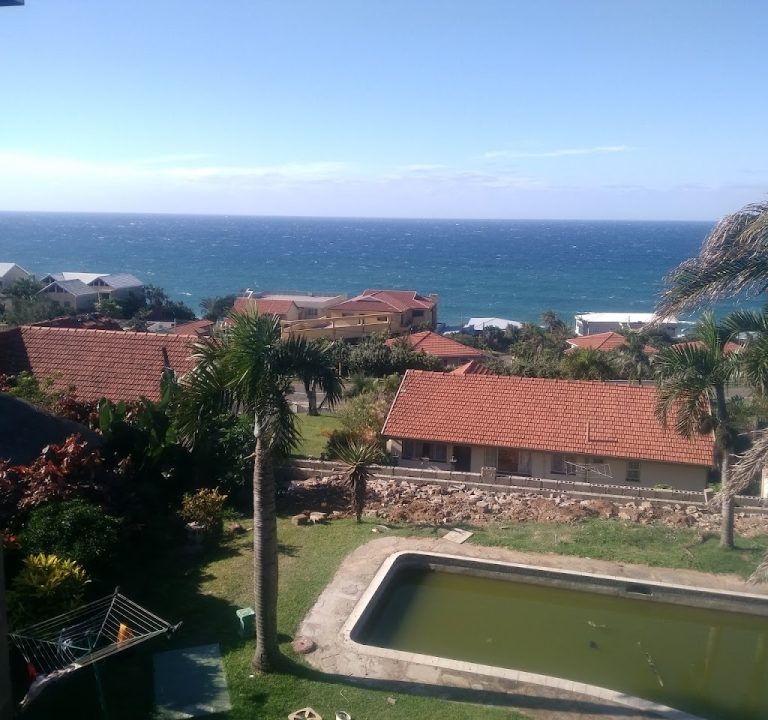
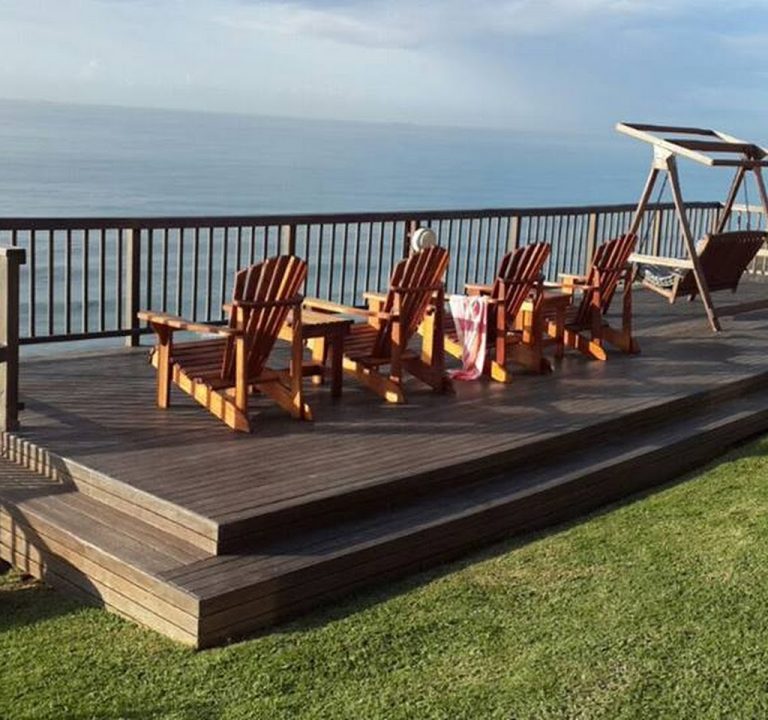
Durban’s attractions blend sun, sea and culture. Beyond time on the sandy shore, visitors can enjoy nature reserves and coastal trails, as well as markets and craft hubs where local products and street food give a taste of the region. For a relaxed city experience, plan a day that includes a beachside walk, a visit to a market or gallery, and a meal at a restaurant that highlights local ingredients. If you are staying near the coast, you’ll likely have opportunities to sample fresh seafood and seasonal dishes in nearby eateries. For those seeking a broader view of KwaZulu-Natal, consider a day trip to rolling hills, wildlife experiences or a coastal drive along scenic routes—each offering a different facet of the province’s landscape.
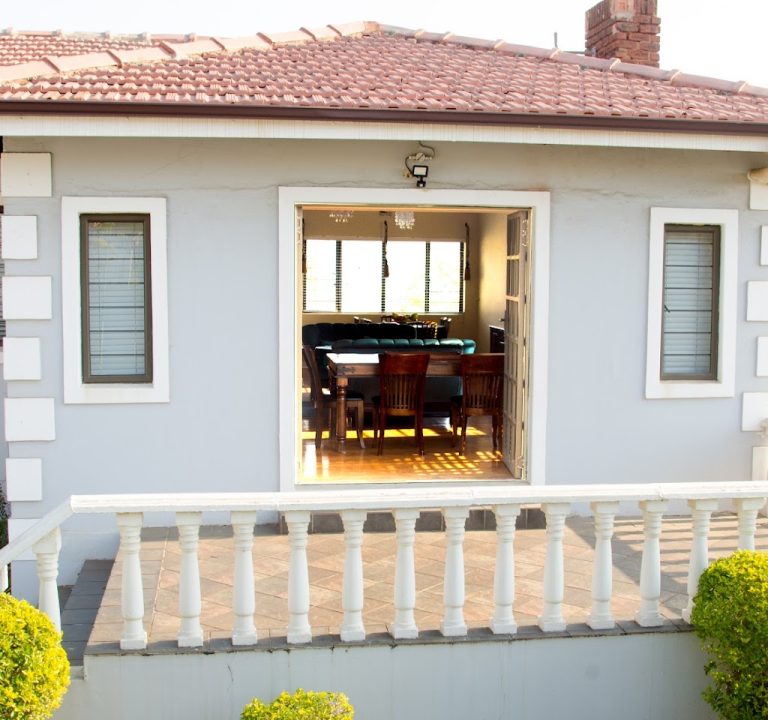
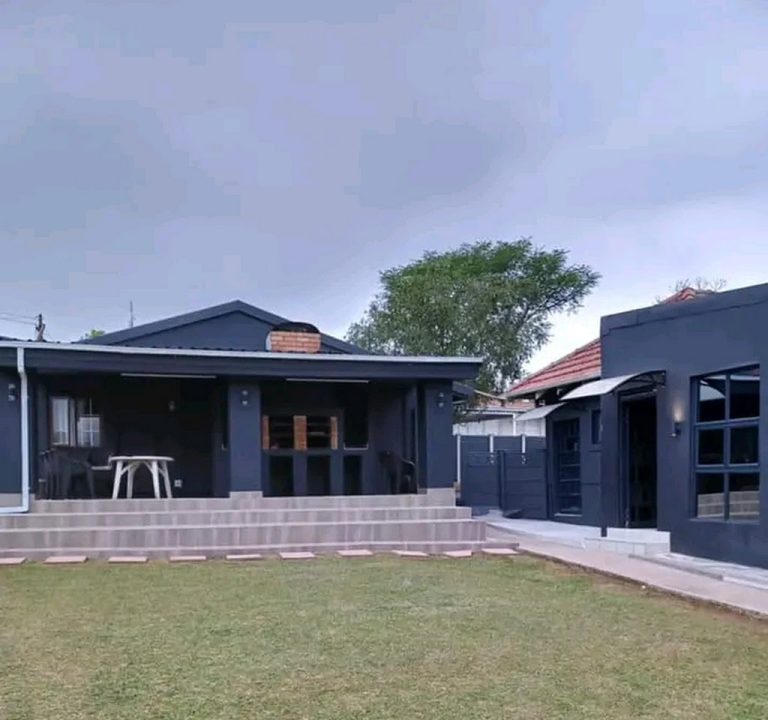
One example of a comfortable self-catering option could be a guesthouse like My Special Home Guesthouse, which emphasises a home-from-home experience with practical facilities for both short breaks and longer stays. You can learn more about such a property via its website, where you’ll find details on the living spaces, kitchen provisions and accessibility for guests planning to explore Durban and its surrounds: http://myspecialhome.co.za/.
Dining and nightlife vary across the city, with many areas offering a range of casual cafés, family-friendly eateries and more contemporary dining experiences. Restaurants in Durban tend to reflect the city’s coastal influences, with dishes inspired by seafood and the broader flavours of KwaZulu-Natal. When planning where to eat, aim to balance quick, affordable options with places that provide a relaxed atmosphere for evenings after a day of sightseeing. It’s worth reserving tables during peak times in warmer months, as popular spots can fill quickly.
Helpful planning tips in brief:
- Choose an area based on access to transport links and how close you want to be to the beach, markets or city sights.
- Check what is included in your accommodation package (kitchen equipment, laundry facilities, parking).
- Look for properties with clear security measures and supportive on-site management.
- Consider the season and expected weather when packing and planning outdoor activities.
- Plan a balanced itinerary that combines beach time, cultural experiences and convenient dining.