Durban: Where to Stay, What to Do and How to Plan a Relaxed City Break
Durban, set on the KwaZulu-Natal coast, offers a vibrant mix of beaches, hillside suburbs, world-class eateries and a warm, welcoming pace that suits short getaways and longer stays alike. When planning where to stay, consider your priorities: beachfront access for easy sea days, easy access to the city’s cultural precincts, or a leafy neighbourhood with quieter streets and comfortable courtyards. Durban is a destination of contrasts, and a well-balanced plan can help you enjoy both the coast and the inland attractions without feeling rushed.
Popular areas and what they offer:
- Durban Beachfront and Golden Mile – Ideal for first-time visitors who want beach walks, easy access to family-friendly activities and a walkable core. Accommodation here tends to be hotelled in mid-range to premium segments, with many venues offering sea-facing rooms and breakfast options.
- Umhlanga and Umhlanga Rocks – A stylish, purpose-built area just north of the city centre, great for modern apartments, mid-range hotels and boutique stays. It’s known for its promenade, safe beaches and a variety of dining choices along the shore.
- Musgrave, Morningside and Glenwood – Excellent for travellers who want a more residential feel, easy access to shops, cafes and transport links. These suburbs are good for longer stays and provide friendly, walkable streets with guesthouses and boutique hotels.
- City Centre and Central Durban – For travellers who value proximity to museums, markets and public transport. Expect a mix of hotels and guesthouses, with some modern conveniences and urban energy, but plan for more urban walking and parking considerations.
- Berea and Point Waterfront – A blend of classic and contemporary stays with hillside and harbour views. It’s convenient for those who want access to both the sea and city attractions, and it often features characterful guesthouses and contemporary hotels.
When booking, look for a few practical features to make your stay smoother. First, check the distance to your planned activities and whether you’ll have a car. Durban’s traffic can be busy, and short journeys by Uber or licensed taxis are common; some areas are well served by rideshare apps, while others are better navigated with your own transport. If you prefer to rely on public transport, confirm proximity to bus routes or the eThekwini Municipality’s shuttles where available.
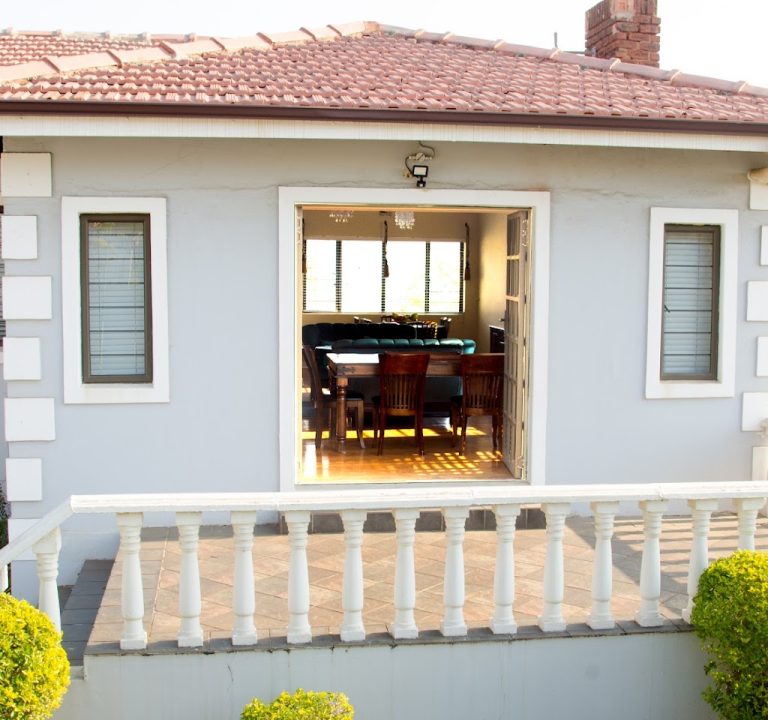
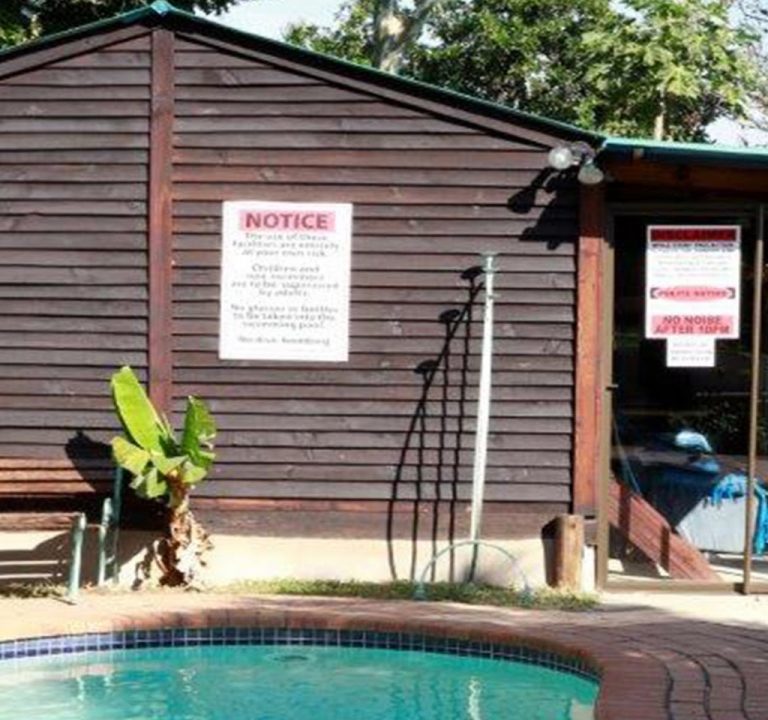
Typical amenities that make a Durban stay comfortable include reliable Wi‑Fi, air conditioning or ceiling fans (the coastal climate can be warm and humid in summer), secure parking, and self-catering options or hotel-style breakfasts. A pool or access to a breezy outdoor area is a popular plus, given the city’s favourable climate for outdoor living. If you’re planning to explore beyond the coast, check whether the property offers organised tours or can arrange day trips to inland attractions such as the Valley of a Thousand Hills or the Midlands Meander route later in your stay.
Practical planning tips for a smooth visit:
- Best time to visit – Durban enjoys warm summers and mild winters. The peak beach season runs from December to February, with lively social scenes and long days. Spring and autumn are excellent for outdoor activities and shorter queues at major sights. The rainy season is typically in summer afternoons, so plan outdoor plans with some weather flexibility.
- Eating out – Durban’s dining scene spans fresh seafood, Indian-inspired curries and coastal comfort foods. Many venues showcase a blend of traditional flavours and modern twists. For a balanced experience, mix waterfront seafood stops with casual neighbourhood eateries in the inner suburbs for a broader sense of local life.
- What to pack – Lightweight summer clothing for daytime; a light jacket for evenings; sun protection and a universal adaptor. If you’re planning to explore inland or do longer drives, arrange a travel umbrella or compact rain gear for unseasonal showers.
- Safety and comfort – As with any city, stay aware of your surroundings, especially after dark in certain streets. Use hotel safes for valuables and keep copies of important documents. Most visitor areas are welcoming and geared towards tourism, with plenty of signage in English and Zulu and strong hospitality services.
- Getting around – Renting a car offers maximum flexibility for day trips, while city stays can be complemented by rideshares and taxis. If you plan to stay in a coastal belt, many properties provide easy access to pedestrian paths and public beaches, reducing the need to drive for short trips.
Attractions and experiences in general terms include long, sandy beaches and sheltered coves for swimming and paddling, promenades that invite a jog or a sunset stroll, and a range of heritage, arts and cultural experiences within and beyond the city. Family-friendly attractions and themed days out offer opportunities for a relaxed pace, with options for guided tours that delve into Durban’s mix of Zulu and Indian influences and its colonial history. For those who enjoy the outdoors, nearby hills and valleys provide scenic drives, viewpoints and nature trails that cater to walkers of all abilities.
Restaurant and tapas-style evenings, markets selling handmade crafts and fresh produce, and calm coffee moments in neighbourhood hubs offer a sense of local life that complements a hotel or guesthouse stay. When booking, consider properties with flexible cancellation policies, clear staff guidance on local transport options, and a responsive front desk that can help tailor your days to weather and your interests. Durban’s warmth—both climate and hospitality—often makes the difference between a good trip and a truly memorable one.
For planning resources and inspiration, you can explore Durban’s official tourism pages and city guides, which provide updated information on weather, events and transport links. These sources can help you align your dates with any seasonal highlights and ensure your itinerary balances beach time with cultural exploration across the KwaZulu-Natal coast.