Durban: Accommodation, Attractions and Practical Planning for Your Stay
Durban in KwaZulu-Natal combines a subtropical coastal ambience with vibrant urban life, making it a popular choice for travellers seeking sunshine, culture and easy access to nature. When planning a stay, start by identifying the area that best suits your interests and pace. The beachfront precincts along the Golden Mile offer sea views, easy strolls, and proximity to family-friendly attractions, while neighbourhoods a short drive inland provide a calmer atmosphere, leafy streets and a broader range of dining and boutique accommodation. Consider staying in a hotel, guesthouse, or a well-located B&B that is within reach of your preferred activities, whether you plan long beach days, trips into the hills, or excursions to nearby towns and nature reserves.
From a booking perspective, look for properties that clearly describe room configurations and accessibility, as well as guest services that matter to you. Descriptions should include the type of bed, en-suite facilities, air conditioning or ceiling fans for Durban’s warm climate, and practical features such as reliable Wi‑Fi, secure parking, and easy access to public transport or ride-hailing options. If you prefer a social or boutique experience, small guesthouses and inns often emphasise personalised service, while larger hotels may offer on-site dining, fitness spaces, or a pool—features worth weighing against your budget and trip style. When booking, check cancellation policies, guest reviews, and whether the property provides guidance on local safety and best routes for getting around.
Durban is known for its warm hospitality, and many accommodation options are chosen for their convenient access to the city’s major sights. For travellers who want to maximise beach time, choosing a property along the Golden Mile or near uShaka Beach means shorter walks to the sand and a cluster of nearby restaurants and stalls. If you prefer a quieter base to explore the surrounding scenery, look for villas, guesthouses or boutique hotels inland or in the leafy residential suburbs where the air is cooler and street life is more subdued after dark. Transport wise, Durban has a mix of options. Uber and other ride-hailing services are widely available, while some areas offer proximate access to local bus routes and the MyCiTi service, which can simplify travel between the beachfront and inland districts. For day trips to hillside towns, inland valleys or nature reserves, having access to a reliable car or a well-planned transfer is a practical consideration.
Best time to visit Durban is shaped by weather and local events. The summer months bring warm sea conditions and longer daylight hours, ideal for beach days and outdoor markets, but can be humid. Spring and autumn offer milder temperatures, making sightseeing and hiking comfortable, while winter remains relatively mild compared with inland regions. If you are visiting during school holidays or major events, you may want to book accommodation well in advance to secure preferred areas and rates. Note that coastal venues can be busier on weekends and public holidays, so planning your restaurant and activity bookings ahead can save time and disappointment.
Where to stay can also influence the kinds of activities you enjoy. A beachfront base gives immediate access to water-based recreation, boardwalk walks, and casual dining along the promenade. A city-centre stay tends to put you within easy reach of shopping, cultural institutions, and a broader range of dining options. Suburban or hillside stays can offer a quieter atmosphere, garden spaces and opportunities for scenic drives into the surrounding KwaZulu-Natal countryside or the nearby Valley of a Thousand Hills, where the landscape showcases rolling green scenery and cultural experiences that reveal the region’s heritage.
When it comes to attractions and experiences, Durban offers a mix of nature, culture and family-friendly entertainment. You can expect options such as expansive beachfront parks and promenades, aquatic and marine life experiences at the harbour front, and opportunities to learn about local Zulu culture and history through informal tours and community-led experiences. For a day out, consider a relaxed coastal walk, a visit to a seaside market or an afternoon at a family-friendly attraction that combines amusement with education. In the evenings, the dining scene ranges from casual seafood shacks to contemporary restaurants offering mixtures of Indian, African and international flavours, often with lively street markets and live music in certain neighbourhoods. As you plan, browse the general aim of enjoying comfortable meals with a view, rather than chasing specific high-profile venues, to keep expectations aligned with the local pace and seasonality.
Practical planning tips for a smooth stay in Durban:
- Book accommodation in advance for peak seasons and holidays, prioritising clear descriptions of room layouts, amenities and access to parking or transit.
- Pack light layers for evenings near the coast, plus sun protection for day trips and outdoor activities.
- Check access to Wi‑Fi if you plan to work or stream during your stay, and confirm whether the property offers breakfast or kitchen facilities.
- Plan your days with a mix of beach time, nature excursions and cultural experiences to avoid fatigue and long transit times.
- Use official tourism resources or reputable guides to identify safe, well-reviewed dining options and to get guidance on local transport best practices.
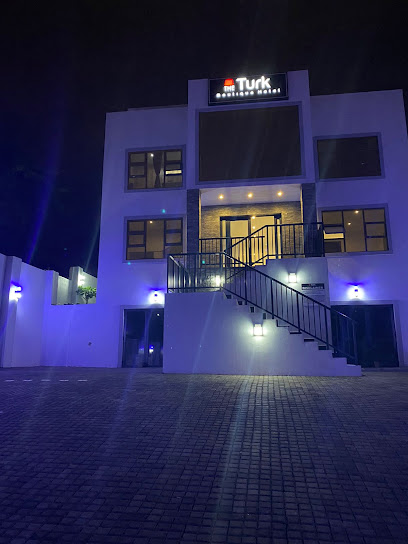
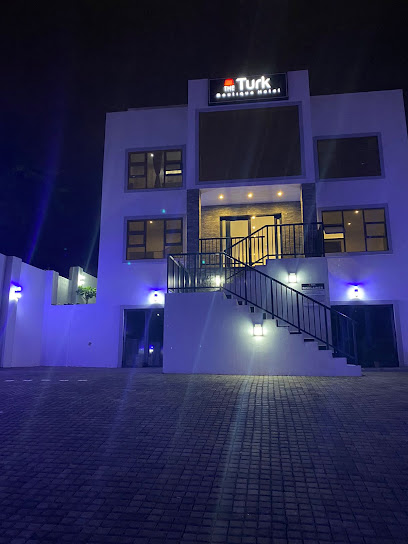
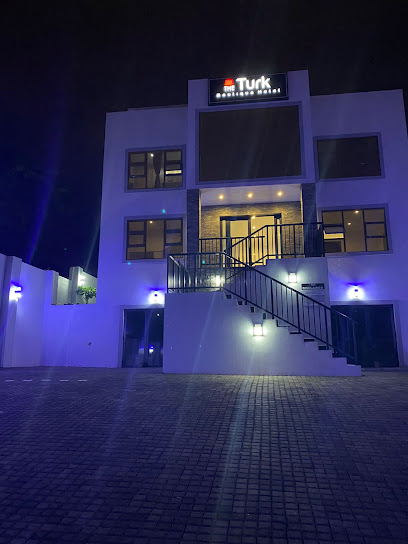
One example of a well-situated option for a stay in Durban is a boutique-style hotel that combines comfortable rooms with a central location. Such a property can provide a practical base for exploring the city, while offering friendly service and a confident sense of place. For more inspiration on Durban’s hospitality and visitor experiences, you can explore the official tourism resources and local travel guides that curate current listings and practical tips for travellers. A sample starting point for planning your stay is to review the property’s website, which may feature photos, area guides, and suggested itineraries to help you map out your Durban adventure.