Durban: Where to stay, what to do and how to plan a memorable visit
Durban, a coastal city in KwaZulu-Natal, blends subtropical climate, rich cultural heritage and a vibrant waterfront with easy access to the valley and inland scenery. When planning a stay, many visitors prioritise comfort, proximity to the beach, easy transit links and access to a mix of urban attractions and nature. Durban offers a broad range of accommodation options, from intimate guesthouses and boutique lodges to family-friendly hotels and well-appointed apartments. One option to consider is Whale Inn, a lodging choice known for its welcoming atmosphere and convenient location. Learn more about such stays on the property’s official site: Whale Inn.
Areas to consider depart from what you want to do and how you prefer to move around. The Golden Mile and beachfront precincts are ideal for those who want immediate sea views, easy evening strolls, and convenient access to dining along the promenade. The Berea districts, including upper Durban and Morningside, attract visitors seeking a calmer neighbourhood feel with colonial-era architecture, coffee shops and convenient access to shops. For families or longer beach breaks, Umhlanga Rocks offers a slightly more resort-like vibe with broader sands, while Glenwood and Michalak Parkside areas appeal to travellers seeking a more residential atmosphere with leafy streets and local eateries. If privacy and a quieter base are important, a lodge or boutique guesthouse on the northern side of the city can provide a restful retreat while still keeping you close to the action.
When booking, consider several practical factors. First, your base should offer straightforward access to the places you wish to explore, whether by car, ride-hailing services, or public transport. Durban’s narrow city streets can be traffic-prone, and parking availability varies by area, so check whether the property offers secure parking or easy street parking nearby. Secondly, examine catering options: some guesthouses and lodges operate with breakfast included, while others offer full board or self-catering facilities. If you plan long days visiting attractions, a room with a private balcony or a small kitchenette can be a real convenience. Thirdly, look at the amenities on site. Typical inclusions you may expect include reliable Wi-Fi, air conditioning or fans for the warm subtropical climate, ensuite bathrooms, quality linen, and comfortable common areas for relaxing after a day of sightseeing. Some properties go further with features such as a pool, curated local information, and help organising tours or transport.
Typical amenities worth seeking include:
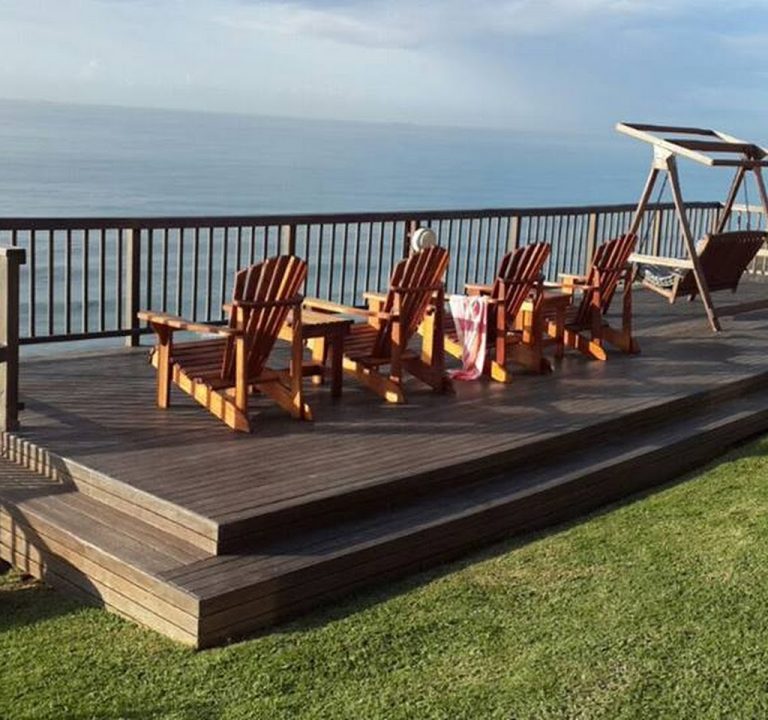
- Private or shared lounge areas and patios for socialising or quiet reading
- Spacious rooms with good storage and comfortable bedding
- Well-equipped kitchens or guest kitchen facilities for self-catering
- Secure parking or easy access to public transport
- On-site pools or outdoor spaces for sunbathing and children’s play
- Helpful staff who can arrange airport transfers, tours, or restaurant reservations
Transport in Durban ranges from car hire and ride-hailing to limited rail options and buses. A car is often the most convenient way to explore beyond the beachfront and city centre, particularly if you plan day trips to the Valley of a Thousand Hills, the surrounding hills and rural villages, or the inland safari gateways. If you prefer not to drive, choose a location close to a major transport hub or with reliable ride-hailing connections, and ask your host or the front desk for current local guidance on travel times and safety tips. When planning for peak travel periods, such as school holidays or summer weekends, it is wise to book well in advance and to confirm any seasonal access restrictions or road works that could affect your route.
The best time to visit Durban blends warm breezes with outdoor-oriented days. The coast enjoys a long summer season from October through April, when sea temperatures rise and the beaches are at their most inviting. Winter, from May to August, remains mild by international standards, making it a pleasant time to explore the city’s museums, markets and nearby attractions without the heat of midsummer. If you are drawn to outdoor activities, aim for shoulder seasons when crowds are thinner and you can combine beach time with hilltop viewpoints, nature reserves, and cultural neighbourhood walks without long queues.
Durban’s attractions and experiences span a broad spectrum. On the coast, you can expect extensive beaches, promenades and parks that suit families, couples and solo travellers alike. Inland, the city acts as a gateway to cultural experiences that reflect Zulu heritage, Indian-influenced cuisine and lush subtropical scenery. For those seeking a day out, sightseeing can include coastal viewpoints, markets offering crafts and street food, and planned tours that explore nearby nature and wildlife areas. Eating out showcases Durban’s multi-ethnic flavour profile, with eateries offering traditional South African dishes, seafood by the harbour, and Indian-inspired coastal favourites. In general terms, plan mornings for outdoor time and afternoons for exploring museums and markets, followed by relaxed evenings along the beachfront or in a local dining precinct.
When selecting a place to stay, read recent guest reviews to gauge consistency in cleanliness, service and the accuracy of written descriptions. Check the host’s suggested activities, local day trips, and practical tips for safe, enjoyable travel. If you are visiting for a special occasion or with family, communicate your needs ahead of time so the property can tailor options, such as arranging early breakfasts, reserving nearby parking, or recommending family-friendly routes and nearby parks. Durban offers a welcoming atmosphere and a diverse range of stays to suit different budgets and preferences, making careful planning a worthwhile part of your travel routine.