Staying in Cape Town: where to stay, what to look for, and how to plan your visit
Cape Town is a city of remarkable contrasts, where ocean waves meetTable Mountain, and historic neighbourhoods mingle with modern eateries. When planning a stay, consider choosing accommodation that places you within easy reach of the activities you most enjoy, whether that is city culture, coastal scenery, or the winelands just beyond the urban fringe. Guesthouses, boutique hotels, and residential-style stays such as Leeuwenvoet House offer a range of atmospheres, from intimate and cosy to stylish and contemporary, making it possible to tailor your trip to your budget and preferences.
Areas to consider include the V&A Waterfront and the central business district for first-time visitors who want easy access to museums, waterfront promenades, and easy-hop transport links. The colourful Bo-Kaap neighbourhood provides a vibrant, culturally rich base with steep streets, pastel houses, and excellent views, while Green Point and De Waterkant offer a slightly more contemporary vibe with proximity to the coast and a wide selection of cafés and bars. For a quieter retreat, the Atlantic Seaboard near Camps Bay or Clifton presents sweeping sea views and easy beach access, though the pace can be more relaxed and prices higher in peak months. For a more residential feel with easy access to suburban travel routes, neighbourhoods such as Bantry Bay or Tamboerskloof can be ideal.
When booking, look for a few practical features to help you enjoy a smoother stay. First, assess transport options: proximity to a reliable MyCiTi bus route, proximity to a train station, or the availability of metered or secure parking if you plan to hire a car. Some guesthouses offer airport transfers or organised tours, which can be convenient for first-time visitors. Second, consider the room layout and privacy: a compact ensuite may suit short breaks, while a stay with a private lounge or terrace can feel more like a home away from home. Finally, check for thoughtful amenities such as secure Wi‑Fi, air conditioning or heating, friendly reception hours, and clear guidance on local dining and travel ideas.
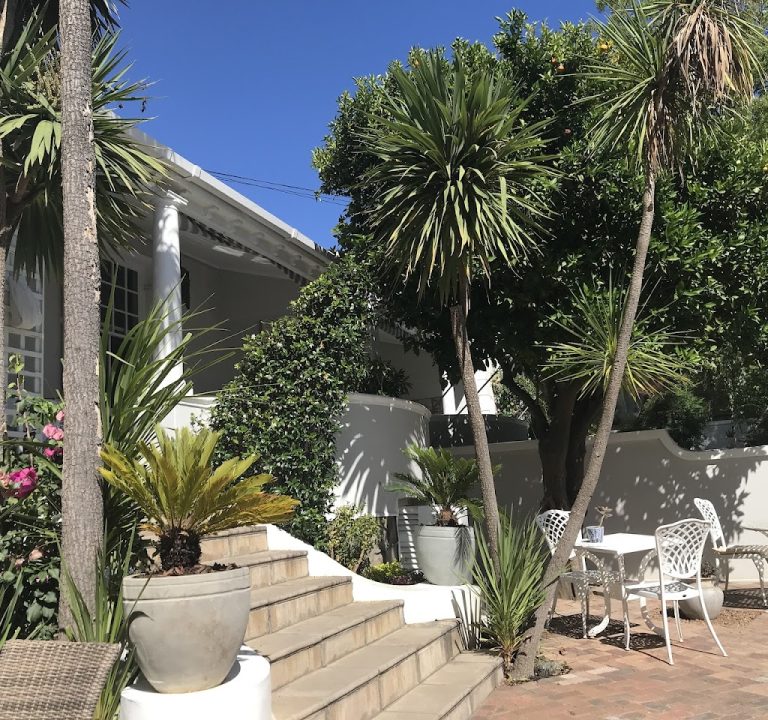
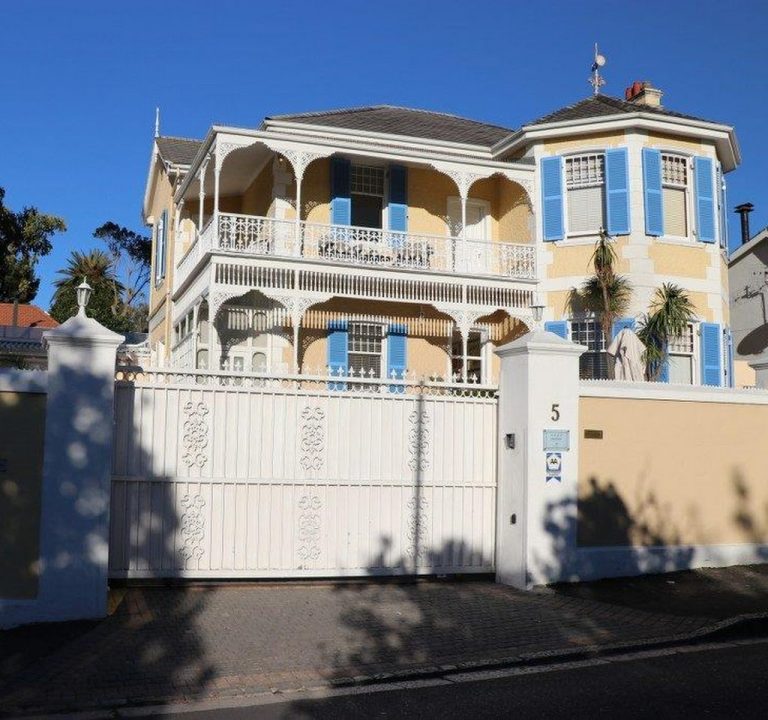
Accommodation types vary, but most travellers in Cape Town prioritise comfort, value for money, and character. A guest house such as Leeuwenvoet House often offers ensuite rooms, a shared dining area, and a garden or courtyard where guests can relax after a day of exploring. Smaller boutique properties may boast unique architectural features, terraces with mountain or sea views, and personal touches that reflect Cape Town’s heritage. If you prefer independence, serviced apartments or self-catering options provide flexibility for families or longer stays, while well-run mid-range hotels can deliver reliable service with convenient locations.
Typical amenities to look for include secure entry or reception, hot and cold water supply with reliable pressure, clean linen and towels changed regularly, and a well-equipped kitchen or dining area if you opt for self-catering. A good guesthouse will also offer breakfast or provide guidance on nearby cafés and markets, which can be a great way to start a day. In addition, note the accessibility of facilities such as ramps or lifts if needed, as some older properties may have stairs rather than elevators. Environmental considerations are increasingly important, so asking about recycling facilities, energy saving measures, and water usage can be worthwhile for longer stays.
Food and dining are an essential part of the Cape Town experience. While most visitors enjoy sampling a mix of casual eateries, bistros, and fine restaurants, you don’t need to hunt far to find great options near most stays. Expect neighbourhood cafés and eateries that offer fresh seafood, vibrant salads, and hearty South African favourites, with several venues focusing on locally sourced ingredients. If you plan to visit the winelands, consider booking a wine-tasting day trip or hiring a driver for a relaxed itinerary that includes scenic views, cellar doors, and a leisurely lunch. Always check restaurant opening times and whether bookings are recommended, particularly during peak seasons.
Best time to visit Cape Town depends on your priorities. The city enjoys mild, pleasant weather most of the year, but conditions vary. Summer (December to February) brings longer days and a lively tourism scene, ideal for beach days and outdoor activities, but expect higher prices and more crowds. Autumn (March to May) offers cooler coastal breezes and manageable crowds, often with great visibility for views from the slopes of Table Mountain. Winter (June to August) is cooler and occasionally rainy, but you can find fewer tourists and excellent value on accommodation. Spring (September to November) delivers a burst of colour from blooming flora and a generally pleasant climate for outdoor pursuits. When planning outdoor activities such as hiking or coastal drives, always carry layers and sun protection, and stay aware of sea conditions and weather warnings.
Practical tips to help you plan a smooth stay:
- Book accommodation with clear cancellation policies and flexible dates where possible, especially if your plans may shift.
- Check reviews for comments on cleanliness, noise levels, and the responsiveness of hosts or property management.
- Request information on local transport options, including taxi services, reliable ride-hailing, and safe walking routes at night.
- Plan a balanced itinerary that includes a mix of nature, culture, and leisure time, leaving room for spontaneous discoveries.
- Carry a lightweight power adapter, as plugs in South Africa are typically type M, with 230V supply.
Beyond staying in a well-situated base, Cape Town’s attractions are a short journey away: iconic viewpoints, beaches, and cultural precincts offer something for every visitor. Pair your days with memorable meals and a mindful approach to travel, and you’ll enjoy a well-rounded Cape Town experience that captures the spirit of the city. For accommodation suggestions and local flavour, consider staying at a guest house with a personalised touch, such as Leeuwenvoet House, to feel at home while exploring one of the world's most striking destinations.