Astay in Cape Town: accommodation hints, neighbourhoods to consider, and must‑do experiences
Cape Town offers a diverse range of stays, from intimate boutique hotels overlooking the Atlantic to contemporary city‑centre apartments and family‑friendly guesthouses dotted along the Atlantic Seaboard. When planning a visit, think about what kind of wake‑up you prefer, how much you value sea views, how easy you want access to the city’s famed markets and museums, and how you plan to get around. It helps to map out a couple of core zones to anchor your trip and then branch out to nearby sights, food, and culture.
One popular approach is to base yourself in the V&A Waterfront and central Green Point or the inner‑city area. These locations offer a compact base with good transport links, many dining options, and proximity to attractions like historic sites and museums. If you prefer a more relaxed pace with easier access to beaches and scenery, consider the Atlantic Seaboard, including camps bay and Clifton, or the subtler charm of the Constantia Valley for wine enthusiasts. For a budget‑friendly yet authentic experience, the neighbourhoods of Woodstock and Observatory provide characterful guesthouses and comfortable self‑catering options within easy reach of the city centre.
When selecting accommodation, look for a few practical elements that can significantly improve your stay. Natural light and quiet rooms often make a big difference after a day of sightseeing. Check for air conditioning or effective cooling during hotter months, reliable Wi‑Fi for work or streaming, and well‑appointed en suites. If you are visiting in peak season, a scalable breakfast service or the option to arrange a light meal can save time and help you start days early for sunrise hikes or early market visits. If a hotel or guesthouse has an on‑site café or bar, this can be convenient on busy days, but ensure the location still offers easy access to quieter evenings or the ability to explore the local dining scene on foot or by short rides.
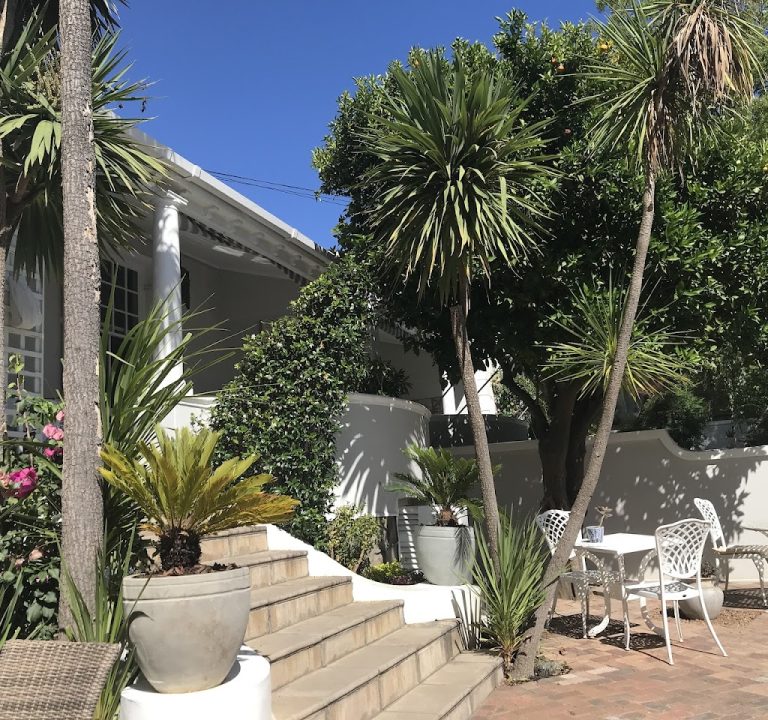
Typical amenities to expect include comfortable bedding, in‑room storage, coffee and tea facilities, and a friendly front desk that can assist with local tips and reservations. Some properties in Cape Town also offer outdoor pools or terraces with sea or mountain views, which are especially appealing in the spring and summer months. For families or longer stays, serviced apartments with kitchen facilities, laundry services, and flexible check‑in options can provide a home‑from‑home feel while keeping you close to the city’s cultural pulse.
Transport is a practical consideration. The city has a network of MyCiTi buses and ride‑hailing options, which are convenient for hopping between major sights and beaches. If you plan to explore further afield—such as the Cape Winelands, the Cape Peninsula, or the Kirstenbosch National Botanical Garden—consider staying with arrangements to hire a car or booking guided day trips. Many hotels and guesthouses can organise airport transfers or recommended transport providers, which can streamline travel after long flights. Walking is enjoyable in the city centre and along the Waterfront, and on many days the best way to experience neighbourhoods is on foot with a map, a good pair of shoes, and a sense of curiosity.
The best time to visit Cape Town depends on what you seek. Late spring (October to December) offers longer days, blooming fynbos, and pleasant temperatures for outdoor activities. Summer (December to February) can be lively, with sunlit ocean views and busy markets, while autumn (March to May) often brings milder weather suitable for city walks and wine tastings. Winter (June to August) is cooler and milder by European standards, with the trade‑off of occasional rainfall; it can be an excellent time to find quieter experiences and value in certain accommodations. Planning around tides for coastal walks or marine activities can also enhance your plans.
In terms of experiences, Cape Town combines natural beauty with a vibrant culinary scene. Away from the iconic landmarks, you’ll find markets promoting organic produce, coffee roasters, and small eateries offering everything from fresh seafood to farm‑to‑table dishes. Dining in the city often emphasises seasonal ingredients and multicultural influences, so try to reserve tables at a few popular spots or explore the neighbourhoods on foot to discover hidden gems. For a broader flavour profile, consider guided tours that cover street food, wine, and local crafts, or join a coastal drive to watch the sunset from view points along the peninsula.
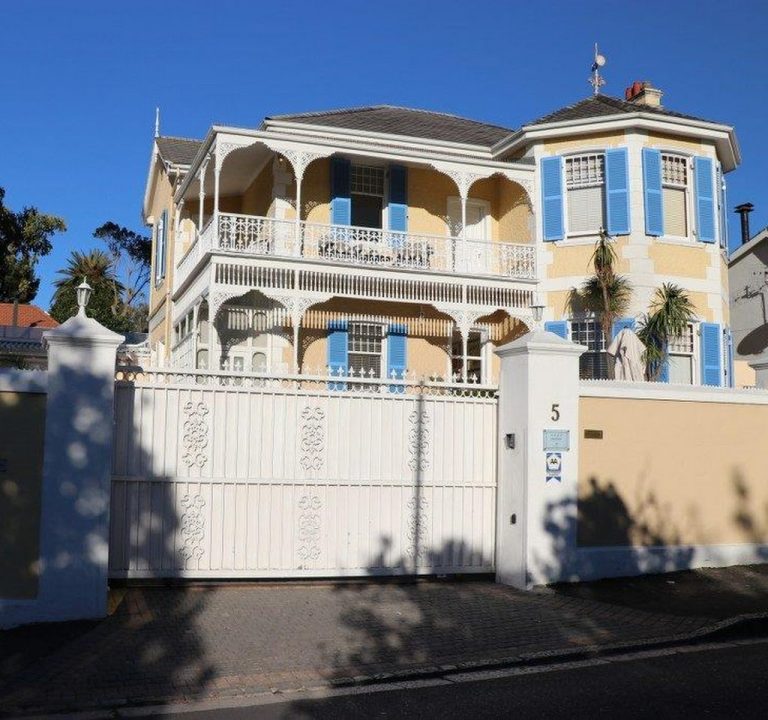
Accommodations such as the Cloud 9 Boutique Hotel & Spa (often highlighted for its scenery and comfortable styling) present a calm base from which to plan day trips and evening explorations. The on‑site spa and thoughtful room design can provide a restorative retreat after long days of sightseeing. If you are curious to learn more about a particular property, you can visit the official site for up‑to‑date information, room types, and booking options: Cloud 9 Boutique Hotel & Spa.
To summarise, a well‑planned stay in Cape Town blends thoughtful accommodation choices with flexible transport options, balanced itineraries, and a willingness to explore beyond the obvious. With careful planning, you can enjoy a comfortable home base, easy access to beaches and mountains, and a sample of the city’s diverse dining and cultural offerings that make visiting the Western Cape so memorable.
- Check room layouts, access to outdoor spaces, and the availability of early breakfast or takeaway options if you plan early excursions.
- Consider a base within easy reach of MyCiTi routes or major arterial roads for quick day trips.
- Plan a mix of mountain, sea, and city experiences to balance outdoor activities with cultural visits.