A Stay in Stellenbosch: Where to Stay, What to Do, and How to Plan Your Visit
Stellenbosch, in the Western Cape, is a welcoming blend of heritage and modern relaxation set against the backdrop of cape-coloured wine estates and rugged mountain scenery. Whether you prefer a cosy guesthouse tucked into a leafy street, a contemporary boutique hotel in the town centre, or a charming lodge on the outskirts, there are plenty of options to suit different rhythms and budgets. For travellers seeking a quiet base with easy access to vineyards, historic streets, and excellent dining, Stellenbosch offers a practical blueprint for a memorable stay.
Accommodation options in Stellenbosch range from intimate B&Bs and family-run guesthouses to more expansive lodges. If you are visiting with friends or family, a self-contained unit or a small resort-style property can offer independence alongside on-site facilities such as pools, gardens, and common lounges. The choice of area can shape your experience: the town centre is ideal for those who want to stroll to shops, cafés, and wine-tasting rooms, while the more tranquil outskirts provide longer views, greater privacy, and direct access to nearby wine estates.
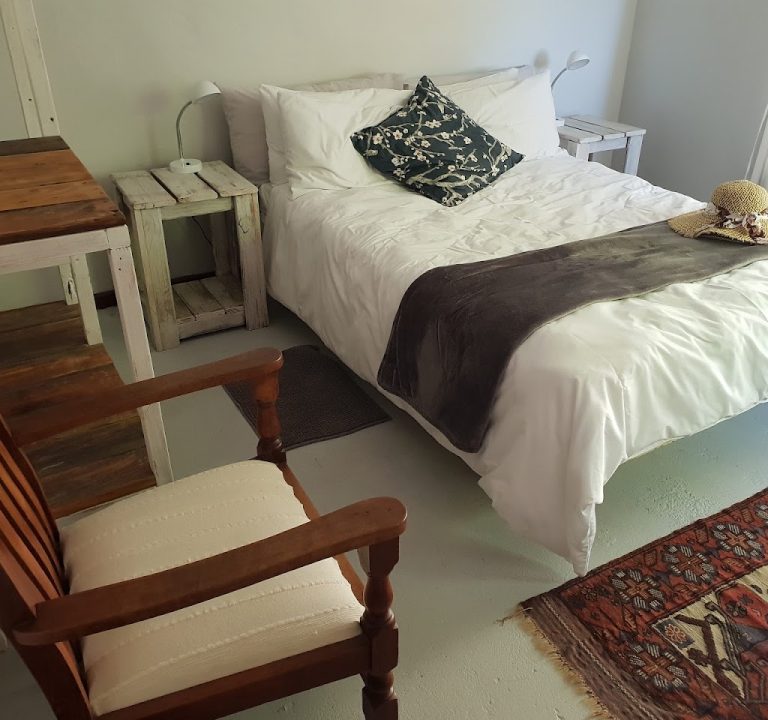
Le Jardin, for example, represents a lodging option that emphasises a restful atmosphere with attention to guest comfort. When booking a stay at a property such as this, consider the following practical points to ensure you select the best match for your plans:
- Proximity to activities: Decide whether you want to walk to local attractions or rely on transport to reach vineyards, museums, and restaurants. The town is compact, but a car or reputable taxi service can expand your options for day trips and late-evening meals.
- Room configuration and privacy: Check whether the accommodation offers en-suite bathrooms, separate living spaces, or pet-friendly rooms if you travel with a companion animal.
- Facilities and access: Note what is included—breakfast options, on-site parking, Wi‑Fi in rooms, and whether the property has a pool, garden seating, or a courtyard for al fresco dining.
- Flexibility and policies: Review cancellation terms, minimum-stay requirements during peak periods, and any rules regarding babies or children, which can vary between guesthouses and lodges.
When planning a stay, think about how you will move around. Stellenbosch is pedestrian-friendly in the town core, yet certain wine estates and nature trails benefit from a short drive or organised tour. Renting a car provides maximum freedom for day trips to nearby Constantia, Franschhoek, and other Cape winelands villages, whereas guided wine tours can simplify transport and enable you to sample a mix of estates without worrying about directions or designated drivers. If you prefer public transport, confirm whether your lodging offers shuttle services or has partnerships with local providers for transfers to popular routes and attractions.
A stay centreing on the culture and landscape of the region can be complemented by time in the surrounding wine routes. The Stellenbosch area combines historic streets, oak-lined avenues, and modern eateries. Many visitors enjoy moderate walking routes that reveal architectural details of classic Cape Dutch and Victorian-era homes, alongside museums that illuminate the country’s colonial and agricultural histories. For those with an appetite for outdoor activities, there are gentle hiking trails in nearby nature reserves and mountaineering routes that offer sweeping views over the valley.
Best time to visit Stellenbosch tends to be spring and autumn, when the weather is mild and there is less of the peak-season rush. In the warmer summer months, long daylight hours make it easy to combine day trips with relaxed evenings in town, sampling local fare and regional wines. Winter visits can be cosy and intimate, with the chance to enjoy wine-tasting rooms indoors, and the landscape takes on a different, more contemplative character.
Booking considerations for a comfortable stay include the following practical tips:
- Look for properties with private entrances or discreet outdoor spaces if you value evenings spent outdoors without sharing communal areas with other guests.
- Choose a lodging with reliable Wi‑Fi and well-heated rooms for cooler evenings, especially in shoulder seasons.
- Check kitchen facilities or breakfast options if you prefer the flexibility of preparing a morning meal or enjoying a relaxed start without leaving the property.
- Consider accessibility needs if you require step-free access, lift facilities, or ground-floor rooms.
Beyond the stay itself, Stellenbosch offers a palette of experiences that can complement your itinerary. In the town, you’ll find markets, art galleries, and eateries that celebrate local produce and seasonal flavours. The surrounding countryside is peppered with vineyards and wine estates that welcome visitors for tastings and tours, often with picturesque settings that are ideal for unwinding after a day of exploration. When planning your meals, you can expect a range of options from casual cafés to fine dining establishments—many of which emphasise fresh, regionally sourced ingredients and wine pairings, framed by views of vineyards or mountains.
For further information on Stellenbosch and planning your visit, you can explore official tourist resources and local tourism boards. These sources offer practical details on routes, seasonal events, and how to tailor your stay to fit your interests. If you are looking to start with a specific lodging, Le Jardin provides a calm base from which to explore the town and its surroundings, with the option to access nearby attractions and experiences through trusted local networks.