Accommodation and Experiences in Stellenbosch: Plan a Memorable Stay in the Western Cape
Stellenbosch is a quintessential South African town famed for its vine-covered valleys, Cape Dutch architecture and a thriving culinary scene. When planning a visit, think beyond a single hotel stay and consider a mix of accommodation styles, from cosy guesthouses to boutique lodges and farm stays that put you close to vineyards, oak-shaded streets and mountain views. The town’s compact centre makes it easy to explore on foot, while nearby wine routes and nature reserves offer more expansive day trips.
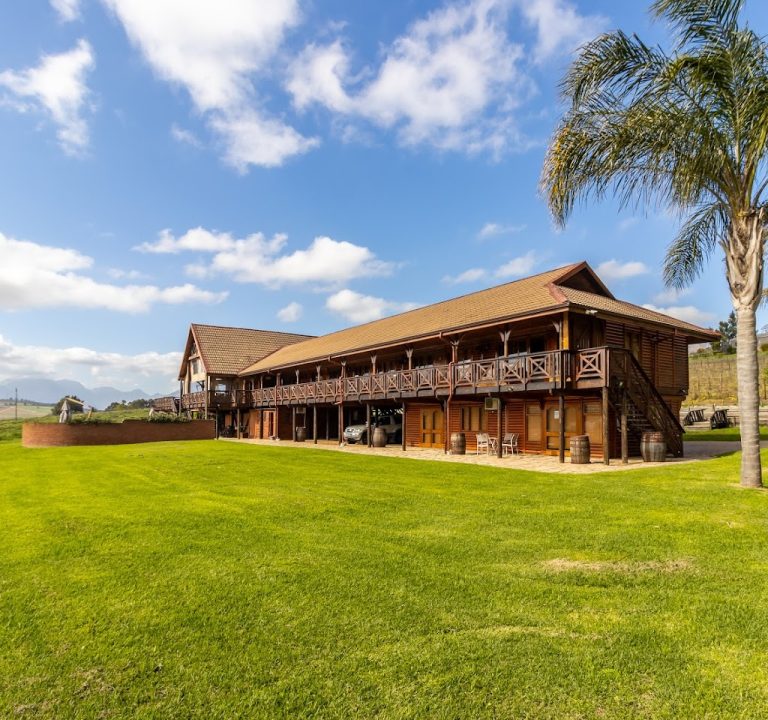
Areas to consider when booking. The historic centre of Stellenbosch is perfect for guests who want immediate access to museums, galleries, cafés and convenient transport links. For a quieter atmosphere with generous surroundings, look at family-run guesthouses or boutique hotels on the outskirts, where gardens and pools provide a refreshing retreat after a day’s exploring. If a wine-focused stay is your aim, consider farm stays or lodges in neighbouring valleys; these typically place you among vineyards and offer rustic charm alongside modern comforts. When selecting an area, think about how you’ll move around: central Stellenbosch is walkable, but many vineyard routes are best reached by car or organised tours.
Typical amenities to look for. A well-rounded stay often includes complimentary breakfast, free Wi‑Fi, secure parking, and air conditioning, which makes a big difference during summer heat. Other valued features are en suite bathrooms, individual room temperature control, and access to outdoor pools, terraces or braai areas. Many establishments curate a personalised experience—some may offer wine-tasting in-house, airport transfers, or guided walks through nearby reserves. If you’re keen to concentrate on food, choose places that offer intimate dining rooms or easy access to renowned cellar restaurants. For families or longer stays, look for larger rooms or suites, kitchen facilities, and laundry services.
Transport and getting around. Stellenbosch’ compact core is walkable, with local taxis and rideshare services facilitating trips to the winelands and surrounding towns. A car provides maximum flexibility, particularly if you plan day trips to nearby Stellenbosch University, historic sites, or scenic viewpoints. If you’re staying on a wine estate, check whether transfers to nearby towns are included or available on request. For those who enjoy cycling, some routes thread through vineyards and along quiet lanes, but always plan for sun exposure and safety on rural roads.
Best time to visit. The region enjoys a temperate climate, with warm summers and mild winters. Spring (August to October) and autumn (March to May) are especially pleasant for vineyard visits, with longer daylight hours and comfortable temperatures for tastings, cellar dining and outdoor activities. Winter can be cooler, but is still appealing for rainy-season greenery and quieter estates. If you’re chasing specific harvest periods or special events, align your trip with vineyard calendars, but be aware that peak weekends can fill quickly, so early booking is advisable.
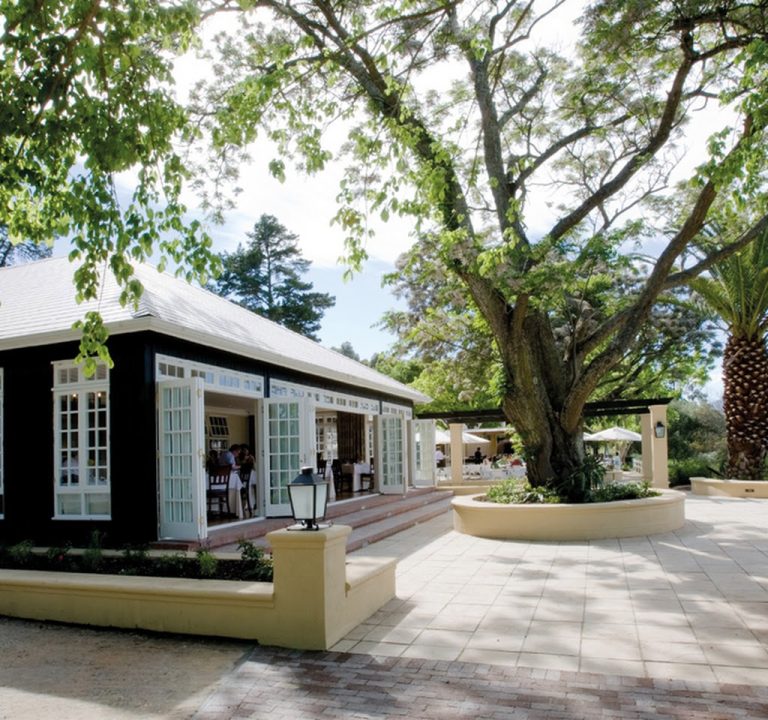
What to plan for a well-rounded stay. Before booking, map out a two- or three-day plan that combines accommodation with local experiences. Consider a winery-focused day or two, followed by town-based activities such as gallery visits, coffee tastings, and a stroll along historic streets. For a longer trip, schedule a day in nearby Stellenbosch Valley or neighbouring towns to broaden your wine route experience and to sample a broader mix of farm-to-table dining options. If you have a particular restaurant in mind, such as Clos Malverne, you can view their website for opening hours and menus to help arrange a suitable dining plan during your stay. For reference, you can learn more at the restaurant’s site: http://www.closmalvernerestaurant.co.za/
Practical tips to make the most of your visit. Always read cancellation policies carefully, especially during peak seasons when room availability is limited. Confirm what’s included in the rate—some properties offer breakfast, while others may provide self-catering facilities or kitchen access. Weather can influence outdoor plans, so pack layers for cooler evenings and sun protection for daytime activities. If you’re touring vineyards, pack comfortable shoes, a hat and water; many cellars welcome visitors for tastings, and a few offer guided tours or educational tastings that can enrich your visit. Safety is a shared responsibility; keep valuables secure and use reputable transport options for any late-evening returns. Finally, leave time to simply stroll the town: the atmosphere of Stellenbosch’s streets, with coffee shops, bookstores and verandas, is a key part of the experience and often as memorable as your planned tours.
- Research accommodation types: guesthouses, boutique hotels, lodge and farm stays
- Check for amenities: breakfast, parking, Wi‑Fi, pool, kitchen facilities
- Plan transport: car hire vs. rideshare vs. guided tours
- Align visits with the wine routes and local dining options
- Book ahead for peak periods and confirm cancellation policies
With its blend of historic charm, scenic vineyards and friendly hospitality, Stellenbosch makes for a versatile base to enjoy the Western Cape. Whether you prefer a cosy bed-and-breakfast close to the town’s streets or a tranquil farm stay overlooking rolling vineyards, planning a thoughtful itinerary will ensure you savour the best that this region has to offer.