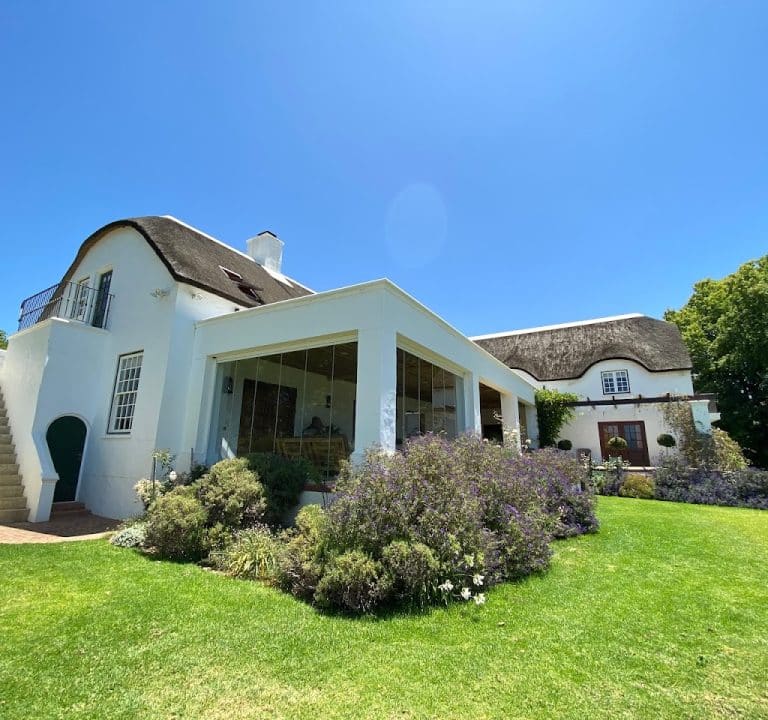
Stellenbosch: Accommodation, attractions and planning your stay in the Western Cape
Stellenbosch sits in the heart of South Africa’s Western Cape, renowned for its university town charm, historic architecture, and world-class wine estates. Whether you are seeking a cosy guesthouse, a stylish boutique hotel, or a self-catering cottage, the town offers a range of options that suit different itineraries and budgets. Planning a stay in Stellenbosch is as much about choosing the right area as it is about selecting the right type of lodging, so consider how you want to move around and what you wish to experience each day.
Areas to consider when booking a place to stay depend on what you value most. The town centre is ideal if you want walkability to historic streets, Cape Dutch buildings, museums, and a lively dining scene. For a more tranquil setting, look for guesthouses or boutique hotels on the surrounding hills or near the vineyards, where you can enjoy sweeping views, quiet courtyards and a slower pace. Families and larger groups often favour self-contained cottages on estate grounds or in quiet suburbs with easy access to the R44 and main roads. If you plan day trips further afield to the coast or to surrounding towns, a centrally located base with good transport links can simplify logistics.
When selecting accommodation, think about the essentials that will shape your stay. Start with safety and accessibility: well-lit entrances, clear signage, and reliable reception or guest services can make a big difference after a day of exploring. Next, consider parking arrangements or proximity to public transport if you’re not driving. A reputable place with friendly staff who can guide you to local eateries, markets, and wine-tasting routes is valuable. Look for comfortable spaces with thoughtful details—air conditioning or adequate heating, reliable Wi‑Fi, sufficient storage, and well-equipped kitchens or tea/coffee facilities if you’re opting for self-catering. Pet-friendly options exist, but always verify policies in advance if you’re travelling with a four-legged companion.
Typical amenities to expect include private en-suite bathrooms, daily housekeeping or regular linen changes, and on-site dining or breakfast service. Some establishments offer additional perks such as outdoor pools, landscaped gardens, or terraces with views. It’s also common to find properties that provide curated local itineraries, such as wine-tasting recommendations, routes for scenic drives, or suggestions for art galleries and heritage sites. If you want a personal touch, small guesthouses often boast hosts who can share insider tips about seasonal events and lesser-known spots off the well-trodden path.
Transport in Stellenbosch is straightforward. The town is compact enough for easy walking within the centre, but most visitors use a car to reach the surrounding wine estates, the nearby university campus, and the top natural highlights. If you prefer not to drive, check whether your accommodation offers shuttle services or can arrange reliable partner transport. For day trips, a guided tour or independent driving to nearby towns in the Cape Winelands region provides flexibility while allowing you to pace your itinerary. Should you wish to explore on two wheels, some properties and local operators offer bicycle-friendly routes, with safe storage for your gear.
The best times to visit Stellenbosch depend on what you want from your trip. The South African summer (December to February) brings warm weather ideal for vineyard visits and outdoor dining, but can be busier with higher occupancy levels. Autumn (March to May) delivers mild temperatures, golden light, and quieter streets, which is excellent for wine-tasting at estates and strolling through historic streets. Winter (June to August) is cooler and greener, a good season for enjoying fireside lounges and indoor attractions. Spring (September to November) offers blossoming gardens and fresh air. Bear in mind that some attractions and estates operate seasonal hours, so it’s wise to check in advance and plan a flexible schedule around peak times and closures.
When planning activities, consider a balanced mix of wine experiences, culture, and nature. Vineyards and wine estates are a central feature of the area, often presenting tastings, cellar tours, and art-filled settings. Cultural highlights include museums and galleries that illuminate the region’s history, architecture and education. Outdoor lovers can explore nature reserves, scenic walking or hiking routes, and river or mountain viewpoints. For dining, Stellenbosch’s restaurant scene ranges from casual bistros to refined eateries, with menus that frequently feature local ingredients and hillside produce. While exact restaurants and prices vary, most venues focus on quality, seasonal dishes and warm hospitality. If you’re on a stricter budget, look for guesthouses that offer communal kitchens and simple meals, or dine at local markets, which commonly showcase fresh produce and regional flavours.
Practical tips to help you have a smooth stay: book well in advance if you’re visiting during peak season or university events, and read recent guest reviews to gauge service consistency. Communicate any accessibility needs or timing constraints before you arrive. Pack adaptable clothing for varying weather and some layers for cool evenings, especially in the shoulder seasons. Bring a reusable water bottle, as tap water is safe to drink in Stellenbosch; many attractions and cafés also offer refill options. Finally, keep a flexible mindset: a relaxed pace, a willingness to explore quieter back streets, and a few recommended routes can lead you to memorable discoveries beyond the well-trodden paths.
- Consider staying close to the town centre for walkability and easy access to shops, cafes and museums.
- Choose vineyard or hillside properties for serene surroundings and panoramic views.
- Check transport options with your accommodation, including parking or shuttle services.
- Plan a balanced itinerary with wine estates, cultural sites, and natural scenery.