Staying in Cape Town: where to stay, what to expect, and how to get the most from your visit
Cape Town, nestled between the ocean and the mountains, offers a diverse range of places to stay that can suit every traveller’s style and budget. From chic city-centre apartments to purpose-built guesthouses and self-catering retreats, the best way to plan your stay is to think about what you want to experience each day, and where you want to base yourself for convenience and atmosphere. A good example within the self-catering sector is Le Gaulois Luxury Flats, which highlights how contemporary comforts can be combined with easy access to key neighbourhoods and attractions.
Areas to consider when choosing accommodation
- City bowl and the central business district: Perfect for first-time visitors who want to be within easy reach of museums, galleries, restaurants, and the vibrant urban energy. Proximity to MyCiTi bus routes and Uber/Lyft services helps you move quickly to other parts of the city.
- Green Point and Waterfront: An excellent choice for travellers seeking a maritime atmosphere, harbour views, and convenient access to coastal walks, promenade trails, and family-friendly attractions.
- Constantia and the Constantia Valley: Ideal for those who want a quieter base with a wine-and-seclusion feel, close to numerous wine estates and mountain scenery, and a short drive to Constantia’s dining options.
- Sea Point and Bantry Bay: A good balance of seaside strolls, cafés, and hillside vistas, with easy links to the Atlantic Seaboard’s beaches and trendy stores.
- Chapman’s Peak and the Atlantic Seaboard: For travellers chasing breathtaking coastal views and a longer scenic drive, with lodgings that often come with striking panoramas.
What to look for when booking
- Room type and layout: If travelling as a family or group, look for multi-bedroom options or flexible living spaces. For solo travellers, a well-equipped studio or apartment with a kitchenette can be very convenient.
- Amenities: A reliable Wi-Fi connection, secure on-site parking, laundry facilities, and kitchen essentials are particularly important for self-catering stays. Air conditioning or heating, especially during the summer heat and winter damp, can also be a deciding factor.
- Security and access: Check for secure entry systems, friendly on-site staff, and well-lit communal areas. A clear cancellation policy is helpful for changes in travel plans.
- Transport access: Proximity to main routes, bus stops, and ride-hailing options can save time, particularly if you plan day trips or want to reach the Cape Town International Airport efficiently.
- Local character: Some properties offer design-inspired interiors or colonial-era charm; others emphasise modern practicality. Consider what kind of ambience will enhance your stay.
Typical amenities you might expect
- Fully equipped kitchens or kitchenettes with cooking staples and dining ware, allowing for self-catering meals.
- Comfortable living spaces with seating, entertainment options, and adequate storage.
- Clean linen and regular housekeeping, with some properties offering mid-stay refreshes.
- Washer-dryer facilities or access to laundry services nearby, especially useful for longer stays.
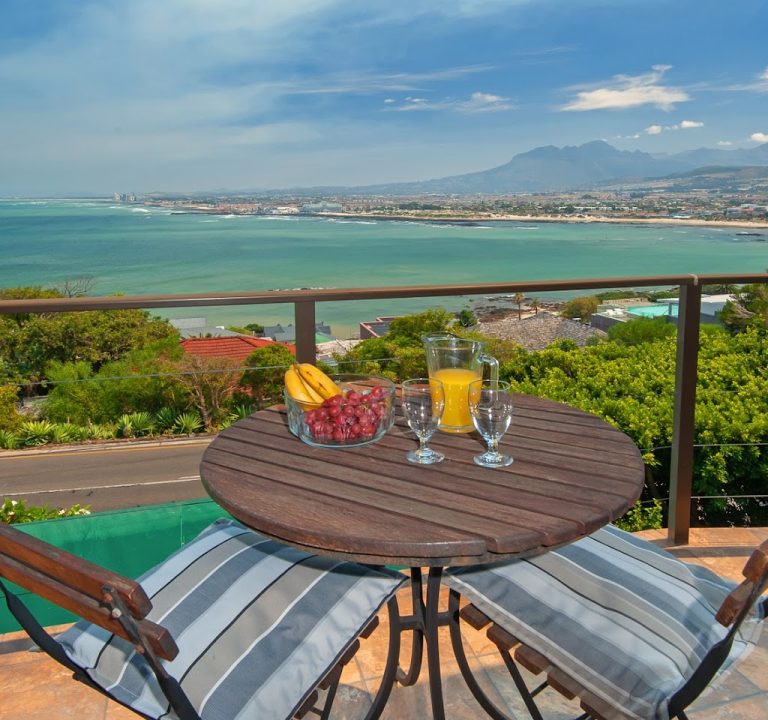
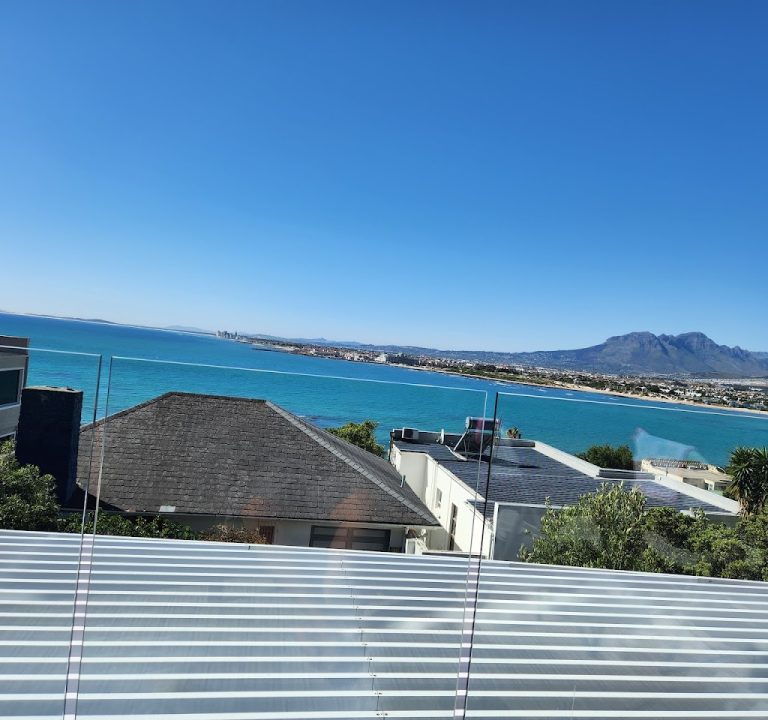
- Outdoor spaces such as balconies, terraces, or small gardens that offer fresh air and views.
Planning practicalities and transport
Getting around Cape Town efficiently often means combining walking, public transport, and ride-hailing. The MyCiTi bus network covers many popular routes, including links to the city centre, the V&A Waterfront, and some coastal areas. For coastal scenery and year-round outdoor activities, having a vehicle or access to organised tours can be advantageous, particularly for trips to the Cape Winelands, Constantia, or nature reserves beyond the city bowl. If you prefer car-free days, choose a base near major activity hubs to limit transit time.
Best time to visit and what to pack
Cape Town experiences a Mediterranean climate with dry summers and wet winters. Peak tourist months run from December to February, when days are long and lively, but popular spots can be busy. Spring (September to November) and autumn (March to May) offer milder weather and fewer crowds, making them excellent alternatives for sightseeing and dining experiences. Winter (June to August) brings cooler temperatures and occasional rain, but the city’s vibrant indoor culture—restaurants, markets, museums, and cafés—remains inviting. Pack layered clothing, a travel adaptor for South Africa, good walking shoes, and a light rain jacket for unexpected showers.
Attractions and experiences to plan around
In general terms, Cape Town offers a blend of natural beauty and cultural discovery. Iconic settings such as Table Mountain, coastal paths, and nearby nature reserves provide scenic day trips and memorable viewpoints. The city’s museums, galleries, markets, and historic districts offer insights into its diverse heritage. For dining, you’ll find a range of establishments—from casual eateries offering local flavours to stylish venues emphasising seasonal ingredients and coastal cuisine. When researching restaurants, look for places with seasonal menus and strong reviews for service and atmosphere, rather than chasing specific names or awards. In addition, guided experiences such as wine tastings in the nearby Winelands, harbour cruises, and neighbourhood walking tours can enrich your stay with local knowledge and safe, well-paced itineraries.
Practical tips for a comfortable stay
- Book accommodation with flexible cancellation policies where possible, especially in peak seasons or when your travel plans may shift.
- Confirm check-in arrangements in advance, and understand where keys or access codes are collected from and returned to.
- Ask hosts or property managers about suggested local etiquette, safety tips, and the best times to visit popular spots to avoid crowds.
- Consider layering your daily plans to account for weather or changes in opening times, particularly for outdoor activities.
- Keep a small emergency daypack with water, a light layer, sunscreen, and a hat when heading to outdoor attractions or the beaches.
Whether you choose a contemporary self-catering base like Le Gaulois Luxury Flats or a cosy guesthouse in a buzzy neighbourhood, Cape Town rewards guests who balance vibrant city life with moments of calm, natural beauty, and culinary discovery. With thoughtful planning around areas, amenities, transport, and timing, you can craft a memorable stay that feels both relaxing and inspiring. For more ideas on Cape Town’s official attractions and visitor information, explore the city’s tourism resources at reputable sites online.