Accommodation in Cape Town: where to stay and how to plan your visit
Cape Town offers a rich mix of stays, from intimate guest houses and stylish boutique hotel rooms to self‑catering apartments with sea views. When planning a visit, consider both your preferred atmosphere and the practicalities of getting around this sprawling city. Areas such as the Atlantic Seaboard, the City Bowl, the southern peninsula, and the nearby winelands each offer a distinct flavour, so your choice can frame your entire itinerary.
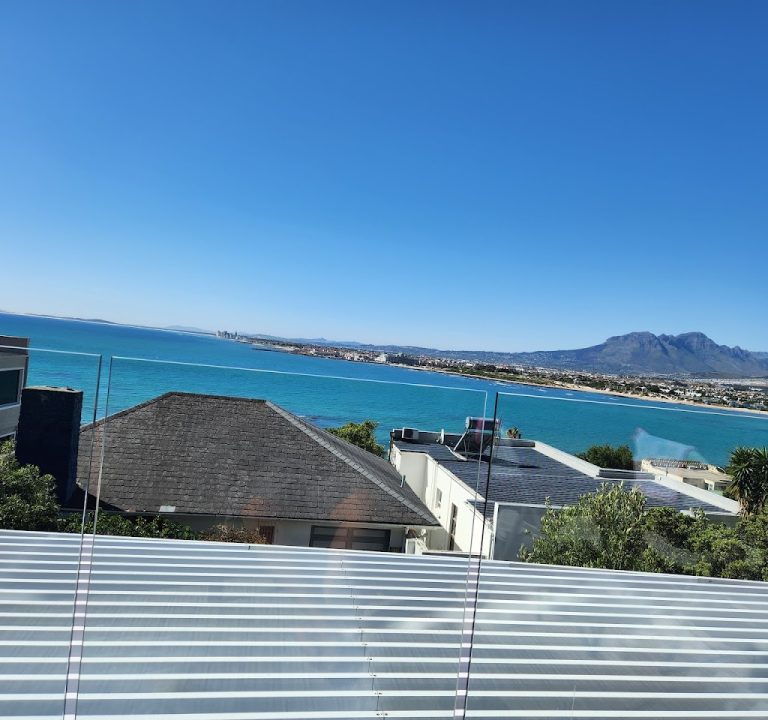
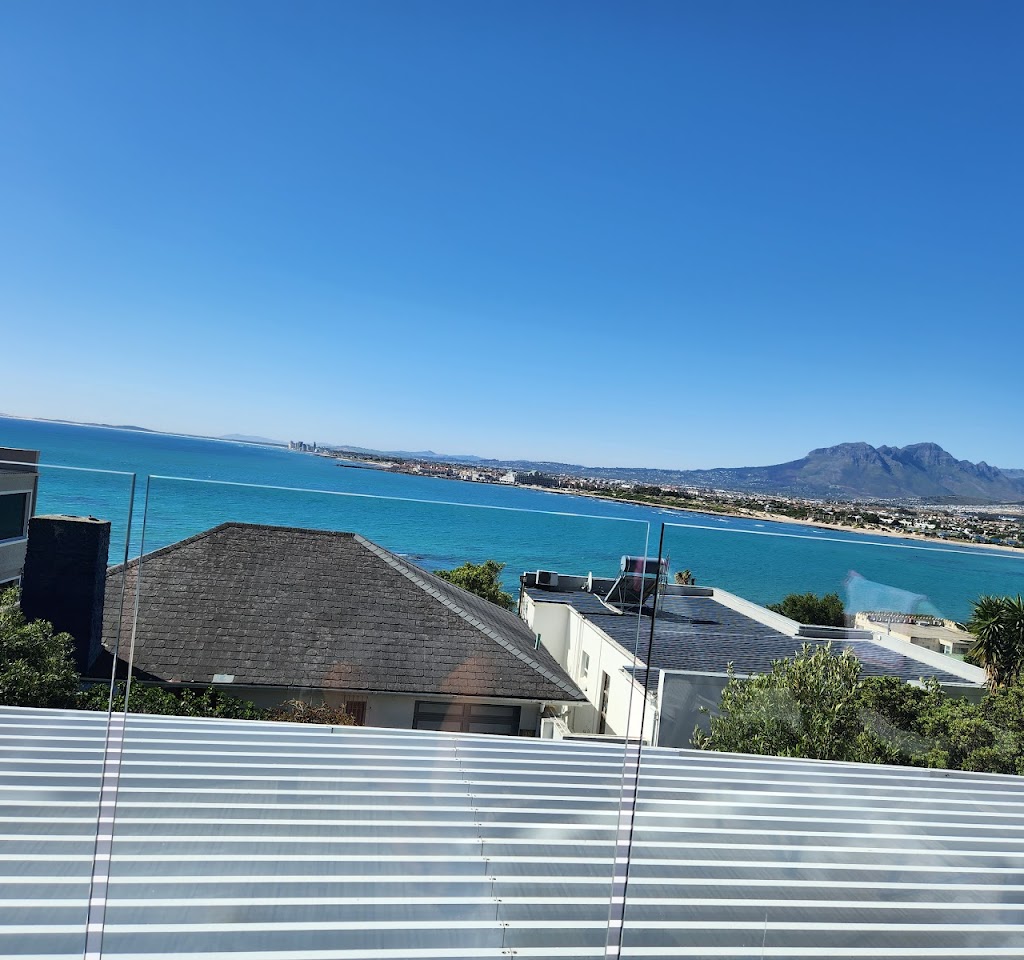
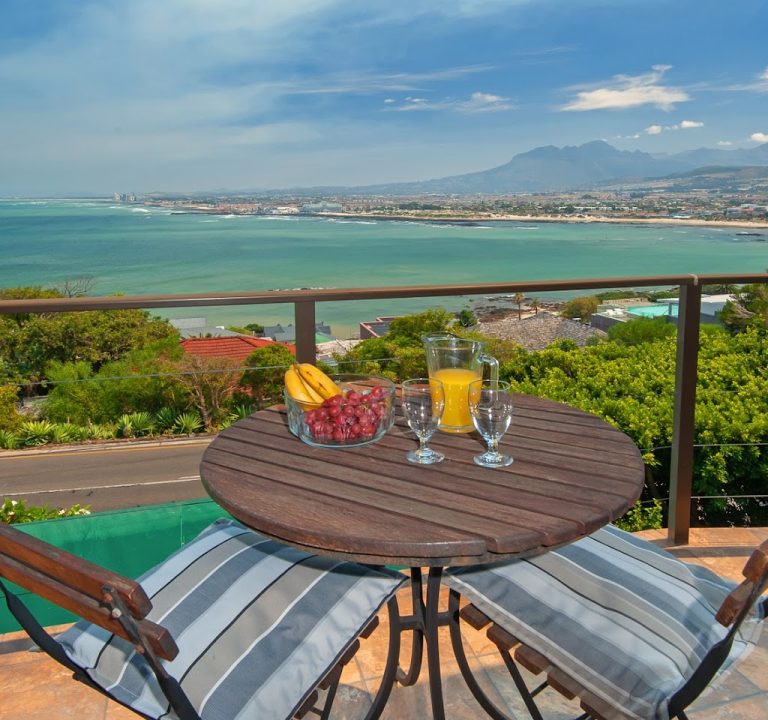
One appealing option for travellers who want a home‑from‑home experience is a guest house or self‑catering apartment. For example, Gordon’s Shore Luxury Apartments represents a guest house style stay that tends to combine privacy with a concierge touch, often located within easy reach of beaches, restaurants, and major sights. Booking pages for such properties typically feature flexible layouts, kitchen facilities, and secure parking where available, along with on‑site hosts who can share local tips. See the property’s official booking page for current details and availability.
Key areas to consider include:
- Atlantic Seaboard (incl. Sea Point, Bantry Bay, Camps Bay) – popular for sea views, coastal walks, and easy access to beaches and sunset scenery.
- City Bowl (including the central city and Gardens) – convenient for museums, markets, urban dining, and nightlife, with walkable routes to major sights.
- Green Point and the V&A Waterfront – gateways to harbour cruises, waterfront promenades, and family‑friendly activities.
- Southern Suburbs and Constantia – a quieter base for day trips to winelands and nature reserves, with leafy streets and boutique dining.
When choosing accommodation, look for a few practical amenities that can make a big difference. A well‑equipped kitchen or kitchenette helps save time and money if you plan to self‑cater, while private or easy access to outdoor spaces is a boon for families or travellers who enjoy al‑fresco meals. Reliable wireless internet, ample wardrobe space, and secure parking are practical touches for longer stays. If you’ll be out exploring by early morning, a property with good security and clear entry instructions is worth prioritising.
Transport considerations are also important. Cape Town’s public transport includes a city bus network and rail links, but many travellers prefer a hire car or rideshare apps for convenience, especially when visiting attractions outside the immediate urban core. If you rely on taxis or rideshares, check with your host about typical travel times to popular sights, and whether the property offers recommended routes or shuttle options. For city strolls and short trips, a location near major bus routes or within a walkable distance to the waterfront can reduce the need for daily car use.
Best time to visit Cape Town varies with what you want from the trip. The shoulder seasons (spring and autumn) tend to bring milder weather and fewer crowds, which can be ideal for museum visits, hiking on Table Mountain (weather permitting), and enjoying maritime scenery without peak‑season bustle. Summer brings long days, beach culture, and vibrant markets, while winter offers cooler, wetter weather that can be perfect for wine tasting in nearby districts. Pack layered clothing to adapt to changing conditions, especially if you plan to ascend Table Mountain or take a windy stroll along the coast.
Practical planning tips for a smooth stay:
- Book ahead for popular periods but consider flexible rates when plans might change.
- Read recent guest reviews to gauge current conditions, helpful hosts, and the accuracy of property descriptions.
- Ask hosts about proximity to reliable grocery stores, pharmacies, and convenient dining options.
- Check whether the property is walkable to your intended sights or if a car is advisable.
- Consider safety and accessibility needs in relation to your travel companions.
When it comes to attractions, Cape Town offers natural beauty, fascinating history, and a range of culinary experiences. Iconic sights often include mountain views, harbour activities, and coastal trails, while dining options span markets, seafood shacks near the shore, and modern restaurants in stylish precincts. For partnerships and inspiration, many visitors enjoy enjoying a relaxed day by the waterfront followed by a stroll through nearby markets or museums. Throughout the city, simple, well‑located stays give you a solid base from which to explore and return to after days out exploring the region.
For those seeking a tangible starting point, consider browsing accommodation options that combine comfort with convenient access to major sights and dining districts. Examples like Gordon’s Shore Luxury Apartments illustrate how a guest house style property can offer a comfortable base with personal touches, kitchen facilities, and proximity to both beaches and cultural hubs. To view current availability and specifics for such properties, you can visit the property’s booking page or the listing site linked from the official accommodation page.
Finally, remember that Cape Town is a city that rewards planning but also improvisation. A well‑chosen base, a flexible itinerary, and a willingness to adapt to weather and local recommendations will help you enjoy the best of what the city and its surrounds have to offer. Link out to trusted booking platforms for up‑to‑date availability and rates, and you’ll be well placed to craft a memorable stay in this diverse and vibrant part of the Western Cape.