Cape Town: Accommodation, attractions and practical planning tips
Cape Town offers a diverse range of places to stay, from stylish boutique guest houses to family‑friendly lodges and contemporary apartments. When planning a visit, think in terms of neighbourhoods rather than just rooms. The city is spread across a dramatic peninsula, with each area offering a distinct character, scenery and access to different attractions. A well‑considered choice of base can cut travel time, reduce costs and help you make the most of time in this spectacular corner of the Western Cape.
Areas to consider include the City Bowl for easy access to central sights, dining and nightlife; the Atlantic Seaboard for beaches and views; and Constantia or the southern suburbs for slower pace, wine estates and leafy streets. Camps Bay and Clifton are popular for dramatic coastline and stylish guest houses, while Green Point and Mouille Point provide a mix of modern apartments, promenades and convenience near the V&A Waterfront. For a quieter, green escape, Constantia Valley offers vineyards, mountain scenery and leafy guest houses that feel far from the bustle while remaining within reach of the city’s sights.
In terms of accommodation, look for places that align with your priorities. If you want sea views and easy beach access, a property near the Atlantic Seaboard or surrounding neighbourhoods is ideal. If you prefer a walkable city vibe with cafés, markets and museums nearby, a guest house in the City Bowl can be very convenient. Properties named as guest houses or B&Bs in Cape Town often feature personalised touches, with hosts available to offer local tips and customised itineraries. For families or groups, consider self‑catering options or boutique apartments with communal spaces and off‑street parking.
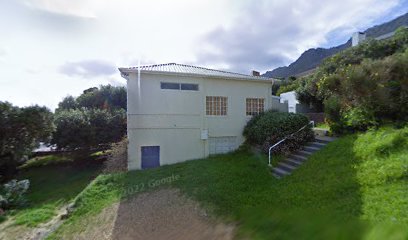
Typical amenities to expect include comfortable beds with quality linens, en‑suite bathrooms, good Wi‑Fi, and a functional workspace if you need to combine some work with your trip. Other features that enhance a stay are in‑room coffee/tea facilities, secure parking, a well‑equipped kitchen or kitchenette, and thoughtful extras such as a swimming pool, garden or outdoor seating. When staying at guest houses like Le Coco Beach Guest House or similar properties, you may also encounter generous breakfast offerings, access to shared lounges, and staff who can assist with local planning and restaurant reservations.
Booking considerations are worth outlining before you commit. First, check distance to your preferred sights and the reliability of transport options. In Cape Town, many visitors move by a mix of Uber/taxi services, rideshare apps, and limited public transport. The MyCiTi bus network covers major routes, but some routes are more convenient than others depending on your base. If you plan day trips to the Cape Peninsula, Cape Point, or wine regions, you might want to hire a car or arrange a private driver for the day. Parking availability and safety are practical factors for car travellers. Stay in a well‑reviewed property in a safe neighbourhood, especially if you plan to explore late evenings or night-time strolls along the Waterfront or along the beaches.
The best time to visit Cape Town balances weather, crowds and costs. Spring (September to November) and autumn (March to May) offer mild conditions, pleasant light, and fewer crowds than the peak of summer. Summer (December to February) brings long days, lively outdoor scenes and a festive atmosphere, but can also be windy in the afternoon and busier near beaches. Winter (June to August) is cooler and wetter, yet many indoor attractions, galleries and restaurants remain appealing. Pack layers, sun protection for daytime outings, and a good waterproof layer for sudden rain showers, especially if you plan to spend time outdoors in the mountains or along the coast.
To make the most of your stay, plan a balanced itinerary. Allocate time for Table Mountain and the cableway, the historic Robben Island experience, and a day at the Kirstenbosch National Botanical Garden. Coastal adventures can include a scenic drive along the Atlantic Seaboard, a stroll in Green Point Park, and a visit to the V&A Waterfront for casual dining and museum spaces. For families and food lovers, neighbourhoods such as Bo-Kaap offer colourful streets and culture, while Constantia and nearby wine estates provide relaxed tastings and garden settings. Expect a mix of casual eateries, bistros and fine‑dining options throughout the city; many establishments pride themselves on seasonal menus and ingredients sourced from regional producers.
Practical tips for a smoother stay:
- Research the neighbourhoods you want to spend time in and map out convenient routes to your must‑see sights.
- Read recent guest reviews focusing on cleanliness, Wi‑Fi reliability, and hostess or staff helpfulness.
- Check transport options and consider a mix of rideshare and public transit to avoid parking hassles in busy areas.
- Confirm breakfast arrangements and kitchen facilities if you prefer self‑catering some mornings.
- When visiting mountain or coastal paths, wear sturdy footwear and carry a light layer or sunscreen as conditions can change quickly.
- Respect local safety guidelines and valuables; Cape Town is generally welcoming to travellers, but sensible precautions are wise, particularly in busy urban spaces after dark.
- Book ahead for popular periods and experiences, especially if you have specific room types or bed configurations in mind.
- Choose a base with easy access to a mix of sights and dining options to minimise long commutes on travel days.
For those seeking a friendly, well‑located option, guest houses such as Le Coco Beach Guest House offer a coastal ambience with approachable, practical facilities. While planning your Cape Town stay, consider combining ocean views with easy access to central amenities to create a balanced itinerary that captures both city vibrancy and natural beauty. With thoughtful preparation and a little local insight, your Cape Town visit can be as relaxed or as adventurous as you wish.