Thohoyandou: Where to stay, what to see, and how to plan a memorable visit
Thohoyandou sits in the lush Limpopo province, a gateway to the northern region of South Africa where culture, nature and warm hospitality come together. When planning a stay, visitors typically consider both the town centre and the surrounding valleys and reserves, balancing comfort, convenience and a flavour of local life. Lodges, guesthouses and B&Bs provide a range of options that suit travellers seeking a relaxed base from which to explore the area, while classically furnished rooms with attentive hosts often offer insights into the local culture and markets.
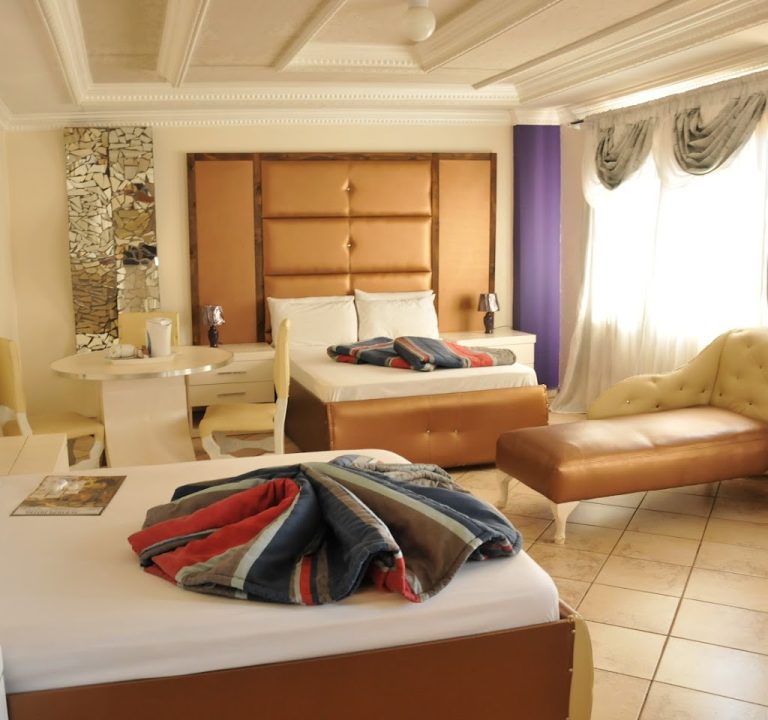
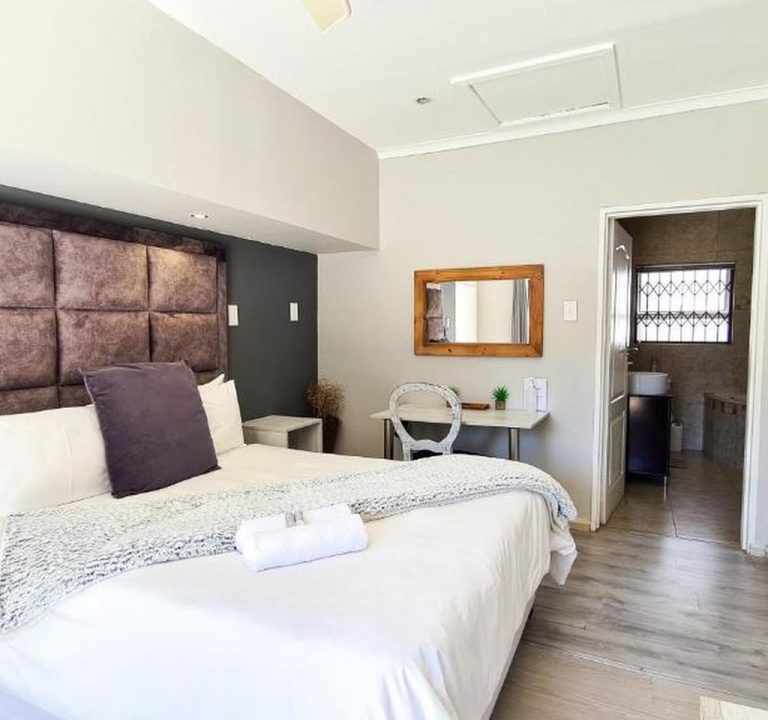
Accommodation in Thohoyandou ranges from intimate guesthouses to lodge-style retreats. Lancy Guest House, categorised as a lodge, is one example of the type of property travellers might encounter: often featuring individually styled rooms, communal spaces for socialising, and convenient access to major routes. When choosing where to stay, consider proximity to the town centre for easy dining and errands, or a quieter setting nearer natural areas for a peaceful break. Many lodges and guesthouses emphasise a warm, personalised experience, with hosts who can arrange airport transfers, guided day trips, and recommendations for local eateries.
What to look for when booking is guided by your itinerary. If you plan to spend long days exploring nature and markets, a comfortable room with reliable Wi-Fi, secure parking, and a hearty breakfast can be very valuable. For travellers on a tighter schedule, proximity to transport hubs and easy access to road connections may be more important. Check whether the property offers essential amenities such as air conditioning or fans, a clean en-suite bathroom, and a dependable hot water supply, particularly in the dry winter season when temperatures can drop at night and rains are infrequent. If you are visiting during peak travel times, it is wise to book ahead and request flexible cancellation terms in case plans shift.
Typical amenities you may encounter include on-site parking, breakfast options, and guest lounges or verandas for socialising. Some lodges provide small kitchens or tea-and-coffee facilities in rooms, making self-catering easy if you prefer snacks or light meals between outings. A few properties may offer organised activities or guided cultural experiences, which can be a convenient way to learn about the area and its people without having to plan each detail yourself.
Transport in and around Thohoyandou is straightforward but requires some advance thought. A car gives you the most freedom to explore the region, including nearby reserves and viewpoints, and many lodges arrange private transfers or can recommend reputable taxi services. Public transport options exist, though schedules can be irregular, and travellers should plan extra time for connections. If you are flying into the region, you will likely arrive via a larger airport and then hire a car for the onward journey. Always confirm whether your accommodation offers secure parking or a shuttle service from the airport or railway stations to avoid last‑minute stress.
Best time to visit Thohoyandou generally aligns with the local climate and events. The dry winter months (roughly May to September) bring cooler evenings and pleasant days for outdoor exploration, making it a popular window for nature walks, markets and cultural experiences. The summer months (October to March) bring warmer temperatures and periodic rain, which can nourish the scenery and create lush landscapes, though travellers should be prepared for hotter days and the possibility of afternoon showers. If you are aiming to combine nature with wildlife or cultural tours, planning a stay that spans the shoulder seasons can provide good value and comfortable weather.
Activities and experiences that typify a stay in and around Thohoyandou include visiting local markets to browse crafts and fresh produce, exploring nearby nature reserves, and taking part in guided village or community-led tours that offer insights into traditions, music and daily life. Dining in the area is often an opportunity to sample straightforward, well‑prepared South African favourites, with options ranging from informal eateries to more curated dining rooms. Rather than focusing on specific restaurant names here, a practical approach is to ask your host for trusted venue suggestions based on your tastes and budget, and to allow time in your day for leisurely meals that fit into your plans for the next activity.
Practical tips for a smooth stay:
- Book ahead during peak seasons and request flexible terms where possible.
- Confirm parking and transport options with your host to avoid last‑minute arrangements.
- Pack layers for variable weather; evenings can be cooler in the dry season.
- Bring insect repellent and sun protection, especially if you plan outdoor activities.
- Ask hosts for recommendations on safe routes, market etiquette, and respectable dress when visiting community areas.
Small practical considerations can greatly enhance your visit. If you are planning a multi‑day stay, consider how your accommodation can serve as a hub for day trips to nearby viewpoints, markets, and cultural experiences. While you should not rely on a single plan, having a flexible framework—one day focused on markets, another on nature, and a third on a guided cultural encounter—helps to balance rest with discovery. In Thohoyandou, hospitality and the surrounding landscape offer a relaxed pace and inviting options for travellers who wish toexperience the richness of Limpopo without sacrificing comfort.