Staying in Thohoyandou, Limpopo: accommodation, transport, and things to do
Thohoyandou sits in the near‑subtropical Lowveld region of Limpopo, offering a gateway to Tsonga culture, scenic landscapes and easy access to day trips across northern South Africa. When planning a stay, travellers typically weigh the same essentials: location, comfort, safety and value for money. Whether you’re seeking a mid‑sized hotel, a guesthouse with personalised service, or a self‑catering lodge, Thohoyandou provides options that can suit a range of itineraries and budgets. A well‑considered base makes it simpler to explore local attractions, markets and eateries while staying connected to day‑to‑day conveniences.
Areas to consider for accommodation include central Thohoyandou, where a mix of lodges, guesthouses and smaller hotels tend to cluster near shops, banks and transport links. For visitors wanting a quieter stay, outlying areas on the edge of town can offer larger grounds and more privacy, though you may need a car to reach town facilities and dining options. If you are exploring academic or cultural sites locally, staying near the university precinct can also provide a calmer environment with convenient access to campuses and amenities.
In choosing a place to stay, look for predictable basics: clean, well‑maintained rooms, reliable hot water, and good security. Check on-site facilities such as free parking, Wi‑Fi quality, and whether breakfast is included or available nearby. If you plan day trips, see if the property can assist with arranging guided tours or transport, or at least offer helpful local tips for self‑drive excursions. For families, verify room configurations and whether toys or kid‑friendly options are available. For solo travellers or business visitors, a quiet work area, ample lighting and timely housekeeping may be priorities.
Typical amenities you may encounter include en‑suite bathrooms, air‑conditioning or ceiling fans, and sometimes a small seating area or kitchenette in self‑catering options. Restaurants and lounges within or near a property can range from informal cafés to more formal dining rooms, offering a mix of local flavours and familiar favourites. If you value sustainable practices, you may discover lodgings that prioritise energy efficiency, water conservation or community engagement; asking about these during booking can help you choose with confidence.
Transport is a practical consideration for Thohoyandou stays. The town is accessible by regional roads from major routes, and a car is often the most convenient way to move about, especially if you intend to visit surrounding natural areas or markets. Local taxis and ride services are typically available, and some guesthouses or hotels may arrange airport or station transfers on request. If you plan to explore extensively, a vehicle gives you flexibility to set your own pace and to venture to nearby sights without relying solely on group tours.
The best time to visit Thohoyandou is linked to regional weather patterns. The dry season—cooler evenings and comfortable daytime temperatures—usually falls in the autumn and winter months, making outdoor activities and market strolls pleasant. The wet season brings occasional rain, which can be dramatic and lush but may affect outdoor plans. Consider your tolerance for heat, humidity and occasional showers when you decide on dates for long stays or outdoor excursions. If you are chasing cultural events or markets, aligning your visit with local calendars can enhance your experience, though exact timings may vary year to year.
When planning activities, you’ll typically find a mix of nature, culture and everyday South African life to enjoy. Cultural experiences often revolve around community markets, handicrafts and traditional music or dance performances. Nature‑oriented outings may include easy hikes or scenic drives in nearby hills and countryside. For dining, many guests enjoy sampling local eateries and informal venues where regional staples and bolder flavours are on the menu. While you should avoid specific claims about awards or prices unless verified, you can expect approachable, honest hospitality and straightforward, well‑priced meals in most visitor areas.
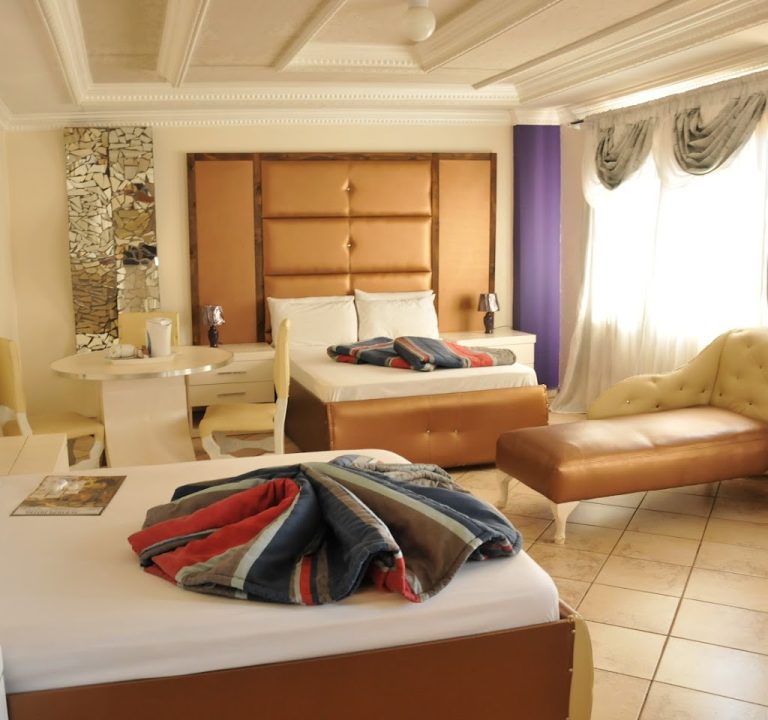
One example of accommodation in the area is Avkhom Hotel. It offers a comprehensive base from which to explore Thohoyandou and the surrounding Limpopo countryside. The on‑site facilities and location can be suitable for guests seeking dependable comfort with practical access to local transport and services. For more information, guests may visit the hotel’s official website: Avkhom Hotel.
Practical planning tips to keep in mind:
- Book in advance during peak travel periods to secure the best rates and preferred room types.
- Ask for room options that suit your needs, such as en‑suite facilities, air‑conditioning, or a kitchenette.
- Check security arrangements, parking availability and whether the property offers a 24‑hour reception or security staff.
- Clarify complimentary services (breakfast, Wi‑Fi, shuttle options) and any additional charges for activities or transfers.
- If you plan to drive, confirm parking facilities and whether the property can advise on safe routes and local driving norms.
- Research nearby eateries and markets in advance to build a flexible culinary plan.
In summary, Thohoyandou provides a thoughtful mix of comfortable bases and authentic experiences. By prioritising location, reliable amenities, and ease of transport, travellers can craft a stay that blends rest with discovery—whether you are visiting cultural sites, pursuing nature walks, or simply enjoying the pace of local life. With careful planning, your Limpopo visit can be satisfying, approachable, and memorable.