Discovering Thohoyandou: Stay, Eat, and Explore in Limpopo
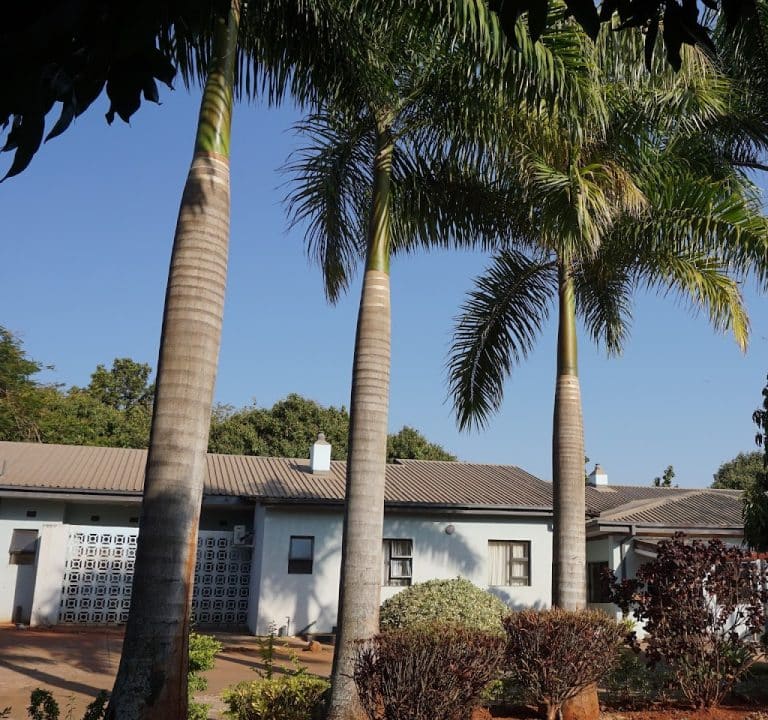
Thohoyandou, nestled in the heart of Limpopo, South Africa, offers a mix of comfortable accommodation and gateway access to the region’s natural beauty and cultural experiences. When planning a stay, consider the surrounding areas such as the town centre, the suburbs near major roads, and quieter residential neighbourhoods that provide easy access to shops, markets, and public transport routes. Lodges, hotels, and guesthouses in Thohoyandou often cater to both short breaks and longer visits, making it a flexible base for exploring the farther reaches of the Limpopo province.
Accommodation options vary from mid-range hotels near transport hubs to intimate guesthouses and self-catering units tucked away in leafy streets. When booking, look for a balance between location, comfort, and value. Proximity to minimised travel time to attractions, secure parking, on-site or nearby dining options, and the availability of friendly staff who can offer tips on local routes can significantly improve your stay. If you’re travelling with family or groups, a self-contained unit or apartment style room can provide more space and convenience than a standard hotel room.
Typical amenities in Thohoyandou’s accommodation include private bathrooms, air conditioning or fans for the subtropical climate, clean daily housekeeping, and reliable Wi‑Fi. Many properties offer breakfast options, parking, and access to communal lounges or outdoor spaces. Some establishments may provide access to swimming pools, gardens, or braai (barbecue) facilities, which can be a pleasant way to unwind after a day of exploring. When booking, check for accessibility features if required, quiet hours for a restful night, and policies around children or pets.
Transport in and around Thohoyandou is straightforward but varies by neighbourhood. A car is often the most convenient way to move between town amenities and outlying attractions. Public minibuses and taxis are common for shorter trips, while some hotels can arrange transfers or guided day trips. If you plan to venture beyond Thohoyandou to rural reserves or neighbouring towns, ensure you have clear directions or a reliable driver, as signage can be limited in more remote areas. For longer stays, consider a rental car that allows flexibility to explore the surrounding Limpopo landscape at your own pace.
The best time to visit Thohoyandou depends on what you want from your trip. The dry season (roughly May to September) tends to bring cooler evenings and pleasant daytime temperatures, which can be ideal for city strolls, markets, and outdoor experiences. The rainy season brings lush scenery and high temperatures; it’s a good time for wildlife enthusiasts and photographers who enjoy verdant landscapes, though some outdoor activities may be more weather-dependent. Plan for local events or markets that may occur on weekends, and check regional holiday calendars for peak travel periods that could impact availability and price.
In terms of planning a balanced itinerary, allocate time for a mix of accommodation-based rest, cultural encounters, and nature experiences. You may wish to start with a comfortable base in the town centre or a nearby neighbourhood, then schedule day trips to surrounding natural parks, viewpoints, or cultural sites. While browsing options, look for properties with helpful staff who can point you to authentic local dining and practical experiences beyond the usual tourist spots. If you want to join a guided tour or organised activity, ask your hosts or reception about reputable operators who focus on responsible tourism and local communities.
When considering what to do during your stay, look for a blend of low-key experiences and memorable highlights. Typical activities include exploring local markets to sample fresh produce and crafts, taking short walks or drives to nearby viewpoints, and learning about the region’s Mix of cultures and languages. Dining options in the area range from casual eateries serving traditional dishes to more contemporary venues offering a modern take on Limpopo flavours. If you’re seeking a relaxed dinner after a day of sightseeing, a property with in-house dining or easy access to nearby eateries can be especially convenient. For those who enjoy regional cuisine, talking with hosts or locals about recommended dishes can lead to rewarding meals that highlight Limpopo’s culinary traditions.
Practical tips to enhance your stay:
- Book in advance during peak travel periods to secure preferred rooms and better rates.
- Ask for local recommendations on markets, cultural experiences, and safe, scenic routes for day trips.
- Confirm what is included in breakfast, as options can vary between properties.
- Bring a versatile layer for cooler evenings, especially in the dry season.
- Check security features and ensure you have a reliable means of transport for evenings out.
While not every attraction needs a formal plan, allowing room for spontaneity can reveal hidden gems. General highlights in and around Thohoyandou tend to include natural landscapes, local crafts, and opportunities to observe daily life in a friendly, welcoming setting. Visitors often find that a well-chosen base—with easy access to both comfortable rest and practical guidance—greatly enhances the overall experience of Limpopo’s coastal-adjacent interior. For further inspiration, consult regional tourism resources and local accommodation directories, which can point you to reputable hotels, guesthouses, and lodges that align with your travel style.
For more information and ideas, you may wish to explore official tourism sites and travel guides that cover Limpopo and Thohoyandou. Links to national or provincial tourism portals can provide up-to-date visitor information, sample itineraries, and suggestions for exploring responsibly.