Accommodation and Local Experiences in Maseru, Lesotho
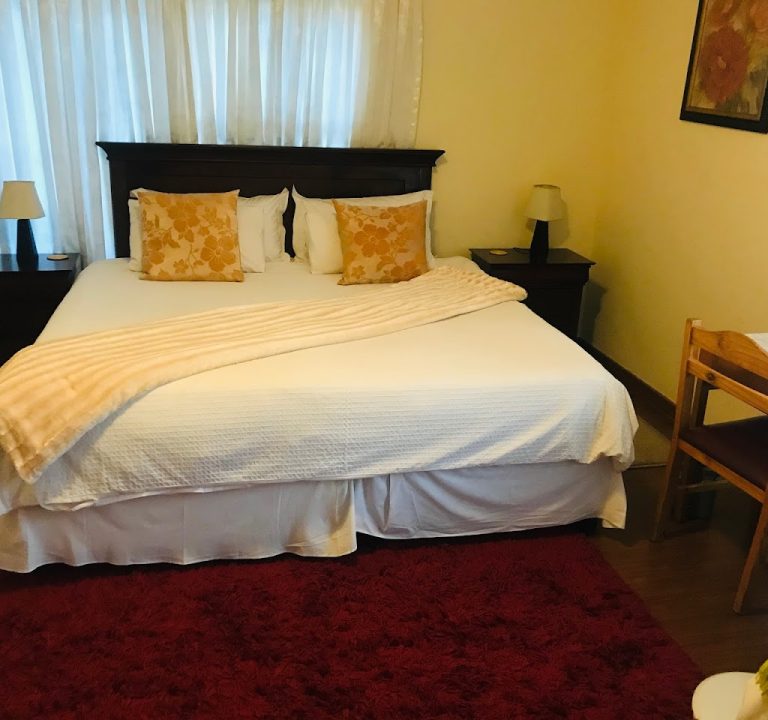
Maseru, the capital city of Lesotho, offers a compact selection of guesthouses, hotels and lodges that suit a range of budgets and travel styles. When planning a stay, it’s helpful to think about which neighbourhoods will put you closest to your interests—business and nightlife in central Maseru, shopping and markets on the outskirts, or quick access to the foothills and cultural attractions. For visitors who prioritise comfort and a home-from-home feel, guesthouses such as Lakeview guesthouse can provide a welcoming base with thoughtful touches.
Where to stay can influence your experience as much as the amenities a property offers. Central Maseru puts you within easy reach of key administrative offices, sizeable markets and the city’s main transport links, while suburbs or hillside locations often deliver quieter nights, greener views and a slower pace. If you value easy access to public transport, look for properties near main bus routes or close to the railway station area. For a more scenic backdrop, consider lodges or guesthouses perched on higher ground with views over the city or surrounding hills.
Booking tips to help you choose with confidence include checking recent guest reviews for clarity on cleanliness and service, and noting what exactly is included in the rate—breakfast, airport transfers, or guided excursions can make a big difference to overall value. When you compare options, consider whether you prefer a boutique feel with personalised service or a larger property with more facilities such as on-site dining or a 24-hour reception. If you have specific needs—such as a room with a desk for work, mobility considerations, or dietary requirements—don’t hesitate to contact the property before booking to confirm arrangements.
Typical amenities you might encounter include en-suite bathrooms, free Wi‑Fi, secure parking, and breakfast options ranging from continental to hearty mountain-style meals. Some properties may offer a pool, a garden or sun terrace, and common areas for socialising or planning day trips. It is worth confirming the availability of hot water and reliable heating or cooling, as Maseru’s climate can vary with seasons. If you’re travelling with luggage or gear for hiking in the border hills, ask about storage facilities or laundry services.
Transport in Maseru is straightforward but requires a little planning. Local taxis are widely available, and some guesthouses arrange transfers to and from the airport or bus stations. Car hire is another option if you want the freedom to explore beyond the city at your own pace. If you intend to travel outside Maseru on day trips, ensure your accommodation can help with guided options or reliable rental arrangements. In urban areas, most places around the city centre are walkable for short hops between markets, eateries and the central business district.
Best time to visit Maseru depends on your priorities. The dry season (roughly May to September) brings cooler days and clearer skies, which is pleasant for sightseeing and outdoor activities. The warmer, wetter months (roughly October to April) can be humid, with the potential for afternoon showers; this period is lush for landscapes and may suit travellers who enjoy a greener surrounding. If you are visiting for cultural events or markets, keep an eye on local calendars as some celebrations and fairs can influence accommodation availability and prices.
Attractions and experiences in and around Maseru are best enjoyed with a relaxed itinerary. In the city, you can expect markets offering a mix of crafts, textiles and everyday goods, alongside historical sites and viewpoints that reveal the city’s setting against the surrounding hills. Outdoor enthusiasts might organise short excursions to nearby trails or nature reserves, while food lovers can explore a range of eateries that provide traditional dishes and contemporary takes on Lesotho’s flavours. For a broader sense of the country, plan a longer excursion to areas beyond the capital—many visitors combine Maseru with day trips to nearby towns or scenic routes that showcase Lesotho’s highland character.
When choosing a restaurant or dining option, consider small, locally owned eateries that prioritise fresh ingredients and warm service. You’ll typically find a mix of upmarket venues and casual cafés, where you can sample regional staples and modern interpretations. If you want guidance, your accommodation staff or a local tourism information point can suggest reliable places based on what you’re craving and your budget.
Practical tips for a smooth stay in Maseru:
- Confirm what is included in your rate (breakfast, parking, transfers) to avoid unexpected costs.
- Ask about security in the neighbourhood and on-site safety measures at the property.
- Pack layers for cooler evenings, particularly if you’ll be near higher ground or in the mountains.
- Arrange airport or bus transfers in advance if you have a strict timetable.
- Bring cash in the local currency for markets and smaller eateries; many places also accept cards, but it’s best to have contingency funds.
For inspiration beyond Maseru itself, the official Lesotho tourism resources offer practical guidance and current recommendations. For example, you can explore general information about the country and its hospitality options at the Lesotho Tourism Authority’s pages. Discovering Maseru through a comfortable base, a well-planned itinerary, and open-minded exploration can make your trip both relaxing and enriching. If you’re considering a specific stay, such as Lakeview guesthouse, you can review guest experiences, photos, and available facilities to ensure it fits your needs. For broader planning resources, you may visit official tourism sites for the latest travel tips and regional highlights.