Accommodation and Attractions in Maseru, Lesotho
Maseru, the capital city of Lesotho, is a compact hub that blends contemporary comforts with a warm, friendly atmosphere. When planning a stay, most visitors look for guesthouses, B&Bs and small hotels that offer a sense of local charm, straightforward access to the city centre and reliable base for day trips into surrounding scenery. A well-chosen stay can balance restful accommodation with easy access to shopping, markets, casual dining and cultural experiences, all within a walkable or short drive from central Maseru.
In Maseru town, you’ll find a range of guesthouses and boutique-style stays that prioritise comfort, practicality and host engagement. A guesthouse such as Joy Guesthouse – Seapoint provides a friendly, understated base with guest-focused service and communal spaces that make it easy to connect with other travellers. When selecting a property, consider how you plan to spend your time: do you want an in‑house café or lounge, a kitchen for self-catering, or assistance with arranging day trips? Look for clear information about reception hours, staff helpfulness and the availability of early breakfasts if you’re heading out early to explore or hike.
Areas to consider when choosing where to stay include the city centre itself, where access to shops, markets and taxis is convenient, and the surrounding residential districts, which may offer quieter streets and more spacious rooms. If proximity to government buildings, business districts or cultural venues matters to you, a central location will typically cut down on travel time in the mornings and evenings. For those seeking a touch of tranquillity, a property on the edge of the city or near local parks can provide a pleasant balance between accessibility and a calmer ambience after a day of sightseeing.
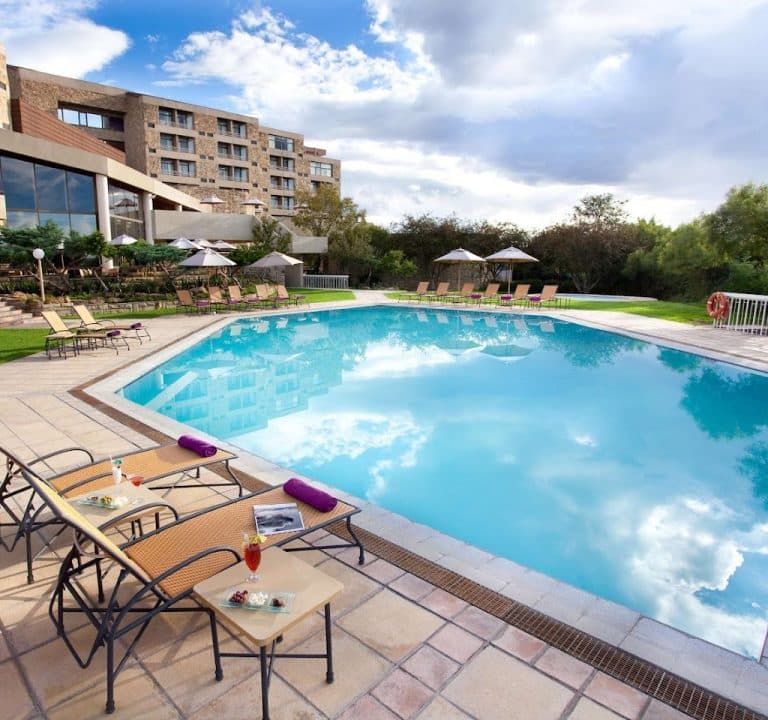
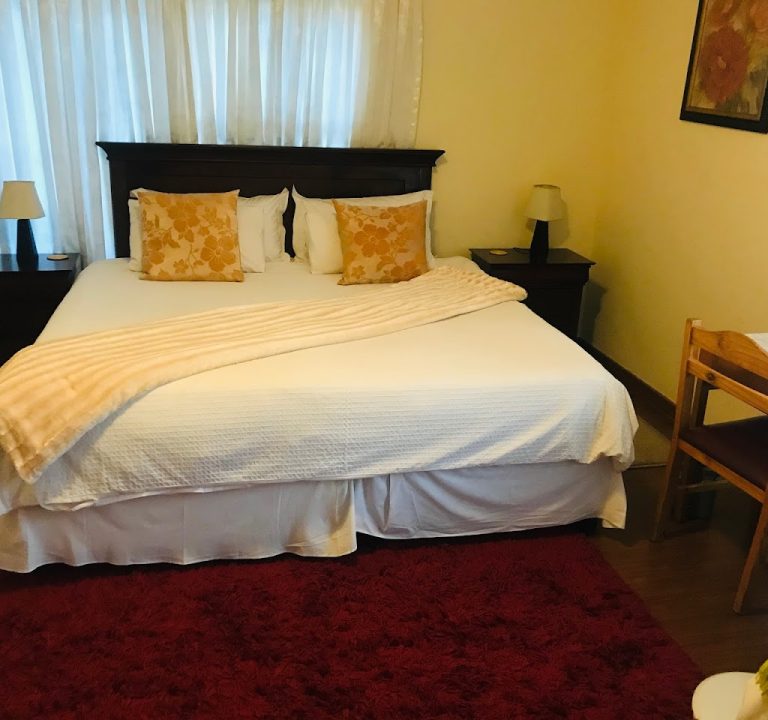
Typical amenities you can expect in Maseru’s guesthouses and small hotels include comfortable beds with clean linens, en‑suite bathrooms or well‑equipped shared facilities, secure access, and reliable housekeeping. Many offer free Wi‑Fi, common seating areas, and guidance on local transport and activities. Breakfast may be included or available as an add‑on, with options ranging from a light continental spread to a more substantial, locally influenced offering. If you value self‑catering, check whether the property provides a simple kitchen or a communal area where you can prepare meals. Storage for luggage, airport or shuttle transfers, and concierge-style help with day trips are also practical features that simplify planning a short stay.
Transport in Maseru is straightforward but can vary by time of day. Taxis, ride‑hailing services where available, and shared minibuses operate around the city centre and major points of interest. If you plan to explore beyond Maseru, a car hire or arranging a guided day trip through your accommodation can be the most efficient option. Many visitors find that having a private transfer for at least the first day can help you settle in and map out a concise plan for sightseeing. For those who prefer public transport, budgeting extra time for travel between areas is wise, as services can be less frequent outside peak hours.
The best time to visit Maseru depends on your priorities. The dry season, roughly from late spring to early autumn, offers clearer skies for outdoor exploration and more comfortable hiking conditions in the surrounding countryside. Nights can be cool or chilly, so pack layers. The wet season brings lush scenery and occasional rain showers, which can be refreshing but may affect outdoor plans. Whatever the month, plan some indoor activities—markets, museums and cafés provide engaging alternatives if weather shifts unexpectedly. If you are planning a longer stay, align your activities with local markets, craft workshops and cultural events to gain a sense of Lesotho’s hospitality and daily life.
When planning activities, consider a mix of gentle urban experiences and nature-based outings. In the city, you can expect markets and craft stalls offering handmade textiles and crafts, as well as cafés and casual eateries where you can sample light, simple meals. Outside Maseru, the surrounding highlands and valleys offer viewpoints, short walks and picnic spots with striking scenery. For dining, most accommodations and better‑established guesthouses can point you toward nearby casual eateries and restaurants that focus on staples such as grilled meats, stews and locally inspired dishes. Always check current opening times and whether reservations are advised, particularly during peak travel periods.
- Book a centrally located guesthouse or boutique hotel for easy access to markets and transport links
- Confirm included meals or kitchen facilities if you plan to self‑cater
- Check transfer options and whether the property offers airport or day‑trip pickups
- Pack layers for cool evenings, even if daytime temperatures seem mild
- Ask hosts for tailored recommendations on markets, eateries and short excursions
Beyond the accommodation, Maseru serves as a convenient gateway to the country’s scenic landscapes. While keeping a flexible itinerary, you can balance time in the city with short drives into the highlands to experience Lesotho’s natural beauty. For a fuller sense of place, engage with local guides or guesthouse hosts who can suggest nearby viewpoints, short hikes and cultural experiences that illuminate everyday life in Lesotho. With thoughtful planning, a stay in Maseru can offer comfortable accommodation, practical travel logistics and memorable, authentic experiences without a crowded tourist trail.