Accommodation and attractions in Maseru: planning a comfortable stay in Lesotho’s capital
Maseru, the capital of Lesotho, offers a range of accommodation options that suit different styles and budgets. From guesthouses tucked into quiet residential streets to mid‑range hotels central to business and government districts, visitors can choose settings that prioritise comfort, convenience and a hospitable, locally flavoured experience. When planning a stay, think about your priorities—quiet sleep, easy access to shops and transport, or closer proximity to cultural sights—and select a place that aligns with those needs.
Areas to consider include central Maseru, where many hotels and guesthouses cluster near major transport routes, markets and administrative buildings. This can be convenient for first‑time visitors who want straightforward access to taxis, bus services and footpaths to local eateries. For a more relaxed atmosphere, consider suburbs that offer calmer streets, leafy surrounds and a closer proximity to hills or countryside viewpoints. If you plan day trips outside the city, a location with reliable transport links—such as easy access to main roads or organised transfers—can save time and reduce hassle.
Booking considerations are essential to getting a good night’s sleep and a smooth overall stay. Check the following before you confirm a booking: sound proofing and air conditioning or heating (Maseru’s evenings can be cooler in the shoulder seasons), room size and natural light, and whether there are boutique touches such as locally inspired décor, a garden terrace or a courtyard. Look for places that clearly outline guest services, including 24‑hour reception, luggage storage, and on‑site security. Practicalities like on‑site parking or easy street parking, and whether breakfast is included or available as an add‑on, can make a big difference to daily planning.
Typical amenities to expect in Maseru’s accommodation mix include comfortable beds with clean linens, en‑suite bathrooms or well‑appointed shared facilities, reliable hot water, and wifi access. Many guesthouses and hotels offer communal spaces where guests can mingle with locals or fellow travellers, such as a lounge, dining area or small courtyard. If you intend to work or stay longer, confirm desk space or good Wi‑Fi in your room, and ask about quiet room options if you’re sensitive to noise. Accessibility features may vary, so if you have mobility considerations, it’s worth contacting the property directly to confirm what’s available.
Transport plans are a key part of your stay in Maseru. Within the city, taxis and minibus services provide practical options for short hops and trips to markets or cafés. If you are driving or renting a car, check whether the property offers parking and whether access is straightforward on local streets. For travellers arriving by air, arrange a transfer or verify the closest pick‑up point with your host or hotel; this can simplify your first journey into the city after a long flight.
The best time to visit Maseru generally aligns with Lesotho’s drier months. May to September brings cooler days and clearer skies, which can be ideal for exploring markets and outdoor viewpoints. The shoulder seasons around April and October can offer pleasant temperatures with moderate rainfall. If you prefer to combine city sightseeing with nearby natural landscapes, plan day trips to the surrounding highlands during drier periods when roads are more navigable and views are clearer.
When planning activities, you’ll find Maseru a good base for both city‑centre exploration and easy access to scenic countryside. In the city, you can wander traditional markets, observe everyday life in a bilingual environment, and sample simple, hearty meals at local eateries that showcase Basotho staples. Cultural experiences often revolve around crafts, textiles and local design, with opportunities to meet artisans and understand techniques that have been passed down through generations. If you enjoy outdoor recreation, nearby hills and viewpoints offer pleasant walks and photo opportunities, while day trips to surrounding regions enable you to experience Lesotho’s dramatic landscapes without long travel times.
Restaurants in Maseru tend to emphasise fresh ingredients and regional flavours. Expect menus that celebrate maize, beans, legumes and locally raised meats, served in informal settings that prioritise hospitality. Many properties curate simple dining options for guests, while independent eateries provide a chance to explore traditional dishes alongside modern twists. When dining out, guests are usually welcomed to ask about spice levels and cooking methods, ensuring meals suit personal preferences and dietary needs.
Lastly, practical tips to help you get the most from your stay: book well in advance during peak travel periods, especially if you have specific room preferences or require ground‑level access. Ask about late check‑out options if your flight times require flexibility. Consider purchasing local SIM cards or ensuring your accommodation offers reliable Wi‑Fi to stay connected. For those seeking curated experiences, many properties can arrange guided walks, visits to local markets, or gentle excursions into the surrounding hills, providing a flavour of Maseru that goes beyond the hotel itself.
If you’d like to learn more about Lesotho’s attractions and tourism planning, you can explore official tourism resources for broader context and practical guidance. For example, Visit Lesotho’s online resources offer highlights and practical information that can help with itinerary planning and up‑to‑date travel tips. Visit Lesotho.
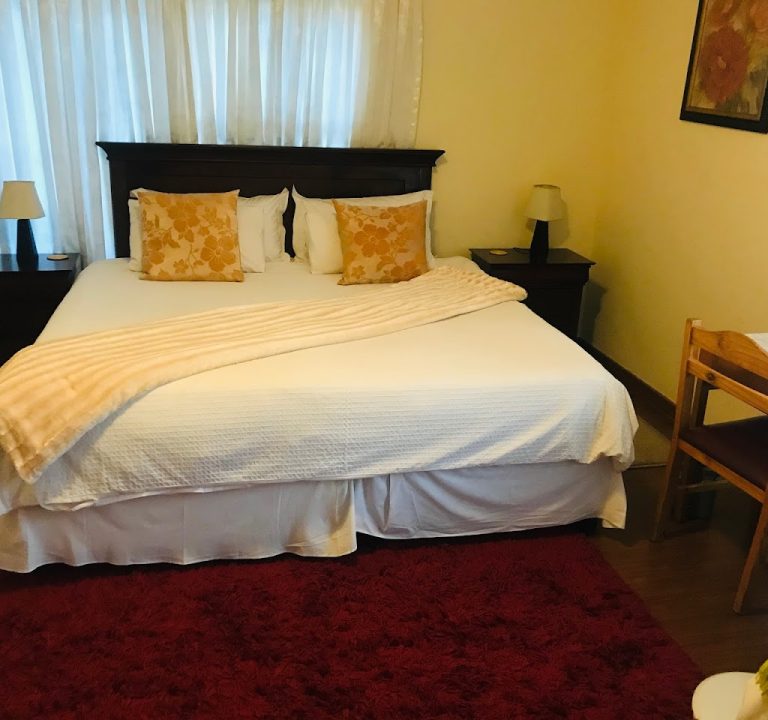
One accommodation that travellers often note as a welcoming option in Maseru is Horizon View Guest House, which sits within a convenient radius of the central district. It represents the kind of smaller or guesthouse‑style property that can provide a personalised stay with a local touch, while staying close to everyday life in the city. When considering options like Horizon View or similar stays, weigh the balance of comfort, location, and access to transport when planning your itinerary.