Cape Town: Accommodation, Attractions and How to Plan a Memorable Stay
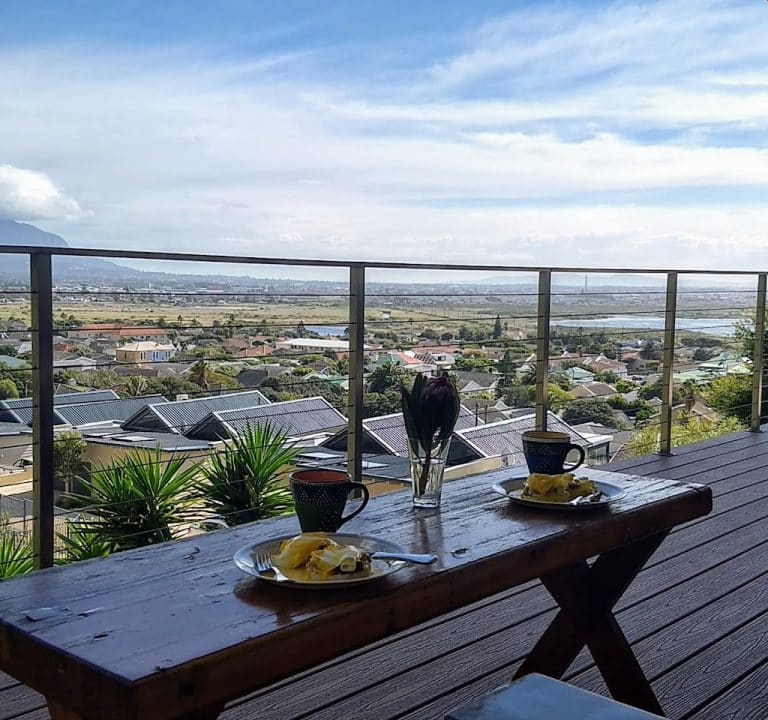
Cape Town blends dramatic coastlines, iconic scenery and a culinary scene that ranges from casual eateries to inventive fine-dining experiences. For travellers seeking a comfortable base to explore the Western Cape, there are lodging options to suit every style and budget—from boutique BnBs and guesthouses to lodges with sweeping views and self-catering apartments. A stay at Lakeside Rest, for example, could offer a relaxed, lakeside ambience while you discover the city’s varied neighbourhoods and nearby natural highlights.
Where to stay is often as important as what you do, so it helps to think about your priorities. Do you want easy access to the city centre, a coastal vibe with sea breezes, or a quieter residential edge with easy road links to the winelands and the Cape Peninsula? In general, Cape Town’s lodging tends to cluster around a few well‑known areas, each with its own character and practical advantages.
Central and foreshore districts are convenient for sightseeing, museums, markets, and dining. The Atlantic Seaboard and the Atlantic beaches offer stylish apartments and guesthouses with sea views, often within walking distance of promenades and cafés. The southern suburbs and the Constantia valley provide lush, quieter surroundings, with a focus on wine estates and hiking trails. For a more local, authentic feel, stay in neighbourhoods with character and easy access to public transport or rideshare routes. Whatever you choose, many properties in Cape Town offer self‑catering facilities, reliable Wi‑Fi, and flexible arrival times that suit travellers arriving after long flights.
Typical amenities you may encounter include en suite bathrooms, breakfast options (from continental to chef‑style), and access to communal spaces such as lounges, gardens or terraces. Some lodgings go a step further with private patios, outdoor pools, and secure parking. If you’re planning a longer stay, consider a property with a small kitchen or kitchenette, laundry facilities, and a good neighbourhood guide to help you settle in quickly.
Transport is a practical consideration in planning. Cape Town has a compact city core with a network of buses and some metro routes, though services may be less frequent in neighbouring suburbs. Ridesharing apps and car hire remain popular choices for visitors who want flexibility, especially for day trips to the Cape Peninsula or the Constantia valley. If you want to explore at your own pace, a property with parking or easy access to public transport can save time and stress. For those preferring an active break, staying closer to the city bowl or V&A Waterfront can reduce transit time to sights, markets and sunset viewpoints.
The best time to visit Cape Town depends on what you want from your trip. Peak tourist season runs from late spring to early autumn (October to March) when days are longer and prices can rise. Winter brings cooler, more variable weather but is ideal for fewer crowds and excellent value, with the added charm of dramatic sea weather and the chance to see the city’s green spaces in a different light. Spring (September to November) and autumn (March to May) offer mild temperatures and pleasant conditions for outdoor activities, including hiking Table Mountain and coastal walks. If you’re planning to visit wine country, consider arranging a day trip during shoulder seasons for more comfortable touring and tastings with shorter queues.
When choosing accommodation, consider location relative to your planned days. If your stay is city‑centre heavy, look for properties within walking distance to theatres, markets and attractions, but be mindful of noise if you are sensitive to street life. If you anticipate long days of sightseeing, a quieter base a short drive from activities can be a wise balance. For beach days, a lodging along or near the Atlantic Seaboard offers convenient access to sandy shores and scenic coastal paths. For nature lovers, a stay near green spaces or in Constantia can make morning hikes part of your routine.
Dining and experiences are easy to discover in Cape Town. The city offers a wide range of eateries to suit every mood and budget, from casual coffee spots and seafood shacks to modern bistros and traditional South African fare. Rather than anchoring your plans on specific names, look for places with strong local character, fresh ingredients, and good reviews. In addition to meals, consider experiences such as guided coastal walks, markets with craft and food stalls, or culinary tours that showcase regional producers. Visitors can also arrange protected, scenic drives or guided viewpoints to capture sunrise and sunset moments over the city and harbour.
Practical tips to smooth your stay:
- Book accommodation with flexible change policies where possible, especially during shoulder seasons.
- Check for a reliable internet connection and a comfortable work/relaxation space if you need to keep up with emails or plan days on the go.
- Look for properties that provide clear information about access to public transport, local maps, and a recommended day‑by‑day plan.
- Pack layers and sun protection; Cape Town weather can shift quickly, particularly near the coast and on Table Mountain.
- Consider a short‑term car hire if you want to explore beyond the immediate urban area, such as the Cape Peninsula, Simon’s Town, or the Helderberg wine route.
- Respect water restrictions and sustainable travel practices, choosing lodgings that promote responsible tourism and waste reduction where possible.
In sum, Cape Town offers a diverse tapestry of places to stay, each capable of shaping a memorable visit. A well‑chosen lodging can anchor your itinerary, whether you are drawn to the city’s bustling markets and harbour culture, its world‑class dining landscape, or the natural drama of the surrounding mountains and coast. For those seeking a well‑located base with a touch of character, Lakeside Rest and similar lodges can provide a restful retreat after days spent discovering the region’s beaches, viewpoints and delicious possibilities. For additional ideas and practical planning resources, you can explore official tourism information and reputable travel sites to tailor an itinerary that fits your interests and pace.
Useful links to start planning include official tourism pages and regional guides, which can help you identify recommended areas, transport options and peak periods for visiting Cape Town and the Western Cape.