Staying in Cape Town: Where to base yourself, what to book, and how to make the most of your visit
Cape Town offers a diverse mix of landscapes, neighbourhoods and experiences, from dramatic coastal scenery to lush winelands a short drive away. Planning a stay that balances convenience with immersion will help you make the most of your time. Whether you favour boutique self-catering apartments, family-friendly guesthouses, or stylish hotels on the Atlantic Seaboard, choosing the right area and amenities sets the tone for your trip.
When selecting accommodation, consider proximity to the activities you most want to enjoy. If your days revolve around table-top views and easy access to restaurants and nightlife, a central or V&A Waterfront–adjacent stay in the City Bowl or Green Point can be ideal. For quieter mornings and more space, a self-catering option in the leafy southern suburbs or in Constantia provides a retreat after day trips. Families often appreciate lodges or guesthouses with private parking, clear kitchen facilities, and nearby parks or beaches for casual outings.
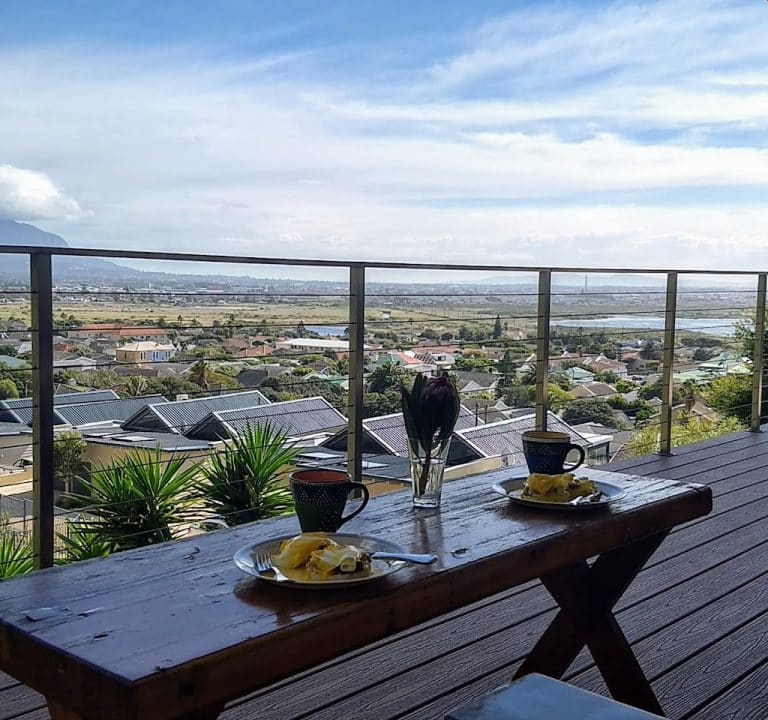
Self-catering accommodation can be particularly convenient in Cape Town, letting you tailor meal plans around long exploration days. Properties marketed as self-catering frequently offer well-equipped kitchens, lounge areas with views, and sometimes outdoor spaces for al fresco dining. If you choose this style, check for reliable kitchen basics, laundry facilities, and secure access. For Lakeside or mountain-adjacent stays, consider how your space handles currents of sea breeze or mountain air—some units open directly onto terraces or balconies, which can be a definite delight in good weather.
Typical amenities to look for include private or secure parking, flexible check-in arrangements, reliable Wi-Fi, and options for early or late arrival. Air conditioning or heating is worth confirming, as Cape Town’s weather can vary by season. A well-equipped kitchen or kitchenette, a comfortable living area, and quality bedding contribute to a restful stay, especially if you are spending several days in the city or venturing out for weekend trips.
Transport in Cape Town is generally straightforward but planning ahead helps. The MyCiTi bus network covers many central areas and major sights, while Uber and other ride-hailing services are widely available. If you are staying near the Atlantic Seaboard or Constantia, you may prefer a car or a hire since some highlights are spread out. If you intend to explore the Cape Peninsula, including the Cape Point area, a car is often the most practical option. When booking, consider whether your accommodation provides easy access for rides or has partner shuttle options for popular routes and day tours.
Best time to visit Cape Town depends on what you want to do. Summers (December to February) are vibrant with longer daylight hours, ideal for beaches and outdoor city tours. Autumn (March to May) brings milder weather and quieter streets, often a good balance for sightseeing and wine-country visits. Winter (June to August) can be cool and rainy, but it is a great time for fewer crowds and cosy evenings in, with many restaurants and guesthouses offering warm fireplaces and attentive service. Spring (September to November) showcases blossoming gardens and pleasant outdoor temperatures. Pack layers, a waterproof layer for sudden showers, and sun protection for peak midday hours.
When planning a stay, think about the nearby attractions you would like to pair with your accommodation. An urban base near museums, markets, and harbour viewpoints offers convenience for shorter day trips. Alternatively, a coastal neighbourhood with direct access to beaches and scenic walks invites a relaxed, scenic exploration rhythm. In addition to natural wonders such as iconic viewpoints and coastline routes, you can expect culinary diversity across the city—ranging from casual markets to refined dining—with many venues embracing farm-to-table or ocean-to-table concepts. For a balanced itinerary, mix nature, culture, and food experiences and leave room for spontaneous discoveries along the way.
What to book and how to plan your days can be guided by a few practical tips:
- Ask for a clear description of what is included in your stay (kitchenware, laundry facilities, daily housekeeping, parking).
- Check accessibility if you have mobility considerations or prefer easy street access for walking to cafés and markets.
- Look for properties with clear safety features and secure access, particularly if you travel with valuables or family.
- Consider guest reviews focused on noise levels, room size, and the practicality of transport links to your must-see destinations.
- Plan a flexible itinerary that allows for good weather days and longer travel times to more remote beaches or viewpoints.
For sightseeing inspiration, Cape Town offers a wide range of experiences beyond its beaches. Visitors typically enjoy panoramic viewpoints, nature reserves with hiking trails, and scenic drives along the coast. In terms of dining, the city’s culinary scene often emphasises fresh ingredients and global influences, with many eateries thriving on a casual yet stylish ambience. When in doubt, look for venues that prioritise seasonal produce and sustainable practices, and reserve in advance for popular spots during peak travel periods.
To help you plan, you can explore general resources such as Cape Town Tourism, which provides practical guidance on neighbourhoods, routes, and practical planning tips. If you have a particular accommodation in mind, check the property’s own website for any notes on nearby transport options and local recommendations. For a sample self-catering stay in a scenic setting, consider a place like Lakeside Mountain Loft as a concept—a self-contained space highlighting a restful base with opportunities to venture into the surrounding city and coast.