Cape Town accommodation and attractions: planning a memorable stay in the Western Cape
Cape Town sits on the edge of the Atlantic, framed by mountains and sea, offering a diverse mix of beaches, historic streets, modern eateries and scenic viewpoints. When planning a stay, choose a base that suits your interests and travel style. The city centre and the historic Bo-Kaap area give easy access to museums, markets and nightlife, while the Atlantic Seaboard and Camps Bay provide coastal scenery and resort-style stays. Constantia valley offers vineyards and leafy suburbs, ideal for a quieter retreat. For day trips and broader exploration, you can base yourself in a central district and venture to nearby towns and nature reserves on longer itineraries.
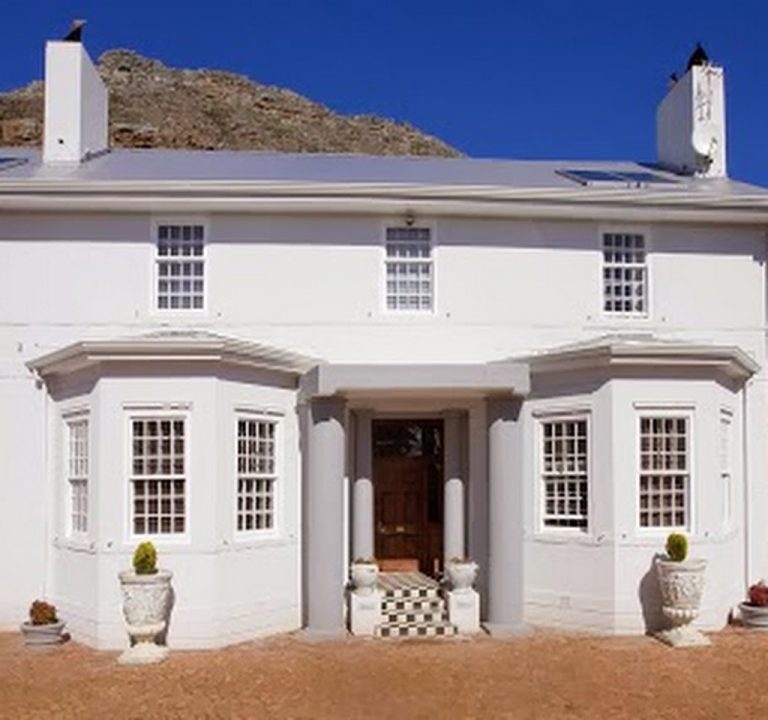
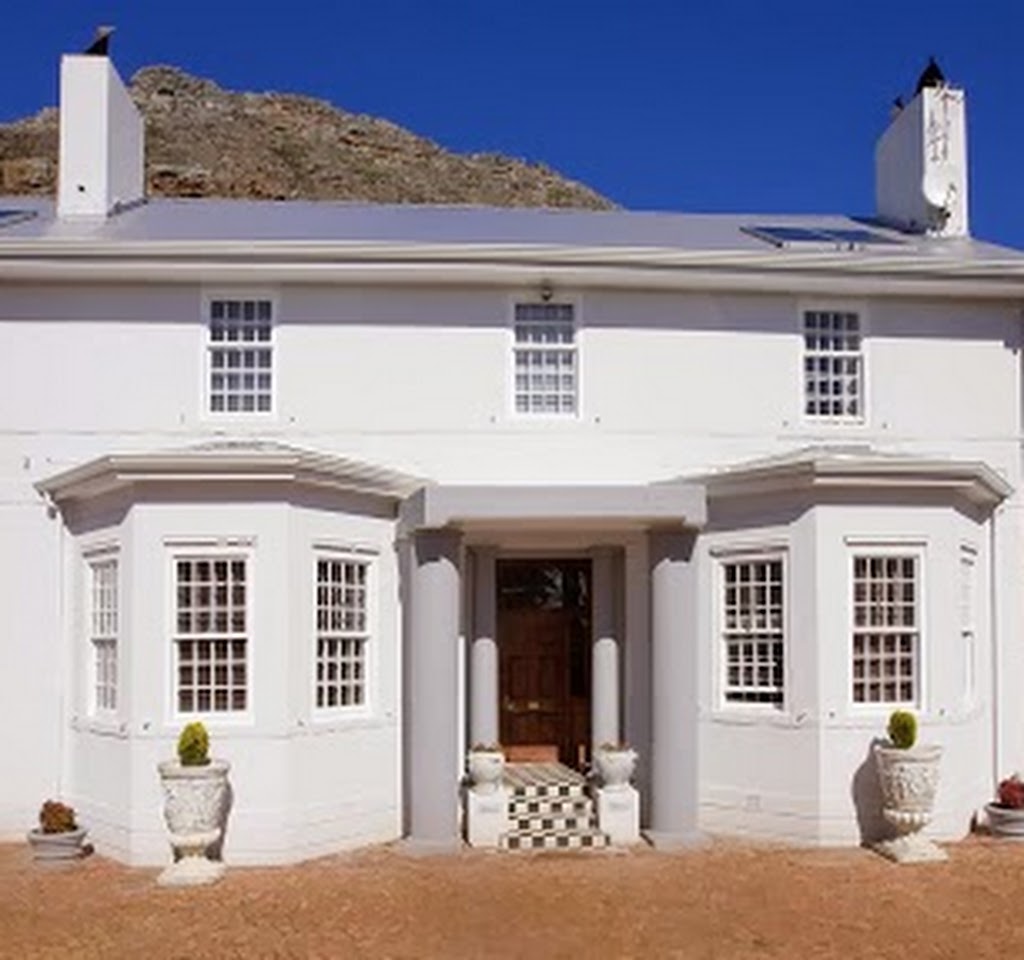
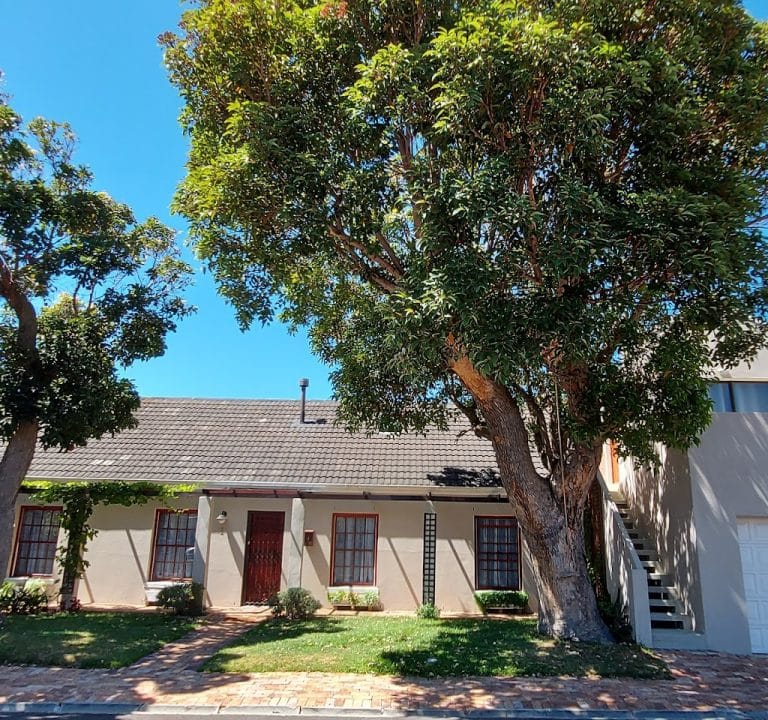
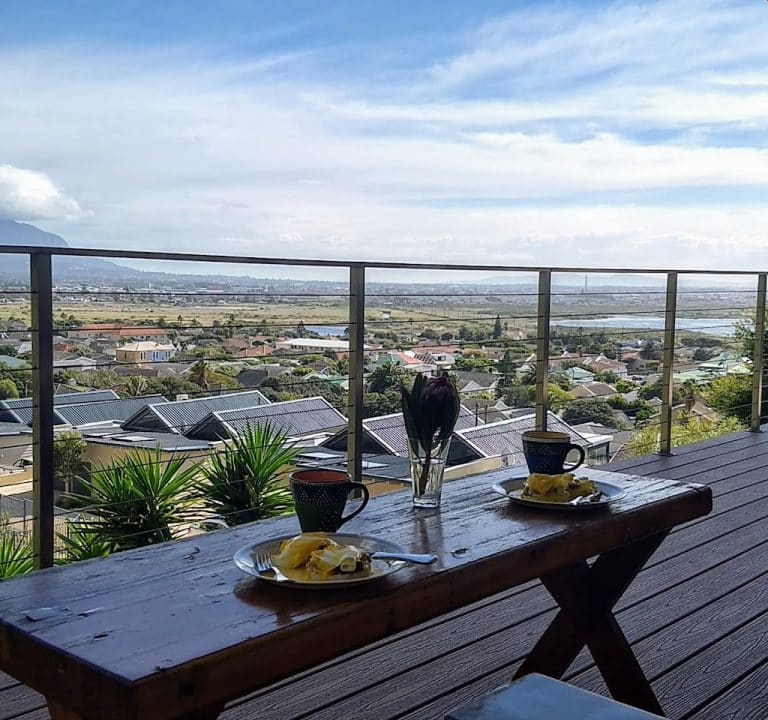
Accommodation options in Cape Town range from stylish guest houses and intimate boutique hotels to larger hotels and self‑catering apartments. A guest house such as Cape Blue Manor House embodies a characterful, personalised stay with a homely atmosphere, often set in leafy streets close to key sights. When selecting where to stay, consider the pace of your trip, the proximity to your highlights, and whether you prefer a lively neighbourhood or a tranquil retreat. Helpful amenities include secure parking, reliable Wi‑Fi, a comfortable in-room workspace, on-site parking, and a guest lounge or garden with views. Some properties offer breakfast included, which can be convenient for busy mornings before sightseeing or hiking later in the day.
Useful areas to consider:
- City Bowl and De Waterkant: central, walkable access to museums, markets, theatres and a range of dining options.
- V&A Waterfront and Green Point: harbour views, promenades, seafood restaurants and easy access to attractions such as the sea front and iconic viewpoints.
- Atlantic Seaboard (Camps Bay, Clifton, Sea Point): beaches and sunset scenery, with a more resort-like feel and stylish eateries nearby.
- Constantia and Tokai: green hills, wine estates and country-lodge ambience for a slower pace and day trips to Constantia Nek or the silver mines of the surrounding hills.
- Observatory and Woodstock: vibrant neighbourhoods with creative dining, street art, markets and convenient transport links to the city centre.
What to look for when booking:
- Location relative to your planned activities and preferred transport options.
- Rooms and layout: en-suite bathrooms, quiet rooms for working travellers, and options for families or groups.
- Amenities: reliable Wi‑Fi, secure parking if you’re driving, a well‑stocked breakfast, and access to outdoor spaces such as a terrace or garden.
- Access and safety: well‑lit streets, safe neighbourhoods, 24‑hour reception or clear check-in instructions.
- Guest reviews and host recommendations for tips on local experiences and dining.
Typical amenities to expect in a well‑run guest house or boutique hotel include a comfortable bed with quality linens, a private or shared bathroom with functional fittings, daily housekeeping, and a hospitality approach that helps guests feel at home. Some properties offer shared lounges, outdoor terraces with views, and curated information on local routes for hikes, walks along the coast, and scenic drives. If you enjoy more hands‑on planning, look for hosts who can provide recommendations for self‑guided tours, safe routes for walking or cycling, and alerts about seasonal conditions such as sea swells or windy days that influence beach plans.
Getting around Cape Town is straightforward with several options. The city has a modern urban transport network including quick bus services and ride‑hailing options, plus scenic routes for driving or hiring a car. If you’d rather not drive in peak hours, consider staying within easy reach of MyCiTi routes or use a combination of taxi services and on‑foot exploration for shorter distances. For longer day trips, such as to the Cape Peninsula, scenic coastal towns or wine regions, a hire car provides the most flexibility. Always check the distance to your planned activities and the parking arrangements at your accommodation.
The best time to visit Cape Town depends on your priorities. Late spring and autumn offer mild weather and longer daylight for outdoor activities, while summer brings warm seas and lively street life. Winter is cooler and wetter, but it can be a good time for fewer crowds and lower accommodation rates. If you’re interested in outdoor experiences, plan for mornings in the mountains or along the coast, with coastal changes and sea breezes influencing daily plans in summer months.
Practical tips to enhance your stay:
- Book a property with reliable access to a kitchen or breakfast service if you prefer self‑catering or a relaxed start to the day.
- Pack adaptable clothing for changing weather, especially if you plan to explore both beaches and highland trails.
- Allocate at least one full day for a Peninsula drive or a Table Mountain excursion with a cable car or hiking route, and set aside time for a coastal stroll at sunset.
- Check the neighbourhood safety, especially if you’ll be returning late from evenings out, and choose accommodation with secure access or staffed reception.
- Consider a mix of experiences: a morning hike or scenic drive, a lunch by the water, and an evening in a nearby restaurant or market to sample Cape Town’s diverse offering.
For a welcoming, characterful stay that embodies the spirit of Cape Town, consider visiting Cape Blue Manor House, a guest house that combines comfort with a touch of local charm. Learn more about its rooms and location at www.capebluemanor.co.za.