Queenstown, Eastern Cape: accommodation and attractions for a traveller-friendly stay
Queenstown in the Eastern Cape offers a relaxed base for visitors exploring the High-Court region and the surrounding rural scenery. When choosing where to stay, consider proximity to the town centre, easy access to highways, and the type of experience you prefer—an intimate guesthouse, a self-contained cottage, or a comfortable hotel-style option. The town’s laid-back atmosphere makes it well suited to travellers who value friendly service, straightforward logistics, and a good mix of local culture and outdoor possibilities.
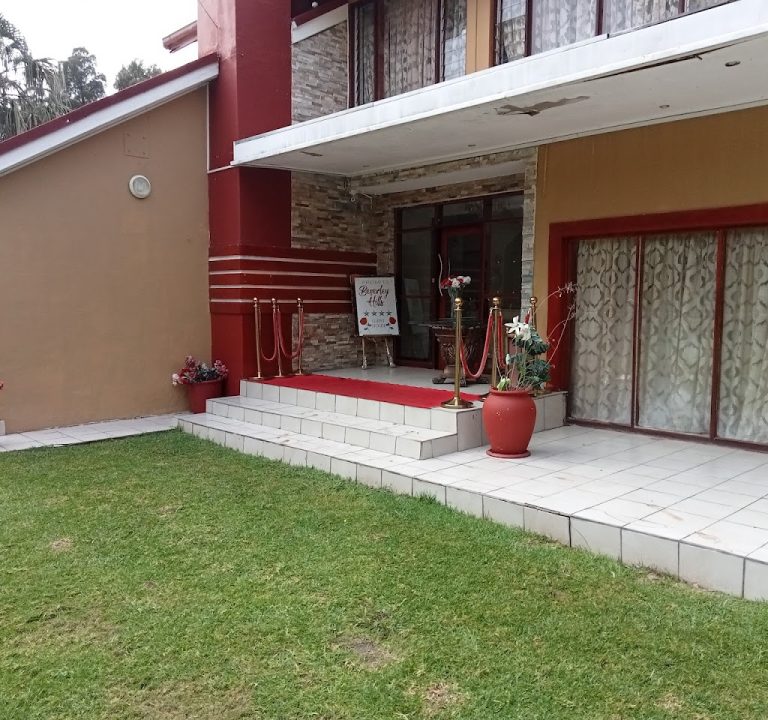
Accommodation options in Queenstown range from guest houses and B&Bs to small hotels and self-catering units. A guest house such as KSL Guesthouse, with a home-from-home feel and guest-focused service, can provide a convenient base while you explore the region. Look for overnight options that offer private entrances or dedicated parking, as well as a comfortable communal space where you can chat with fellow travellers or unwind after a day on the road. In busy periods, early booking is sensible, particularly for properties that include breakfast or have limited on-site facilities.
When planning your stay, think about areas to consider. The town centre typically provides the greatest convenience for access to shops, eateries, and transport links. Suburban and hillside pockets may offer a quieter atmosphere and pleasant views, though they could be further from central amenities. If you intend to combine city time with day trips to surrounding landscapes, a property with flexible check-in arrangements and reliable road access will be valuable. A practical approach is to identify a home base near main routes, with a short drive to natural areas or cultural sites you wish to visit.
Typical amenities to look for include en-suite bathrooms, reliable heating or cooling, secure parking, and a sensible wake-up or breakfast option. Many small establishments pride themselves on thoughtful touches—curated local information, recommendations for nearby cafés, and invited conversations about regional routes. If you are travelling with family or a group, consider self-catering facilities or rooms with multiple beds. Accessibility features can also be worth confirming if needed, including step-free entry and easy access to parking.
Transport in and around Queenstown is modest but straightforward. A car is often the most convenient way to move between accommodation, restaurants, and natural attractions. Public transport is limited, so rental car or organised transfers are common choices for visitors. If you prefer to walk, the town centre is compact enough for short strolls and will allow you to explore local bakeries, cafés, and markets on foot. For longer day trips, plan your routes in advance and allow extra time for rural roads and weather conditions, especially outside peak tourism periods.
The best time to visit Queenstown depends on your preferred activities. Spring and autumn deliver mild temperatures and pleasant conditions for outdoor walks, village strolls, and photography. Summer brings longer days and the opportunity to explore nearby rivers or reserves, though occasional showers can occur. Winter can be cool, with brisk mornings and a cosy atmosphere indoors—perfect for sampling hearty local fare and evenings by a fire. If you are seeking fewer crowds, shoulder seasons often provide a good balance of reasonable rates and quieter streets.
Attractions in the area embrace natural scenery, historical interest, and a taste of rural life. Expect easy access to nature trails, viewpoints, and countryside drives with open landscapes and familiar wildlife glimpses. The local visitor experience may include markets or cultural experiences that showcase regional crafts, music, and hospitality. While specific attractions and restaurants vary, most itineraries blend outdoor time with the chance to enjoy a relaxed South African town atmosphere—cafés, bakeries, and casual eateries serving comforting, locally inspired fare. For day trips, consider exploring nearby rural routes or small towns that offer a glimpse into the region’s agricultural heritage and scenic horizons.
Planning practicalities can help you make the most of your stay. Check the following:
- Confirm check-in and check-out times, and ask about late arrivals if you expect to be delayed.
- Ask whether breakfast is included, and whether there are flexible dining options if you plan long day trips.
- Request local maps or a recommended route to major viewpoints and nearby nature spots.
- Consider travel insurance and see what cancellation terms are available in case plans shift.
- Check convenience items such as laundry facilities, kitchen access, and Wi-Fi reliability for planning days on the road.
For inspiration and practical planning, you can explore official tourism resources and regional guides for Queenstown and the Eastern Cape. These sources offer general information about places to see, typical travel routes, and suggestions for a well-paced itinerary. Remember to factor in time for spontaneous discoveries—a small town like Queenstown rewards slow travel, friendly conversations, and a flexible approach to sightseeing.
Whether you are drawn by the appeal of a comfortable guest house, the ease of a self-catering option, or a modest hotel stay, Queenstown provides a traveller-friendly base with straightforward transport, relaxed dining scenes, and access to nature and culture. Plan ahead, balance your days between local experiences and scenic drives, and you’ll enjoy a thoughtfully arranged stay in this part of the Eastern Cape. For more information about Queenstown and the surrounding region, visit the official tourism portal or regional guides to help shape your itinerary: https://www.southafrica.net and other reputable sites.