Staying in Queenstown, Eastern Cape: accommodation, planning and local attractions
Queenstown in the Eastern Cape offers a relaxed base for travellers seeking a mix of rural scenery, regional culture and easy access to outdoor adventures. Whether you prefer a cosy guesthouse, a traditional hotel, or a family-run bed-and-breakfast, the town provides a range of options that suit different budgets and itineraries. When planning a stay, think about your daily routine, transport needs, and what you want to experience beyond the hotel walls.
Accommodation in Queenstown tends to cluster in a few key areas. The central area is convenient for walking to shops, cafés and historical buildings, while quieter residential streets offer a more intimate, home-from-home atmosphere. If you are travelling with family or a group, a small hotel with a pool or a guesthouse with self-catering facilities can provide flexibility for meal times and day trips. For a reflective, experience-led stay, look for properties that highlight the local environment or culture, including rooms with natural light, comfortable bedding and reliable hot water—essentials after a day of exploration.
Typical amenities you might encounter include en-suite bathrooms, free Wi-Fi, secure parking, breakfast options (often continental or cooked-to-order), and options for late check-in. Some properties may offer dinner on request or a guest kitchen, which is useful for longer stays. If you rely on transport, check whether the property has on-site parking or is near taxi services. In Queenstown, a car is a practical way to reach scenic viewpoints, natural areas and surrounding towns, but you can often join guided day trips if you prefer to travel with a group or with a local driver.
- Location balance: central convenience vs. quieter residential streets
- Room features: reliable hot water, comfortable beds, adequate lighting
- Meal options: breakfast included, available on-site dining, or kitchen facilities
- Transport access: parking, proximity to roads and public transport
- Guest reviews: consistency of service, cleanliness and helpful staff
When it comes to timing, the best time to visit Queenstown depends on what you want from your trip. The region enjoys a mild climate most of the year, with cooler evenings that make a cosy stay in a guesthouse or lodge particularly appealing. Spring and autumn offer comfortable conditions for outdoor activities and sightseeing, while summer is ideal for longer daylight hours and exploring the surrounding countryside. If your plans include local markets or outdoor events, align your visit with the seasonal calendar, but always remember to pack layers for varying temperatures, especially in the mornings and evenings.
If you are organising a longer stay, consider a mix of accommodation styles to broaden your experience. For example, beginning with a central hotel to get your bearings, followed by a homely guesthouse closer to natural areas, can provide both comfort and immersion in local life. For families or groups, a small apartment or house rental with a kitchen can be a practical base for day trips to nearby landmarks and towns. When booking, review cancellation policies and payment terms in advance, and confirm bed configurations to avoid surprises upon arrival.
Transport within and around Queenstown is typically straightforward. Having your own vehicle offers the most flexibility for venturing to rural landscapes and smaller attractions beyond the town centre. If you prefer not to drive, inquire about airport transfers, local shuttle services, or guided day trips that include transport. For those planning longer journeys, the road network connects Queenstown with regional towns and cities, making it feasible to combine a few destinations in the same trip. Pack a small bag with water, a light snack and a map or offline navigation as a handy backup for remote routes.
Attractions in the area tend to reflect the landscape and heritage of the Eastern Cape. Expect opportunities for short nature walks, viewpoints and photo stops, as well as visits to museums or heritage sites that illuminate the region’s past. Outdoor enthusiasts can plan walks or hikes suited to various fitness levels, while foodies will enjoy exploring local eateries that showcase simple, seasonal dishes and regional produce. For a relaxed afternoon, consider a stroll through the town’s streets to observe architecture, public art and historic buildings that tell the story of Queenstown’s development.
Food and drink in Queenstown are typically low-key and friendly, with cafés and eateries offering hearty breakfasts, light bites, and traditional favourites. Restaurants often prioritise seasonal ingredients and portion sizes that suit travellers looking for a satisfying meal after a day of sightseeing. If you prefer a self-catering option, many guesthouses and holiday homes provide well-equipped kitchens or kitchenettes, allowing you to prepare meals using fresh local produce from markets or grocers. Always check access to nearby dining options and whether dietary needs can be accommodated at your chosen property.
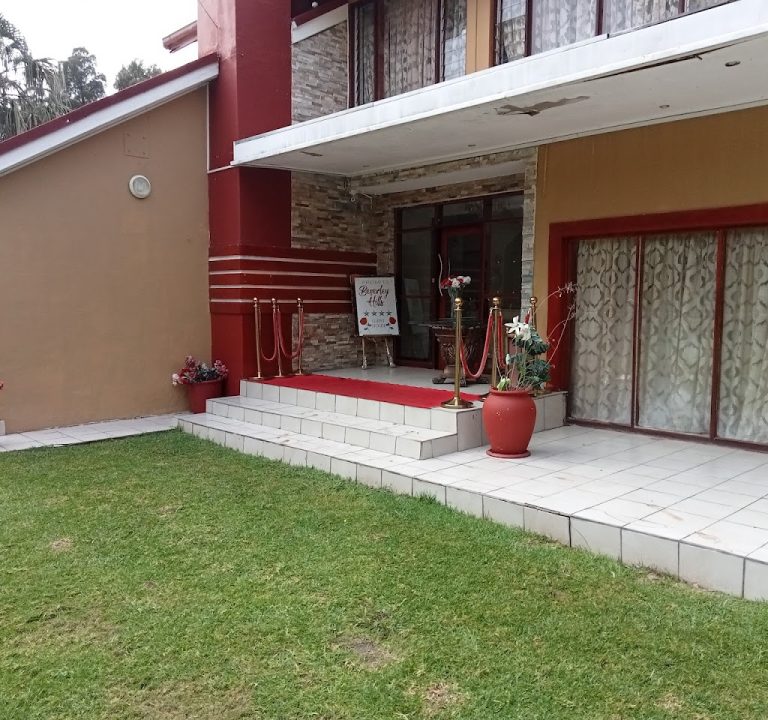
One practical tip for planning a stay is to set a realistic schedule that balances rest with exploration. Allow for travel time between accommodation areas and points of interest, as rural roads can be winding and slower than expected. A flexible approach helps you make the most of weather changes and spontaneous discoveries, such as a scenic viewing spot or a local market. If you are considering an iconic stay, you might look for places with character—for example, a family-run property like the Dumse Family House that emphasises a welcoming atmosphere and proximity to the town centre, while providing an authentic sense of place within Queenstown.
In summary, Queenstown offers a range of accommodation styles that suit varied travel plans, from short city breaks to longer, self-catered stays. By prioritising location, essential amenities, transport options and a sensible plan for activities, you can craft a comfortable and enjoyable visit to this part of the Eastern Cape. With its approachable pace, friendly hospitality and access to regional landscapes, Queenstown makes a good base for discovering the wider charms of the area.