Accommodation and attractions in Queenstown, Eastern Cape: planning your stay
Queenstown in the Eastern Cape offers a friendly blend of rural scenery, historic architecture and convenient access to both nature and town services. When planning a stay, consider nearby neighbourhoods such as the town centre for easy access to amenities, or the quieter outskirts where guesthouses and lodges may offer more space, parking and tranquillity. A good mix of lodging options includes traditional bed and breakfasts, guesthouses, lodges and conference centres, each with its own character and level of service. For a memorable break, you might keep a couple of different stays in mind—perhaps a cosy B&B for a few nights and a larger lodge with conference facilities if you plan meetings or group activities.
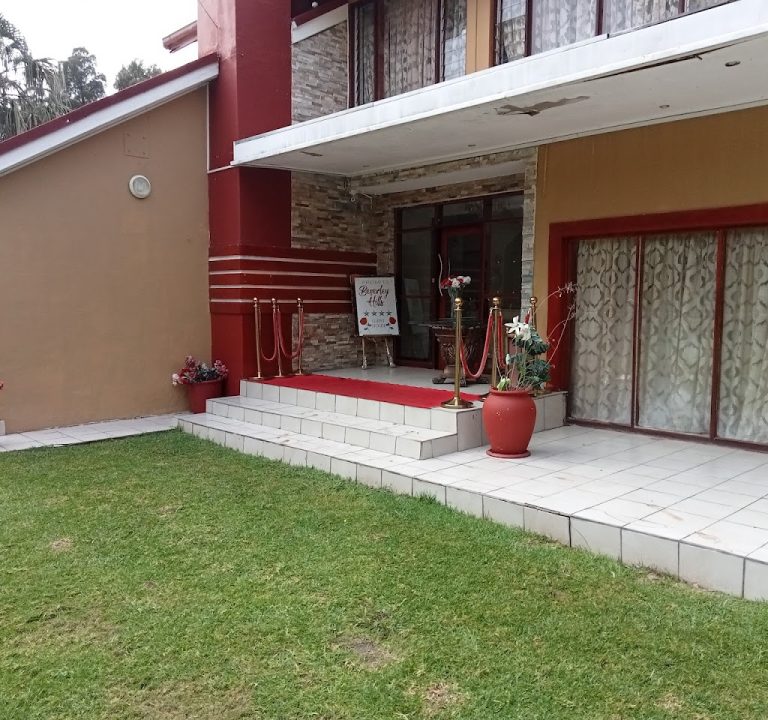
Inkwenkwezi Bed & Breakfast and Conference Centre is one example of lodging in the region that combines restful guest accommodation with event spaces. When researching a property, look for clear information about room types, breakfast options, on‑site parking and access to shared lounges or outdoor spaces. Even if a property is modest, an attentive host with local tips can elevate your stay by suggesting short walks, viewpoints and dining options that reveal the area’s character.
Typical amenities to expect in Queenstown include comfortable beds with quality linens, private or en suite bathrooms, and reliable heating or air‑conditioning depending on the season. Free or paid Wi‑Fi is common, as are common lounges, dry‑cleaning services, and laundry facilities. Some lodges and B&Bs may offer guest kitchens or continental breakfast baskets, while others provide full restaurant service on site. If you’re attending a conference or event, check whether the property has dedicated meeting rooms, audiovisual equipment or business facilities, and whether these can be used by non‑residents as well as guests.
When choosing a place to stay, think about access to transport. Queenstown is well suited to self‑drive visitors, with ample off‑street parking at many properties. If you plan to rely on public transport, verify proximity to taxi services or local routes, and confirm whether the host can assist with airport transfers or guided day trips. Considering the town’s compact size, a short walk from your accommodation to cafés, shops and the town square is often feasible, but a car can significantly widen your options for day outings.
Best time to visit Queenstown largely follows South Africa’s seasonal rhythms. Spring (September to November) brings mild weather and blossoming landscapes, while autumn (March to May) offers cooler days, pleasant evenings and a quieter atmosphere outside peak holiday periods. Summer (December to February) can be warmer and provides longer daylight for outdoor activities, but may be busier with visitors. Winter (June to August) tends to be cooler and drier, which some travellers appreciate for blue skies and clear views after rain. If your plan includes hiking, wildlife watching or photography, check typical climate conditions for the time of year and plan for adaptable outdoor gear.
Attractions in and around Queenstown are generally nature‑driven and culturally informed rather than headline‑grabbing. Expect scenic drives that reveal rolling farmland and distant hills, gentle walks along riverbanks, and historic architecture in the town core. For a fuller experience, consider a day trip or short excursion to nearby nature reserves or viewpoints where knowledgeable guides or hosts may provide context about the landscape, local history and traditional livelihoods. Dining options range from small, casual cafés to more substantial restaurants; many lodging properties offer dinner or offer recommendations for places to eat in town. When making dining plans, it helps to book ahead during peak periods and to ask hosts for current recommendations, as openings and menus can change with seasons and supply locally sourced ingredients.
Practical planning tips for a smooth stay in Queenstown:
- Book accommodation with clear cancellation terms and up‑to‑date guest reviews to gauge reliability and cleanliness standards.
- Ask hosts about nearest supermarkets or markets, so you can stock up on essentials for longer stays.
- Confirm parking arrangements if you’re driving; some properties offer secure parking while others may have limited spaces.
- Check if there are guided walks, local tours or cultural experiences that can be arranged through your lodging or a trusted local operator.
- Pack layers for variable weather; evenings can be cool even in warmer seasons, and mornings can be misty along the hills and river zones.
- Consider combining your Queenstown stay with a short excursion to coastal or neighbouring rural areas for a broader sense of the Eastern Cape’s landscapes and communities.
To help you plan, reputable travel resources and regional tourism pages can offer up‑to‑date guidance on events, seasonal openings and practical travel tips. Visiting the region with a flexible itinerary often yields the best experiences: a restful base at a well‑located guesthouse or lodge, paired with day trips to natural viewpoints and historic sites, plus a handful of recommended eateries where you can sample regional produce. For further inspiration and practical planning, you may wish to consult official tourism information and local accommodation listings online, ensuring you verify current details before booking.