Accommodation and Attractions in Cape Town: Planning Your Stay in the Western Cape
Cape Town offers a remarkable mix of guest houses, boutique hotels, and self‑catering options that suit a wide range of travellers. When planning a stay, consider how you want to balance city exploration with easy access to beaches, mountain vistas and wine country. The city’s diverse neighbourhoods each have their own character, so choosing the right base is a key part of a successful trip.
Areas to consider include the lively City Bowl and the buzzing V&A Waterfront for easy access to dining, nightlife and culture; the Atlantic Seaboard towns such as Camps Bay and Sea Point for coastal scenery and a beach‑forward vibe; the leafy Constantia and Kirstenbosch region for a more relaxed, nature‑forward stay with easy access to hiking and wine estates; and the historic Bo-Kaap with its colourfully tiled streets and Cape Malay heritage. For a village‑like escape within reach of the winelands, consider suburbs or inns in the Constantia valley or surrounding areas. If you’re planning day trips to the **Cape Winelands**, a short drive or guided tour can connect you with Stellenbosch, Franschhoek and Paarl while keeping you close to your Cape Town base.
What to look for when booking is a blend of comfort, convenience and character. Typical amenities in guest houses and boutique hotels include private en‑suite bathrooms, reliable wi‑fi, a continental or full breakfast, and common lounges or verandas where you can relax after a day of sightseeing. For longer stays, self‑catering units with kitchen facilities add flexibility, while facilities such as secure parking, 24‑hour reception, or staff who can arrange airport transfers and local tours can greatly simplify travel. If you’re visiting in peak season, look for options with a little extra space or flexible cancellation policies, as Cape Town can be busy and popular stays fill quickly.
Transport in Cape Town is straightforward but worth planning in advance. The city has an expanding public transport network, rideshare services, and well‑maintained roads for driving yourself. If you plan to visit multiple towns or wine estates, a rental car can be convenient, though guided tours and hop‑on hop‑off services are excellent for day trips to places like the Winelands or the Cape Peninsula. Consider proximity to MyCiTi bus routes or major arterial routes when choosing your base to cut down on travel time between sights, meals and beaches.
When to visit: the South African summer (roughly November to March) offers warm coastal days ideal for beaches and outdoor activities, while spring (September to November) and autumn (March to May) provide mild weather and fewer crowds. Winter (June to August) brings cooler conditions and occasional coastal winds, which can be perfect for museum days or hiking in the cooler, quieter months. Regardless of season, early mornings and late afternoons are ideal for photography and sightseeing, especially around iconic viewpoints and nature reserves.
Practical tips to help you plan a smooth stay:
- Assess your priorities: beach time, mountain scenery, city culture, or wine tasting, and choose a base that minimizes long transfers between activities.
- Pack for a range of conditions: sunscreen and a hat for sunny days, a light jacket for cooler evenings, and comfortable walking shoes for hills and coastal walks.
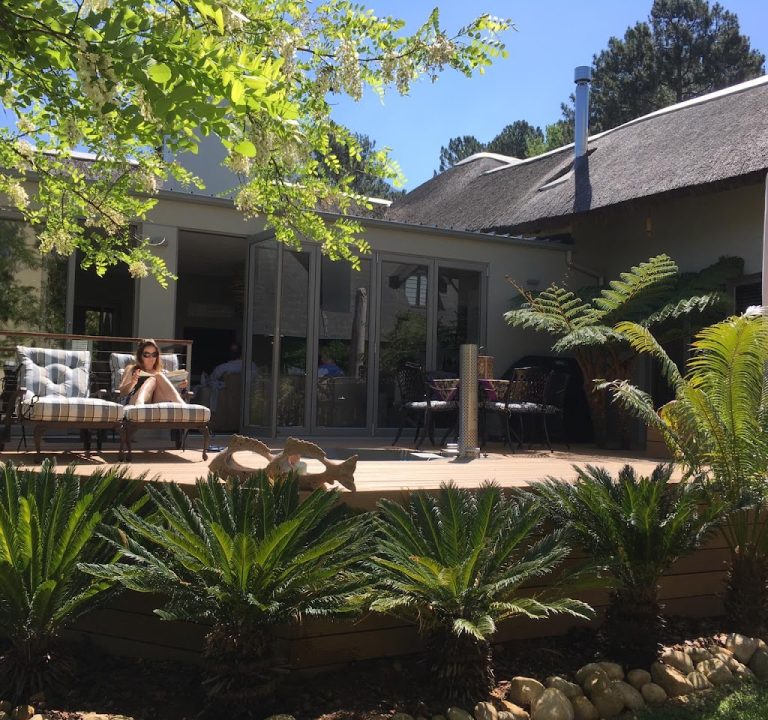
- Check the access to outdoor spaces: many guest houses and hotels offer terraces, gardens, or pool areas with views of the ocean or mountains.
- Explore local dining options nearby but also budget for a few special meals at noteworthy eateries or wine estates with acclaimed settings.
- Respect safety and local etiquette: keep valuables secure, use reputable transport, and follow guidance at popular attractions.
Attractions in and around Cape Town are abundant, from sweeping coastal scenery and dramatic cliffs to world‑class hiking in Table Mountain National Park, and cultural experiences that illuminate city history and daily life. In addition to natural wonders, the area’s culinary scene ranges from vibrant markets to refined eateries that showcase regional produce and coastal flavours. For planning ideas, browse official tourism resources for Cape Town and the Western Cape to identify ranges of experiences, restaurants and tours that suit your pace and interests.
One practical approach is to base yourself in a neighbourhood with good access to several interests—for example, a stay that allows easy access to beaches and scenic drives, with convenient routes into the city centre for museums and nightlife, and a day trip hub for wine estates. Always verify transport options from your accommodation to major sights, and consider whether a host or front desk can assist with organised activities or recommendations. With thoughtful planning, your Cape Town stay can combine comfortable lodgings, memorable dining, and effortless access to the region’s iconic landscapes.
For more ideas and inspiration on where to stay and what to do, you can explore local tourism sites and hotel and guest house listings. Websites featuring Cape Town accommodation often provide maps, area guides, and suggested itineraries to help tailor your visit to the pace and interests you want to embrace during your stay in the Western Cape.