De Molen Guesthouse is a Hotels establishment in Cape Town, Western Cape, South Africa
About De Molen Guest House, Cape Town, Western Cape
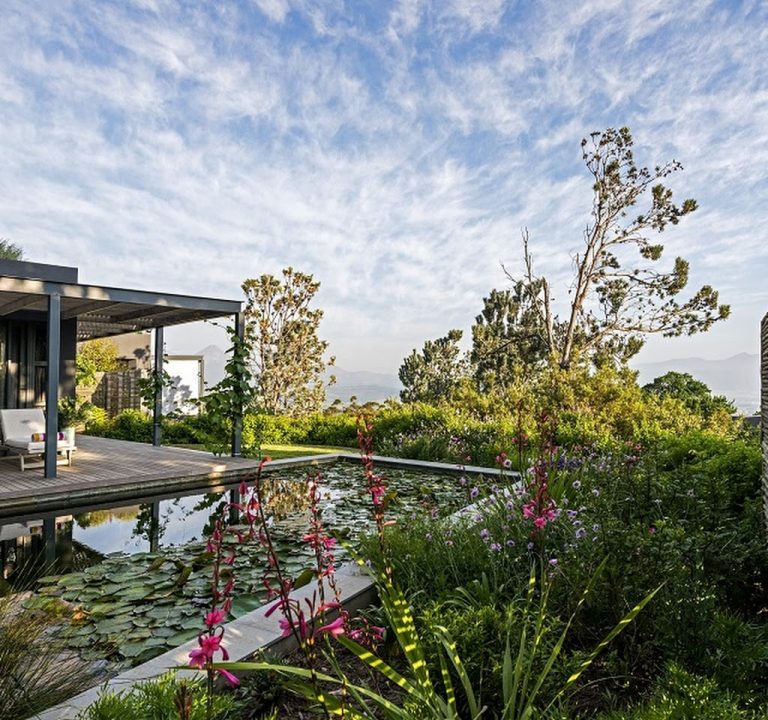
De Molen Guest House sits on a peaceful country estate on the foothills of the Helderberg, just outside Somerset West and within easy reach of Stellenbosch. The setting combines tranquil countryside with sweeping views across vineyards, sea and surrounding mountains, offering guests a retreat that feels both luxurious and comfortably homely. The property is described as loadshedding resistant, a practical assurance for visitors exploring the Western Cape’s diverse attractions.
Across its 1.5 hectare garden, De Molen presents a stylish collection of accommodation designed for various travel needs. The emphasis is on comfort and a sense of place, with landscapes that invite guests to pause and savour the surroundings. The romance of the location is complemented by a range of on-site spaces and facilities meant to foster relaxation, conversation and a touch of conviviality.
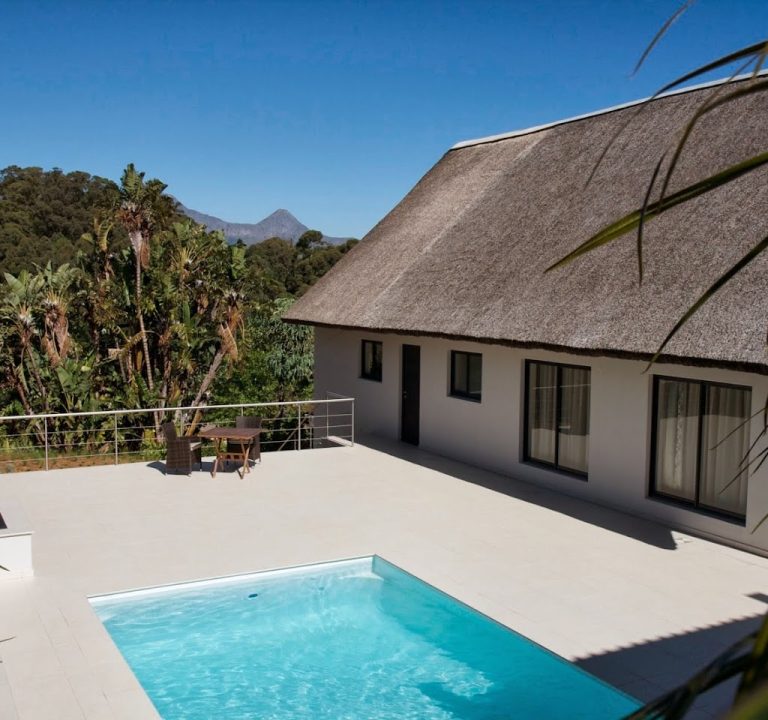
For those seeking a traditional hospitality experience, the guest house offers luxury rooms with views that span the garden, forest and mountains. Some rooms provide panoramic outlooks over False Bay and the surrounding peaks, allowing visitors to wake up to memorable vistas. Indoor spaces include a cosy lounge equipped with an honesty bar, a fireplace and a library, inviting moments of quiet reading or convivial chats with fellow travellers. Outside, guests can enjoy a sundowner at the Lapa and an outdoor braai, underscoring the property’s laid‑back, social side.
Accommodation at De Molen is presented in a few distinct formats to suit different group sizes and preferences. The Luxury Rooms emphasise stylish design and garden or woodland views, while the Premium Room offers the far‑reaching panorama of False Bay and the surrounding ranges. For families or larger groups, the Family Loft Rooms are specifically designed with family needs in mind; these lofts include a kitchenette for simple meals and a loft area for children to play and sleep, with direct proximity to the orchard and a jungle gym. On the other hand, guests desiring self‑catering will find a cottage or apartment option that provides autonomy along with access to the full range of De Molen services and facilities, with breakfast available as an optional extra.
In terms of self‑catering and on‑site facilities, the property accommodates various preferences. The Family Loft setup includes a kitchenette, facilitating meal preparation for families, while other self‑catering options position guests to enjoy both privacy and the benefits of on‑site services. The option to add breakfast offers a flexible choice for those who prefer a prepared start to the day, alongside the freedom that comes with self‑catering arrangements. Across the property, guests are able to access the hospitality team and the range of amenities that contribute to a comfortable stay without compromising privacy or independence.
De Molen is well suited to travellers who value a serene base from which to explore the Western Cape’s many attractions. The broader area is known for its wine routes, mountain scenery and coastal vistas, making it an attractive choice for couples, families and groups seeking a memorable South African getaway that blends rural charm with easy access to popular destinations.
Nearby highlights are suggested by the nature of the setting rather than a fixed list in the content, focusing on the surrounding Helderberg landscape, vineyard surroundings and the proximity to Cape Town’s broader Western Cape attractions. Guests have the option to explore the winelands, mountain viewpoints and coastal scenery while using De Molen as a reliable and comfortable home base. The property’s location on the Somerset West/Stellenbosch border also positions it well for day trips to towns and sights across the region, including scenic drives, wine estates, nature reserves and cultural experiences common to this part of the Western Cape.
Booking and travel tips reflect practical considerations rather than promotional claims. The property style emphasises a refined country ambience paired with practical amenities such as loadshedding resilience and a selection of on‑site spaces designed for relaxation and socialising. Those planning a stay should consider the range of accommodation types—from Luxury and Premium Rooms to Family Lofts and self‑catering options—choosing according to group size, preferred level of independence and whether breakfast is desired as an optional extra. Visiting the website provides the most accurate and up‑to‑date information on room types, availability and any specific policies or seasonal offers.
- Accessible in a tranquil country setting with sweeping views of mountains, sea and vineyards.
- Versatile accommodation: luxury rooms, premium rooms, family lofts, cottages and apartments.
- On‑site spaces for relaxation: tropical pool, lounge with honesty bar, fireplace and library, Lapa for sundowners and outdoor braai.
- Self‑catering options available with the possibility of breakfast as an extra.
- Family‑friendly design in loft rooms with a jungle gym nearby.
For potential visitors seeking a refined yet relaxed stay near Cape Town’s Western Cape highlights, De Molen Guest House offers a compelling combination of scenery, comfort and flexible accommodation. Further details, including full room specifications, availability and booking options, are accessible via the official website.
Cape Town
Western Cape
7130
South Africa


Accommodation and Experiences in Cape Town and the Western Cape: Planning Your Stay
Cape Town and the wider Western Cape offer a diverse mix of accommodation options from cosy BnBs and guesthouses to luxury lodges and self‑catering homes. Whether you are drawn to the city’s iconic landmarks, winelands, or coastal scenery, planning ahead helps you to secure a stay that matches your itinerary, budget and pace.
When choosing where to stay, consider the area and what you want to do each day. The Atlantic Seaboard and Camps Bay provide beachfront living with dramatic sea views and easy access to summer sunsets. Green Point and the V&A Waterfront put you steps away from museums, markets and restaurants, with good public transport links to central Cape Town. If you prefer a quieter rural backdrop with easy access to wine estates, Constantia or the slopes of Table Mountain offer tranquil residential settings but still keep you connected to the city via short drives or rideshares. For a broader South African experience, the winelands around Stellenbosch and Somerset West (including towns such as Franschhoek and Paarl) deliver vineyard stays, colonial architecture and day trips into the countryside.
Look for typical amenities that suit your travel style. Many Cape Town-area properties offer free Wi‑Fi, secure parking, breakfast options, and convenient self‑catering facilities. Some guesthouses provide pool areas, honesty bars, or library lounges, which can be a pleasant way to unwind after a day exploring the city. If you are travelling with family or a group, self‑catering cottages or family lofts with kitchenettes can offer flexibility without sacrificing comfort. If load shedding is a concern, seek places that have backup power or implemented energy‑efficient measures to keep essential services running.
Transport is a key consideration. A stay near a MyCiTi bus route or with easy Uber taxi access can save time and reduce driving stress. In this region, routes link the city centre, Atlantic seaboard, and coastal suburbs, while shorter hops around the Cape Town peninsula are often straightforward by car or ride‑share. If you are planning to rent a vehicle, ensure your accommodation provides secure parking and easy access to main roads, especially if you intend to visit the winelands or coastal towns outside the immediate city area.
One example of a Western Cape option to consider is De Molen Guest House, situated on a peaceful country estate on the periphery of Somerset West, near Stellenbosch. It combines countryside ambience with sweeping views of mountains and sea, and offers luxury rooms, a tropical garden, a pool, and various self‑catering or breakfast options. Its setup demonstrates how a Western Cape stay can blend private space with shared facilities, making it a good model for travellers seeking a balance between solitude and hospitality. For more information, you can visit the property’s website at the linked page below.
Best time to visit Cape Town and the Western Cape depends on what you want from your trip. Summer (December to February) brings long days, sea swimming, and vibrant outdoor activities, but it can be busy and more expensive. Shoulder seasons in spring (September to November) and autumn (March to May) often offer milder weather, fewer crowds and good value. Winter (June to August) is cooler and wetter, yet the scenery remains dramatic with wildflowers in the Karoo and grey mornings over the sea. If your plan includes hiking or outdoor adventures, pack layers and be prepared for quick weather changes on coastal bluffs and Table Mountain.
When planning your itinerary, consider a few practical tips:
- Balance city activities with relaxation time. Allocate full days for the waterfront, museums and city walks, then reserve other days for wine estates, nature reserves, or coastal drives.
- Book early for peak seasons or long weekends, especially for popular suburbs around the city and well‑known winelands venues.
- Check cancellation policies and power backup situations, particularly in areas prone to load shedding.
- Read guest reviews for honest insights into parking, accessibility, and neighbourhood safety.
- Plan dining in advance where possible, as prestigious restaurants can book up quickly in peak periods.
In terms of activities and experiences, Cape Town and the Western Cape offer a broad spectrum. Iconic viewpoints and hiking trails in and around Table Mountain, scenic coastal drives along the Atlantic Seaboard, and vibrant markets and eateries at the V&A Waterfront are popular options. In the hinterland, winelands estates provide cellar tours and tastings, while coastal towns offer seal‑spotting expeditions, boat trips, and sandy beaches. For a flavour of the region’s culture, look for small guesthouse operators and local guides who can curate authentic experiences such as farm visits, short hikes, or community‑based tours that support regional livelihoods.
To help you plan, here is a suggested starter list of booking considerations:
- How close do you want to be to the city centre, the coast, or the winelands?
- What level of self‑catering or breakfast service suits your itinerary?
- Is access to outdoor spaces (balcony, garden, pool) important for your stay?
- Does the property offer reliable power solutions or generators during load shedding?
- Are transport options available nearby, and is parking secure if you will be driving?
For more details about De Molen Guest House and to explore its accommodation options, you can visit their official website: De Molen Guest House.
Sorry, no records were found. Please adjust your search criteria and try again.
Sorry, unable to load the Maps API.
Why Claim Your Listing?
Claiming your listing on the B&B Finder directory website is a valuable opportunity for business owners. Here are five reasons why you should consider claiming your listings:
Control Over Business Information: By claiming their listing, business owners can ensure that all the information presented is accurate and up-to-date. This includes details such as contact information, address, pricing, and available services or amenities. Accurate information helps prevent customer confusion and improves overall satisfaction.
Enhance the Listing: Once a listing is claimed, owners can enhance it by adding more comprehensive information and rich media, like high-quality photos and videos. These additions can make the listing more attractive and engaging to potential customers, thereby increasing the likelihood of bookings.
Marketing Opportunities: Claiming a listing can also open up additional marketing opportunities. Owners may be able to participate in promotional campaigns, special offers, and other marketing activities organized by the directory. This can increase visibility and attract more customers to the business.