Accommodation and Attractions in Cape Town: Planning a Enjoyable Stay
<p/Cape Town presents a rich tapestry of places to rest your head, from stylish boutique hotels and family-friendly guesthouses to scenic lodges perched on hillsides and along the coast. When planning a stay, consider the neighbourhoods that best match your interests—whether you want urban buzz, fewer crowds and sea views, or easy access to wine country. A balanced itinerary often blends restful downtime with time spent exploring Cape Town’s famed landscapes and cultural offerings.
In selecting accommodation, think about proximity to your planned activities, transport options, and what you value most in a stay. If you want to investigate city sights with minimal daily driving, a stay in central or V&A Waterfront-adjacent areas can be convenient, albeit busier. For a more tranquil pulse, neighbourhoods along the Atlantic Seaboard offer ocean vistas and easy access to beaches. If you’re drawn to wine country and mountain scenery, a rural or coastal lodge in the Helderberg area or nearby Winelands towns can provide a peaceful base while still allowing day trips into Cape Town’s core sights.
Typical amenities to look for include reliable Wi-Fi, comfortable bedding, heating or air conditioning for year-round comfort, and a well-equipped kitchenette or breakfast options if you prefer self-catering. Many properties in Cape Town also feature excellent on-site dining, attentive reception staff, secure parking, and thoughtful touches such as guided city cards, hiking maps, or recommendations for local experiences. When booking, check for clear cancellation policies, room configurations that suit your group, and any accessibility features if relevant.
Transport is a practical consideration in Cape Town. The city’s layout rewards if you have a car, giving you freedom to explore constant sunlit beaches, Table Mountain National Park viewpoints, and the scenic Cape Peninsula. If you plan to rely on public transport or rideshares, choose a location with convenient access to main routes or taxi hubs, and inquire about local shuttle services offered by your accommodation. Many lodges and B&Bs arrange guided excursions or can point you toward reputable operators for day trips to the Cape Winelands, the Cape Point reserve, or neighbourhood markets and harbour tours.
The best time to visit Cape Town depends on your priorities. Spring (September to November) brings mild temperatures and blooming fynbos, ideal for outdoor activities and hiking. Summer (December to February) offers longer days and beach-friendly weather, though popular beaches and attractions can be busier. Autumn (March to May) remains pleasant for exploring the city and surrounding vineyards, with fewer crowds in some areas. Winter (June to August) brings cooler conditions and occasional rain, but it’s often a comfortable time for city culture, indoor dining, and scenic drives without peak-season pressures. Regardless of season, plan for sun protection, hydration, and some flexible days to accommodate weather or museum closures.
When it comes to attractions, Cape Town offers a spectrum from iconic landmarks to nature escapes and vibrant neighbourhoods. Visitors commonly enjoy lifts of breathtaking views from table-top mountains, coastal drives along the Atlantic Seaboard, and the dramatic scenery of the Cape Peninsula. Within the city, waterfront promenades, museums, galleries, and markets provide culture and shopping without needing to travel far. For a relaxed day, consider a drive to nearby landscapes or a friendly township or harbour tour to gain broader perspectives on the region’s heritage. For dining, Cape Town’s restaurant scene ranges from casual cafés to refined venues offering regional flavours and seasonal menus. Look for spots that emphasise fresh, locally sourced produce, especially seafood, vegetables from nearby farms, and wines from the surrounding Winelands.
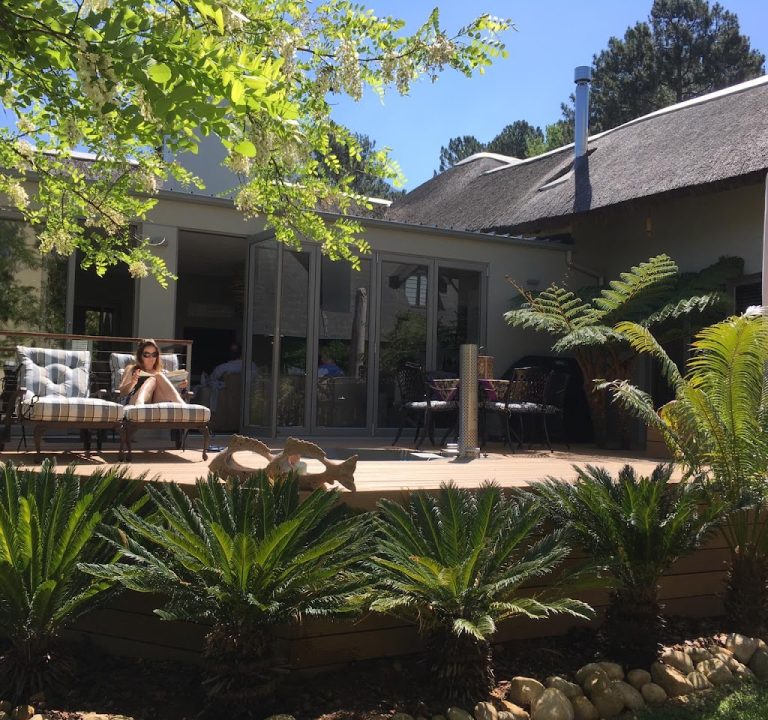
accommodation examples such as the Helderberg Forest Lodge illustrate the range of stays available beyond the centre. A lodge in the Helderberg area can provide a countryside ambience with easy reach to Cape Town’s broader attractions. Such properties often combine comfortable rooms with a sense of place, offering close proximity to nature walks, vineyards, and panoramic views, while still allowing convenient access to city sights via a short drive. If you’re curious about similar options, browse a mixture of boutique hotels, guesthouses, and well-rated lodges in the Cape Town region and surrounding towns.
Useful planning tips for a smooth visit:
- Book with a clear sense of your preferred pace: some days filled with activity, others dedicated to rest at your accommodation or a nearby beach.
- Request a map or local guide from your host to tailor your stay to current weather, road conditions, and opening times.
- Factor travel time into your plans, as Cape Town’s attractions can be spread out and traffic can vary by season.
- Consider half-day or full-day trips to the Winelands, penguin viewing on nearby shores, or guided walking tours of historic districts.
- Prepare for outdoor activities with appropriate gear: sun protection, comfortable footwear, a light layer for cooler evenings, and water.
For further inspiration and practical planning, visit official tourism resources and reputable travel guides online. These sources can help you identify accommodation that aligns with your budget and style, as well as current recommendations for dining, local markets, and seasonal events. In choosing your stay, aim for a balance of comfort, accessibility, and immersion—the core ingredients of a memorable Cape Town visit.