Staying in Johannesburg: where to base yourself and what to do
Johannesburg, often simply called Jo’burg or Jozi, is a dynamic gateway to South Africa’s history, culture and natural beauty. As a destination for travellers seeking a blend of urban energy and warm hospitality, the city offers a wide range of accommodation options, from stylish guest houses and boutique B&Bs to modern hotels and lodge-style stays. When planning a stay, consider the geography of the city, how you want to spend your time, and what kind of experience you value most—quiet neighbourhoods with leafy streets, or closer proximity to museums, markets and nightlife.
Key areas to consider include the northern suburbs, which tend to be calmer and well connected by major routes, and the central and southern districts, where you’ll find a mix of cultural attractions and evolving neighbourhoods. The northern up-and-coming precincts often feature guest houses and boutique lodges in residential streets, offering a more intimate, homely feel. In contrast, the central business district and inner suburbs provide convenient access to museums, theatres, markets and a broader choice of dining options. When choosing an accommodation, think about the commute you’ll be comfortable with and the kind of ambience you prefer—personalised service in a guest house can feel very different from a larger hotel.
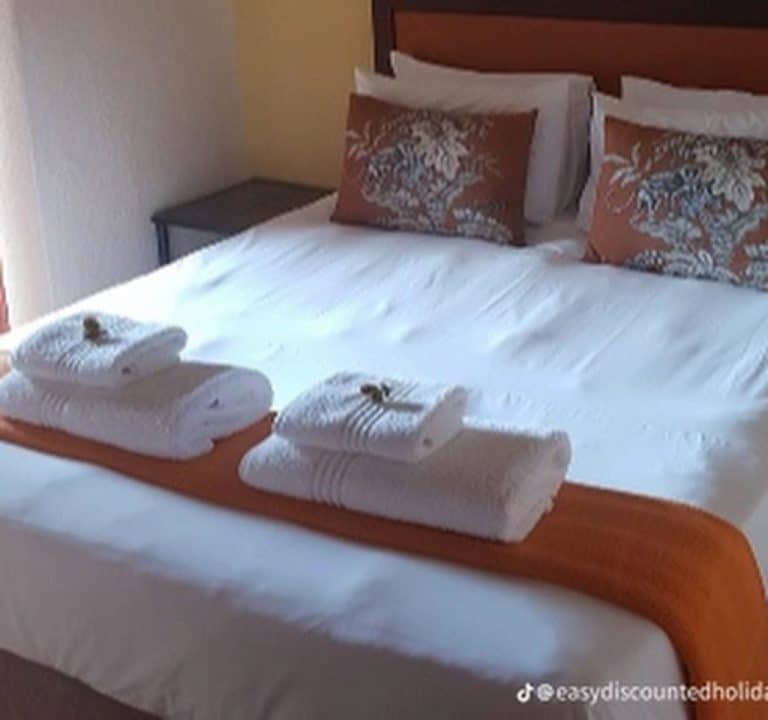
For travellers seeking a more homely, personalised stay, guest houses and B&Bs are a popular choice. Properties such as Kats o Guest Lodge (example of a guest house) exemplify the kind of hospitality many visitors value: well-appointed rooms, attentive hosts, and a balance between private space and shared areas. When booking, look for clear information about room types, on-site meals, parking arrangements, and security features. A reliable host will usually provide local recommendations, help with arranging transport, and share practical tips for navigating the city.
Typical amenities you may encounter include comfortable en-suite rooms, reliable in-room Wi‑Fi, secure parking, and common areas for sociable evenings or quiet work. Some guest houses offer breakfast included in the rate, while others provide self-catering facilities or a continental option. Travellers should also check for features such as air conditioning or heating, particularly if you’re visiting during the city’s warm summers or cooler winter nights. If you require accessibility features, confirm whether the property can accommodate your needs in advance and whether lifts or ground-floor rooms are available.
Transport is a practical consideration. Johannesburg benefits from a combination of car hire, rideshare services, and a network of taxis. If you plan to explore beyond your neighbourhood, staying near major roads or public transport hubs can save time. For those who prefer not to drive, choose a base within easy reach of attractions and with straightforward access to reliable transport options. Some guests appreciate properties that offer airport transfers or partner with reputable transport services to make initial arrivals smoother. Always check parking policies if you’re travelling by car, and ask about gate access or security measures if you’re staying in a residential area.
Best time to visit Johannesburg depends on your plans. The city enjoys mild to warm weather for much of the year, with the peak tourist season generally aligning with South Africa’s dry season. If you’re hoping to combine museum visits with outdoor activities, aim for the cooler, transitional months when temperatures are comfortable for walking. Consider local events, markets and theatre evenings, as these can add a memorable dimension to your stay. Even outside peak season, opportunities to enjoy the city’s culture, cuisine and parks remain plentiful, with many venues offering varied programming throughout the year.
On the practical side, plan for safe and convenient evenings. While Johannesburg offers plenty of dining and entertainment options, staying in well-lit, well-frequented areas is wise, and arranging trusted transport for late returns can provide peace of mind. If you enjoy markets and street food, you’ll discover vibrant neighbourhoods where local vendors showcase regional flavours. For those who prefer more structured dining experiences, a mix of stylish restaurants and café culture exists across the city, with many establishments offering menus inspired by local ingredients and modern culinary techniques.
Planning a stay also means thinking about activities beyond the hotel. Museums and galleries provide insights into South Africa’s past and present, while parks and outdoor spaces offer a respite from city life. If you’re curious about history, you’ll find it reflected in well-curated exhibitions and heritage sites, often complemented by guided tours or interactive displays. For a broader sense of the city’s spirit, consider trying a guided neighbourhood walk or a food-focused tour that highlights local producers, eateries and markets. Family-friendly options, as well as venues suited to couples and solo travellers, are common throughout Johannesburg, ensuring there’s something for every traveller.
To help you visualise a stay, you could group your plans around a few anchor experiences—one day centred on culture and museums, another on markets and dining, and a third for parks or a short day trip to nearby natural highlights. If you’re booking directly with accommodation providers, look for transparent pricing and clear cancellation terms, a responsive host or front desk, and confirmation of what’s included in your rate. If you’re unsure about a neighbourhood, read recent guest reviews or speak to the property about nearby attractions, accessibility and transport options. A well-chosen base can make all the difference to how relaxed and enjoyable your Johannesburg visit feels.
For more information on accommodation and stays in Johannesburg, you can explore properties such as Kats o Guest Lodge through their official website: https://www.katsoguestlodge.com/