Guide to accommodation and experiences in Johannesburg, Gauteng
Johannesburg, often simply called Jo’burg or Joburg, offers a broad range of places to stay, from boutique homestays to contemporary hotels and stylish guesthouses. When planning a visit, think about what each neighbourhood can offer in terms of access to sights, dining, and easy transport. A well-chosen base can cut travel time and maximise your time for exploring the city’s diverse attractions and lively urban scene.
Areas to consider include the city centre for a walkable, culture-forward experience; Sandton for upscale commerce and modern comforts; Rosebank and Melville for a mix of dining, markets, and a more relaxed pace; and Braamfontein or Maboneng for a trendy, art-and-food focused stay. For a more historical lens and a deeper sense of community, the townships around the city offer guided experiences that can be enriching when approached with respect and local input. If you prefer a quieter residential feel while remaining close to the action, suburbs such as Greenside or Parkhurst can be ideal bases with leafy streets and charming eateries nearby.
When booking, consider a few practical factors. Safety and access are top priorities in Johannesburg, so look for properties with secure entrances, good lighting, and on-site or clearly arranged parking if you’re driving. Check the neighbourhood’s transport links: many visitors find that proximity to a Gautrain station or reliable rideshare access makes getting to and from the property simpler, especially if you plan day trips to Soweto, the cradles of South Africa’s history, or the expansive Johannesburg Museum and Park areas. If you’re renting a car, verify parking arrangements and whether there are any additional charges or time limits. If you’ll rely on public transport, choose a stay that’s within easy reach of bus routes or rail links.
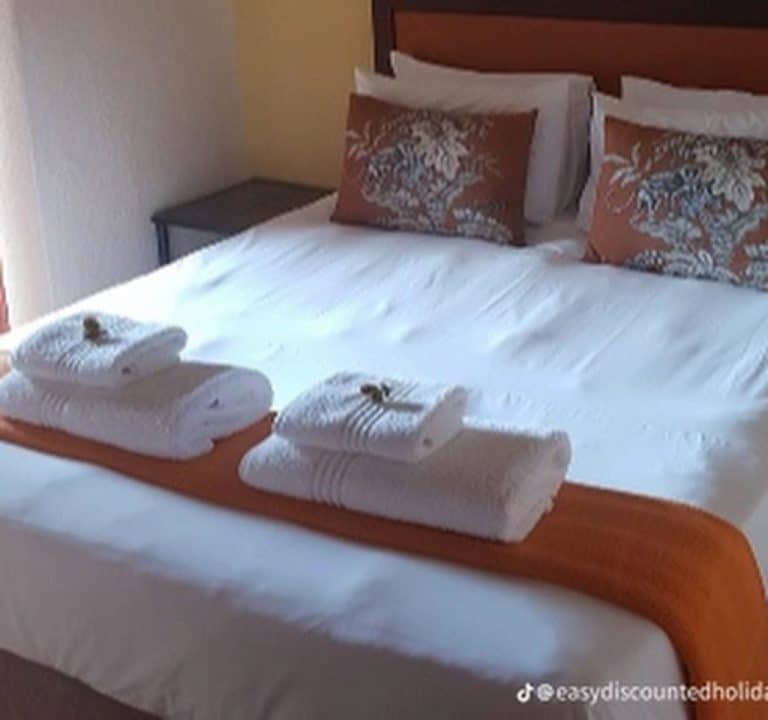
Typical accommodation options span a spectrum of styles. Homestays and guesthouses can provide a warm, personalised experience with hosts on hand to offer tips on local dining and routes, while mid-range and boutique hotels usually deliver dependable amenities such as reliable Wi-Fi, a well-equipped bed and breakfast-style breakfast service, and a front desk that can arrange transfers or tours. In newer or design-led properties, you might find contemporary décor, energy-efficient systems, and thoughtfully designed communal spaces. Regardless of type, common amenities you may encounter include self-catering facilities or a shared kitchenette, secure parking, complimentary continental breakfast, laundry services, and flexible check-in or late check-out options. If you travel with family or a group, look for suites or rooms with separate living spaces and enough storage for longer stays.
Best time to visit Johannesburg tends to be from spring through autumn (roughly September to April), when temperatures are milder and outdoor activities such as city walks, markets, and park visits are pleasant. Summers can be hot and showers are possible, while winter brings cooler days and crisp evenings. If you’re chasing specific seasonal markets or outdoor events, align your travel with local calendars and festival timings. Remember that Johannesburg’s climate can vary across neighbourhoods, so packing layers, a good umbrella, and sun protection will serve you well year-round.
On arrival, consider a gentle first-day plan: take a short walk or a short ride to a nearby café or restaurant to get a sense of the area, then map out a couple of must-see experiences for the next day. General attractions in Johannesburg include history and culture, public art, markets, and expansive green spaces. You’ll likely encounter opportunities to learn about the city’s past and its present through museum exhibitions, street art tours, and guided local experiences. For dining, Johannesburg’s dining scene ranges from casual eateries serving hearty local flavours to contemporary bistros and international cuisine. You can usually find menus and opening hours on the property’s site or local tourism pages, which helps with planning without committing to specific venues in advance.
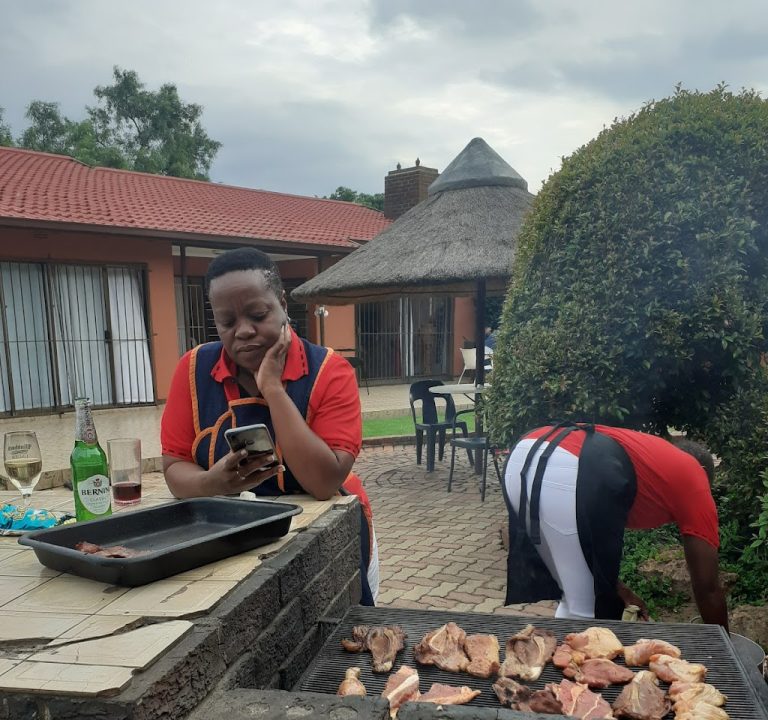
Self-guided exploration can be rewarding, but many visitors also enjoy curated experiences that support local communities. If you’re staying in or near Tumisho Waga Tema—a homestay category—you might be invited to share home-cooked meals or participate in neighbourhood walks that highlight daily life and craftsmanship. When engaging in such experiences, maintain courtesy, respect local norms, and ask before photographing people or interiors. Always prioritise safety and personal comfort, and choose experiences that are led by reputable hosts or operators with positive feedback from previous guests.
Practical planning tips to help you fine-tune your trip:
- Read recent guest reviews to gauge consistency in service, cleanliness, and responsiveness.
- Confirm what is included in the stay (breakfast, cleaning, towels, etc.) and whether there are additional charges for amenities or parking.
- Check the property’s cancellation policy in case your travel plans change.
- Ask about airport transfers or shuttle options and whether these are complimentary or paid services.
- Pack adaptors suitable for South African plugs and a compact power strip if you need multiple devices on a single outlet.
To discover more about Johannesburg and plan your stay, start with official destination guides or tourism pages, which provide current information on areas, transport options, and reputable places to stay. A well-chosen base—paired with modest daily planning and a flexible itinerary—can unlock the best of the city’s energy, history, and hospitality.