Johannesburg: Where to stay, what to do, and practical tips for a comfortable visit
Johannesburg, Gauteng, is a dynamic gateway to South Africa’s culture, history and modern urban energy. When planning a stay, consider districts that suit your pace and interests. Sandton offers a polished business and shopping hub with easy motorway access, while Rosebank blends leafy streets with lively markets and galleries. Braamfontein and Maboneng are hive-like neighbourhoods for nightlife, street art, and creative venues. Soweto, just to the west, provides a deeply historical perspective and authentic community experiences. For budget-conscious travellers, guest houses and hostels in central and safer inner-city areas can offer convenient access to transport links, while quieter residential pockets may provide a more relaxed atmosphere and easier parking.
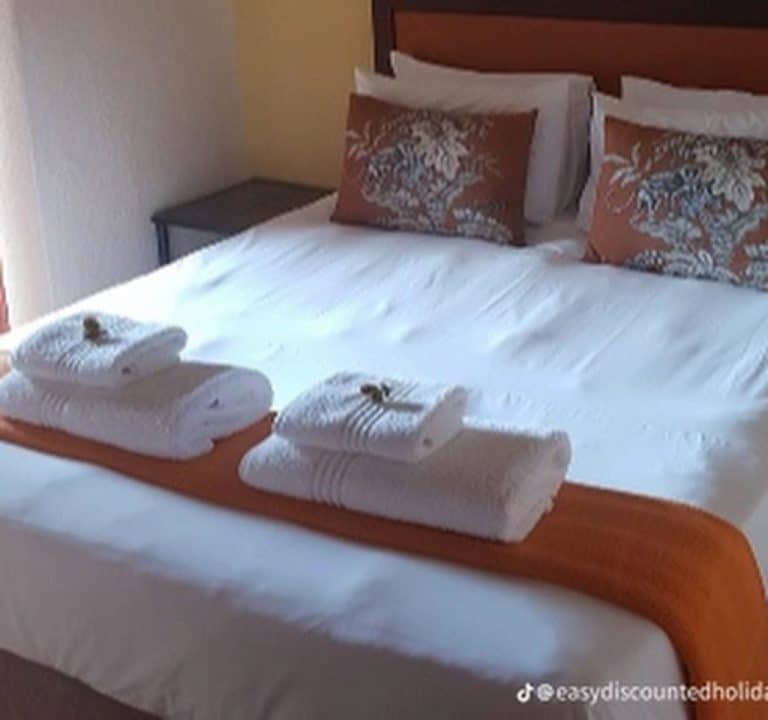
Accommodation in Johannesburg ranges from guest houses and boutique hotels to B&Bs and backpacker lodges. When you book, look for practical amenities that save time and improve comfort: reliable Wi-Fi, secure parking (or easy access to public transport), a continental or cooked breakfast, and 24-hour reception or on-site staff who can assist with taxi arrangements and local tips. An on-site kitchen or self-catering facilities are especially useful for longer stays or budget travellers. If you’re planning to spend days out exploring, note properties with easy access to taxis, ride-hailing services, or public transport hubs to minimise transit time.
Transport in Johannesburg is best planned in advance. The city is spread out, so staying near a Gautrain station or a major bus route can dramatically cut travelling time. If you’re renting a car, ensure parking is included and verify whether there are any local road tolls. For those relying on guided tours, many guest houses organise day trips or provide recommendations for reputable operators. In addition to the car-based options, you’ll find safe, convenient services for airport transfers and day trips to neighbouring attractions. While the city has a robust urban fabric, it’s wise to follow standard urban travel precautions and keep valuables secure, particularly in busy market areas and nightlife districts.
When it comes to timing, Johannesburg enjoys mild, sunny weather in the spring and autumn, with warm summers and cool, dry winters. The best time to visit generally aligns with comfortable temperatures and lively events. If you prefer quieter streets and lower humidity, shoulder seasons can be ideal. For those chasing cultural experiences, plan around local markets, art fairs, and museum openings, and consider how exposure to the city’s energy changes with different times of day.
For accommodation that suits a range of travellers, a few practical tips can help you choose wisely. First, confirm the booking policy, including cancellation terms and what constitutes a “no-show.” Second, read recent guest reviews focusing on consistency of the basics: cleanliness, quiet rooms, functional showers, and the responsiveness of staff. Third, assess whether the property provides helpful local information, such as printed maps, recommended eateries, and safety tips. Finally, compare the overall value: a higher price doesn’t always guarantee a better stay if essential comforts are missing or if access to transport is limited.
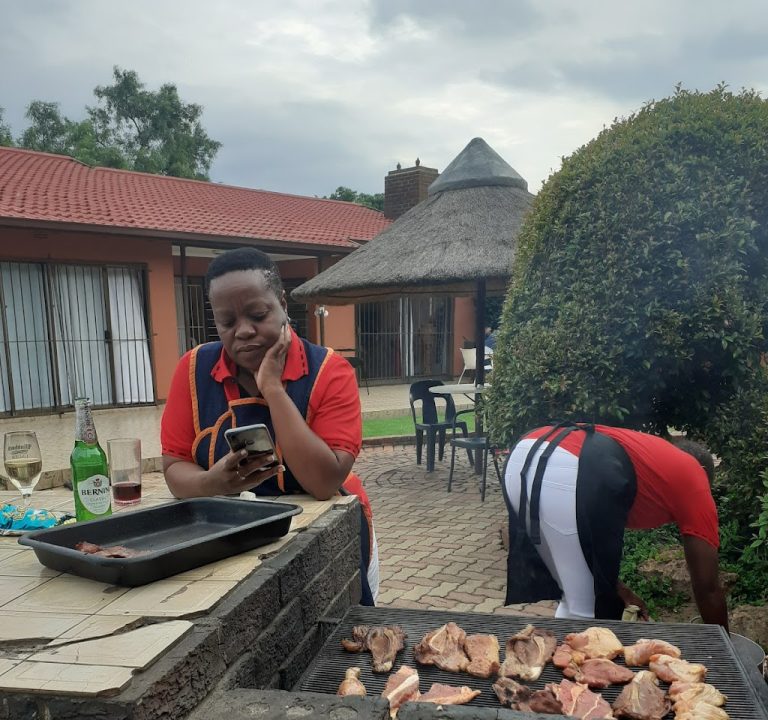
In addition to a comfortable bed and breakfast atmosphere, consider how an accommodation integrates with your plans for food and experiences. Johannesburg’s dining scene ranges from casual eateries to modern brasseries and traditional South African dining spots. For an authentic sense of place, look for guest houses or lodges that offer communal spaces where guests can mingle or share tips about day trips and neighbourhood discoveries. If you prefer a more independent stay, many properties provide flexible dining options nearby, with a diverse mix of casual cafés, vibrant markets, and contemporary restaurants to explore at your own pace.
As a practical reference, Gemini Backpackers Lodge stands as a budget-friendly option with guest-house style hospitality. It typically offers a central location, easy access to public transport routes, and shared facilities that appeal to travellers seeking value and a social atmosphere. Visitors can expect common areas for meeting other travellers, kitchens or cooking spaces, and straightforward guidance on local sights and routes. To learn more about its current offerings, features and location, you can visit the property’s website: Gemini Backpackers Lodge.
When planning to explore Johannesburg, a simple starter list of experiences can help frame your stay. These are general, non-committal categories designed to give a sense of variety without tying you to specific venues:
- History and culture—visits to museums and heritage sites, and guided neighbourhood walks to learn about the city’s past and its dynamic present.
- Markets and street life—markets and crafts hubs offering local foods, art and handmade goods.
- Restaurants and cafés—casual eateries and contemporary dining that showcase South African flavours and global influences.
- City views and green spaces—lookouts, parks, and a few scenic spots to relax after a day of sightseeing.
- Tours and day trips—selected operators offering safe, well-reviewed itineraries to further afield destinations.
In short, a well-chosen base in Johannesburg can yield a rewarding stay. By weighing location, transport access, and practical comforts, you can tailor a visit that balances sightseeing with downtime. Whether you opt for a budget-friendly guest house, a stylish stay in a vibrant neighbourhood, or a comfortable base near major transport links, Johannesburg offers a wide spectrum of options to suit varied travel ambitions. And with careful planning, your time in Gauteng can feel both efficient and wonderfully immersive.