Riebeek-Kasteel: A cosy base for Swartland exploring in the Western Cape
Nestled in the Swartland’s rolling vineyards and olive groves, Riebeek-Kasteel offers a tranquil flavour of rural Western Cape life with easy access to wine farms, artisanal food producers and scenic countryside. The village is compact enough to explore on foot, yet well connected by road to larger towns and the broader Cape hinterland. For visitors seeking a welcoming bed and breakfast, a boutique guesthouse, or a countryside hideaway, this corner of the Western Cape rewards with authentic hospitality, classic architecture and a calm pace that makes it easy to unwind between day trips and meals with local produce.
Accommodation options in and around Riebeek-Kasteel range from characterful heritage B&Bs to modern guesthouses and self-catering cottages. When you book, consider where you want to base yourself within the village or on the nearby outskirts. Staying close to the historic core puts you within easy reach of gentle morning strolls to the plaza, bakeries and cafés, while a hillside setting can offer panoramic views over vineyards and olive groves. A well-chosen base can reduce driving time between tastings, markets and viewpoints, leaving you more time to soak up the scenery and flavour of the region.
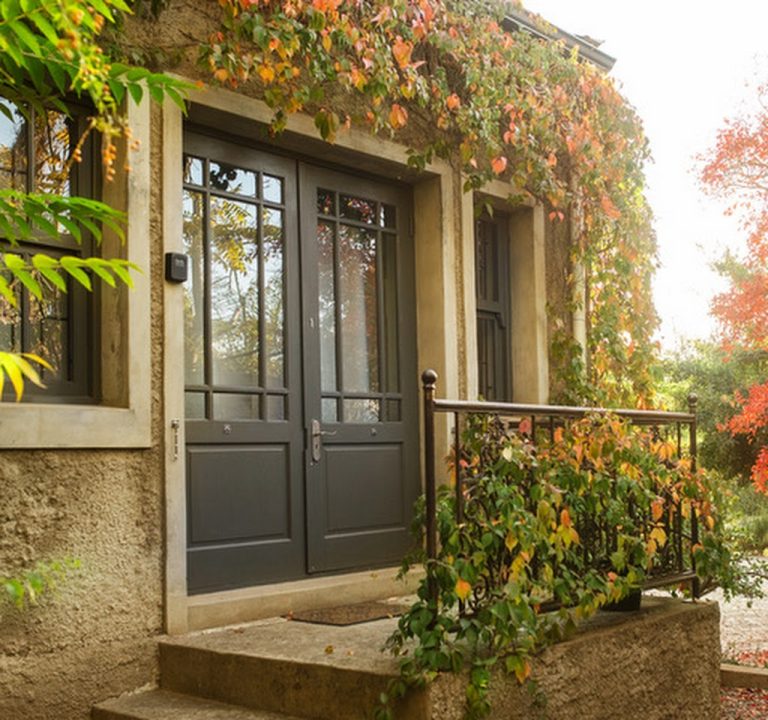
Typical amenities you’re likely to encounter include comfortable en-suite bedrooms, secure parking, free Wi‑Fi, and thoughtfully prepared breakfasts using local ingredients. Many properties in the area provide shaded outdoor seating, private verandas or small gardens, which are particularly appealing for leisurely mornings with coffee and rusks, or a sundowner at golden hour. If you’re travelling with family or friends, look for flexible room configurations, self-catering options or communal spaces where everyone can gather after day trips. Some places may also offer guided experiences or help with planning itineraries for the region’s wine micro-regions and olive routes.
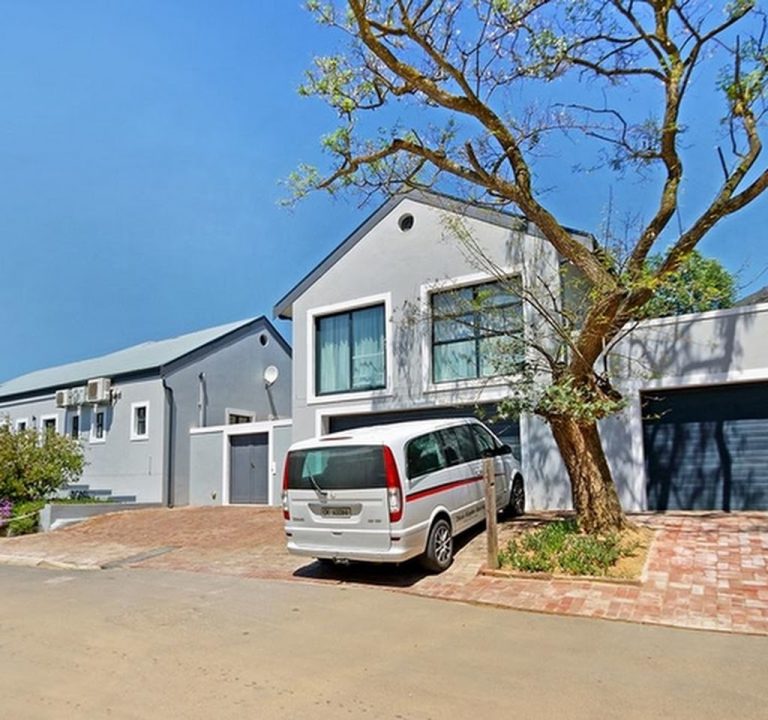
Planning a stay should include a practical look at transport and access. The region is best explored by car, which gives you the freedom to move between wine farms, olive farms, markets and viewpoints at your own pace. Parking availability, gate access, and the ease of leaving the village to reach the surrounding countryside are worth confirming ahead of time. For guests without a vehicle, check if the property offers shuttle arrangements or proximity to a reliable taxi service. The main square and village streets are generally walkable, but longer day trips will benefit from a set of wheels.
Best time to visit Riebeek-Kasteel tends to align with the South African seasons. Spring (ends in October) brings fresh green landscapes and blooming trees, making it ideal for outdoor strolls and photography. Autumn (March to May) offers pleasant temperatures and harvest-time atmosphere, with comfortable days for exploring farms and markets. Winter is mild to cool with the possibility of rain, which can be added mood for a cosy stay indoors with a book or a fireside chat. Summer is warm and dry, and early mornings or late afternoons are the best times for outdoor activities to avoid the heat of the day. Always check local events calendars for seasonal markets or food celebrations that can enhance your visit.
When choosing accommodation, consider what you want from the stay. If you prioritise restful downtime, look for quiet streets, private garden access, and rooms with double glazing or good insulation. If you’re seeking culinary discovery, select B&Bs or guesthouses that partner with local producers, offer hearty breakfasts, and can point you toward seasonal tasting experiences. For adventures, check if your host can arrange vineyard tours, olive oil tastings, or guided walks through nearby nature reserves or the surrounding countryside. Availability of late check-in, secure luggage storage, and the flexibility of breakfast service times are practical aspects that can influence your plans.
Nearby attractions and experiences are typically framed around the landscape and heritage of the Swartland. You’ll find scenic drives through vineyards and olive groves, a historic core with traditional Cape Dutch architecture, and small-town charm that lends itself to slow-paced exploration. While no single listing is universal, guests usually enjoy gentle strolls through the village, visits to local markets or producers, and easy day trips to neighbouring towns and farm estates for wine and olive tastings. Dining in the area often emphasises farm-fresh ingredients, with casual bistros and family-run eateries offering comforting, well-prepared meals in friendly settings.
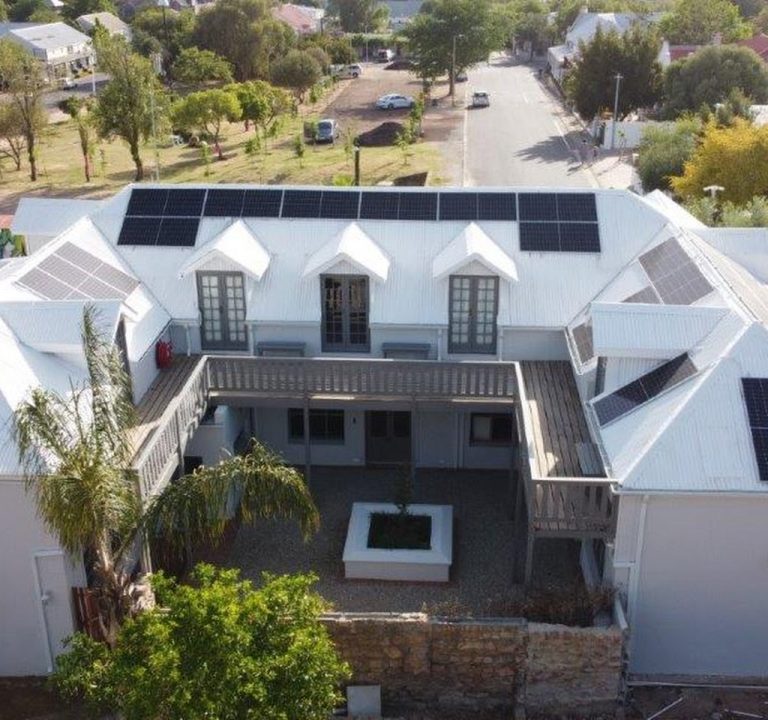
For those seeking a specific place to stay, a notable option within the community is a Bed & Breakfast that emphasises personal hospitality and regional ambience. It presents as an example of how thoughtfully run B&Bs can blend character, comfort and convenient access to local attractions. You can learn more about such properties through their official sites, including details on rooms, breakfast, and availability at Kasteelberg Place.
- Areas to consider: central village for walkability; hillside or edge-of-town for views; proximity to vineyards and olive farms for day trips.
- Booking tips: check room configurations, breakfast service times, parking, and accessibility; read guest reviews for quietness and warm hospitality.
- Amenities to look for: en-suite rooms, reliable Wi‑Fi, secure parking, outdoor spaces, and options for self-catering or shared lounges.
- Transport planning: primarily road travel; confirm parking and possible shuttle options if flying into Cape Town or nearby airports.
- Best time to visit: spring and autumn for milder weather and active landscapes; consider market days or seasonal events.
In short, a stay in Riebeek-Kasteel can be a peaceful, food- and wine-forward retreat with easy access to the region’s natural beauty and architectural charm. By choosing a well-positioned accommodation, planning transport, and aligning your visit with the seasonal highlights, you’ll be well placed to savour the best of the Western Cape’s rural hospitality.