Staying in Riebeek-Kasteel: accommodation, planning tips and local highlights
Riebeek-Kasteel, nestled in the heart of the Western Cape’s Swartland wine country, offers a relaxed village atmosphere paired with easy access to countryside scenery, vineyards and small-town charm. For visitors seeking comfortable, well‑located stays, the village provides a range of accommodation styles—from serviced apartments to guesthouses and cosy B&Bs—each designed to blend convenience with a sense of place. Planning a stay here involves weighing location within the village, access to amenities, and how you prefer to begin each day's exploration of the surrounding hills, olive groves and seasonal markets.
When choosing where to stay, consider which part of the village will suit your agenda. Many visitors opt for accommodation close to the town square for a walkable experience, with restaurants, cafés and craft shops just a short stroll away. If you prefer a quieter base, look for properties on the edge of town or on country lanes where birdsong and scenic views accompany morning breakfasts. Riebeek-Kasteel is compact enough that centre‑based stays minimise driving, while a rural setting can provide a serene backdrop for longer visits or weekend breaks.
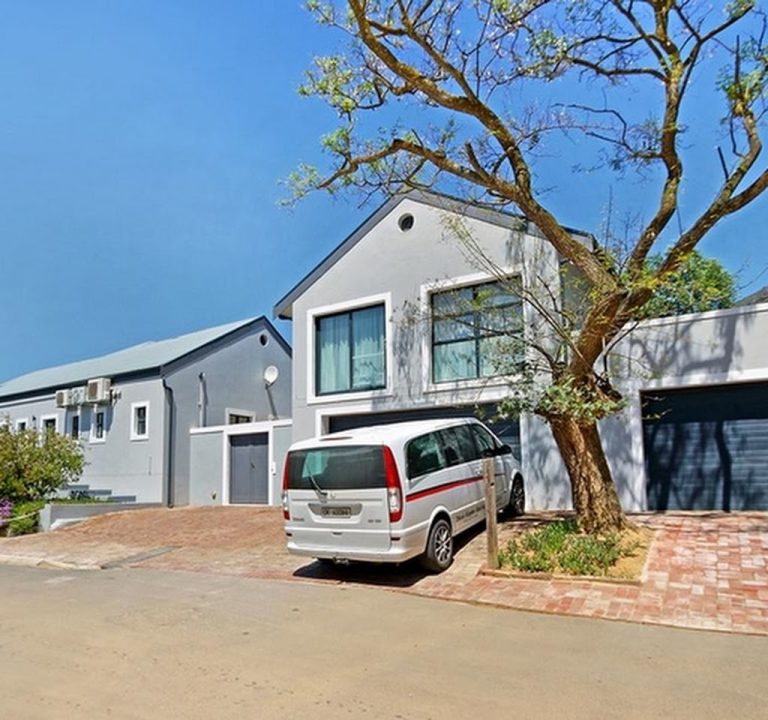
Typical accommodation in the area ranges from serviced apartments and self‑catering units to intimate guesthouses and charming farm stays nearby. Practical features often include private entrances or dedicated kitchen facilities, parking on-site, and reliable wifi. House rules vary—some properties offer daily housekeeping, while others operate on a more independent, self‑catering basis. When booking, read the hosting details carefully to understand what is included, such as towels, linen, and any on-site amenities like a pool, garden seating or communal lounge areas.
The best time to visit Riebeek-Kasteel aligns with the climate and the harvest calendar. Summers (roughly November to March) are warm and dry, ideal for outdoor walks, vineyard visits and al fresco meals. Winters (May to August) are cooler, with occasional rain; this can be a cosy period for quiet retreats, fireplace evenings and tasting sessions indoors. Spring and autumn offer cooling breezes and colourful skies, making this a lovely season to explore the surrounding countryside on foot or by bicycle. If you plan wine-tasting or olive oil tours, time your stay to Saturdays or local markets when farm stalls and producers often welcome visitors with seasonal produce and crafts.
Getting around Riebeek-Kasteel is straightforward for most visitors. Within the village, you’ll find that many places are walkable, including cafés, bakeries and small shops. If you rely on public transport, plan ahead, as services can be limited outside peak tourist periods. For day trips to nearby towns or vineyards, a car is the most convenient option. Some accommodation providers may offer private transfers or can assist with arranging local tours, which can simplify travel between wineries, farms and viewpoints.
Facilities and services to look for when booking include secure parking, kitchen or kitchenette facilities, comfortable bedding, and reliable hot water. A private outdoor area—such as a terrace or balcony—can be a real plus for enjoying morning coffee or an evening sunset. For families or groups, enquire about space for additional guests, child-friendly settings, and whether the property offers flexible check‑in times. Hosts often provide local tips on the best walking routes, seasonal event schedules and dining options that showcase the region’s culinary influences, so it’s worth asking for insider recommendations when you arrive.
When planning meals, Riebeek-Kasteel’s eateries range from casual cafés to more refined dining rooms that source local ingredients. Even if you choose self‑catering accommodation, you’ll find markets and bistros within a short stroll that highlight seasonal produce and regional wines. To make the most of your stay, consider pairing a couple of meals with vineyard visits or olive groves, and consult your host about any seasonal tasting menus or farm-to-table experiences that may be available during your visit.
Practical tips to maximise your stay:
- Book early for peak travel periods, particularly around harvest times and long weekends.
- Ask about mid-stay housekeeping options if you prefer a hotel‑style service.
- Check whether the accommodation offers breakfast or if you’ll need to arrange self‑catering.
- Confirm access and privacy arrangements, especially for serviced apartments or guesthouses with shared spaces.
- Look for flexible cancellation policies in case travel plans change.
Attractions beyond the accommodation are easy to reach on foot or a short drive. Visitors typically enjoy exploring the village’s historic streets, taking in the views over the surrounding farmlands, and visiting local galleries and craft shops. Surrounding farms and olive groves provide opportunities for guided tours or tastings, while nearby towns within the Swartland offer additional cafés and markets. For those seeking a broader itinerary, the region’s wine routes and countryside scenery present a gentle backdrop for day trips. Useful resources for planning include regional tourism sites and the accommodation provider’s own pages, which may highlight seasonal events, walking routes and nearby viewpoints.
In summary, a stay in Riebeek-Kasteel can be a peaceful, location‑rich base from which to explore Western Cape countryside, with a balance of comfortable living spaces, walkable village life and access to food, drink and regional produce. Whether you choose a serviced apartment close to the square or a secluded guesthouse on the outskirts, you’ll find that thoughtful planning—around location, amenities, and seasonal activities—helps ensure a relaxed and memorable visit. For further information and inspiration, you can visit official tourism pages and browse accommodation providers’ own websites to compare settings, rates and what each property offers for a home-away-from-home stay.