Staying in Riebeek-Kasteel: a practical guide to accommodation and local experiences
Riebeek-Kasteel is a charming village tucked in the Olifants River valley of the Western Cape, renowned for its friendly ambience, olive groves, and neighbouring vineyards. It makes a relaxed base for exploring the Swartland, with easy access to the surrounding countryside, vineyards and artful eateries. Whether you favour a cosy self‑catering retreat, a traditional guesthouse, or a stylish boutique stay, the town offers options that suit a range of itineraries and budgets.
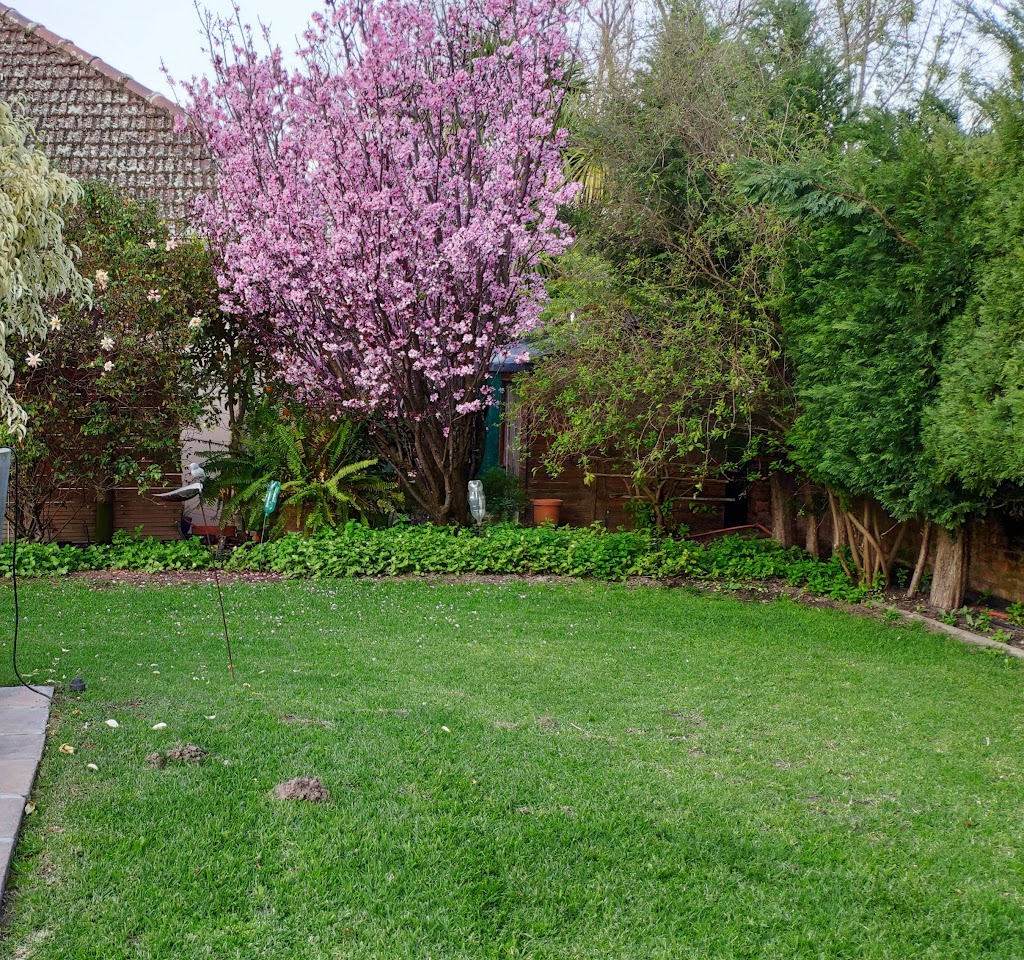
Accommodation in Riebeek-Kasteel spans self‑catering cottages, banting‑to‑the‑bone B&Bs, and rustic-luxe guesthouses. One well‑placed example is Chic Shack, a self‑catering option that highlights the value of a well‑equipped, home‑from‑home base for those who prefer flexibility and privacy. When browsing, look for homes that emphasise a pleasant outdoor area, reliable kitchen facilities, and parking close to your door, so you can come and go without hassle after long days of exploring the countryside.
When choosing where to stay, consider the following areas and what they offer. The heart of the village places you within effortless reach of shops, cafés, and the main square, making strolls to meals or morning coffee simple. Outlying areas or farm‑style settings can provide expansive views, larger outdoor spaces and a more quiet environment, ideal for travellers seeking a peaceful backdrop and slower pace. If you anticipate long days of wine tasting or olive farm visits, a residence with easy access to car routes and modest shortest‑path travel times to key activities can be a real advantage.
Typical amenities you’ll encounter include well‑equipped kitchens or kitchenettes, en‑suite bathrooms, reliable wi‑fi, heating or cooling as required for the season, private parking, and outdoor spaces such as courtyards, terraces or braai areas. A washer and dryer can be a real convenience for longer stays, and some properties offer furnished living spaces with comfortable seating and dining areas that invite you to linger after a day of touring local sights. Check whether bedding, towels, and basic kitchen staples are provided, and whether the property operates a strict check‑in policy or has flexible self‑check‑in arrangements.
Transport and access are practical considerations. A car is often the most convenient way to move between the village, nearby farms, and restaurants, particularly if you plan to visit multiple tastings or markets. Many visitors organise day trips to the surrounding towns or coastal scenery, so confirm parking arrangements and access times for your chosen stay. If you plan to use public transport, verify proximity to taxi services or shuttle options in advance, as services in rural areas can be limited.
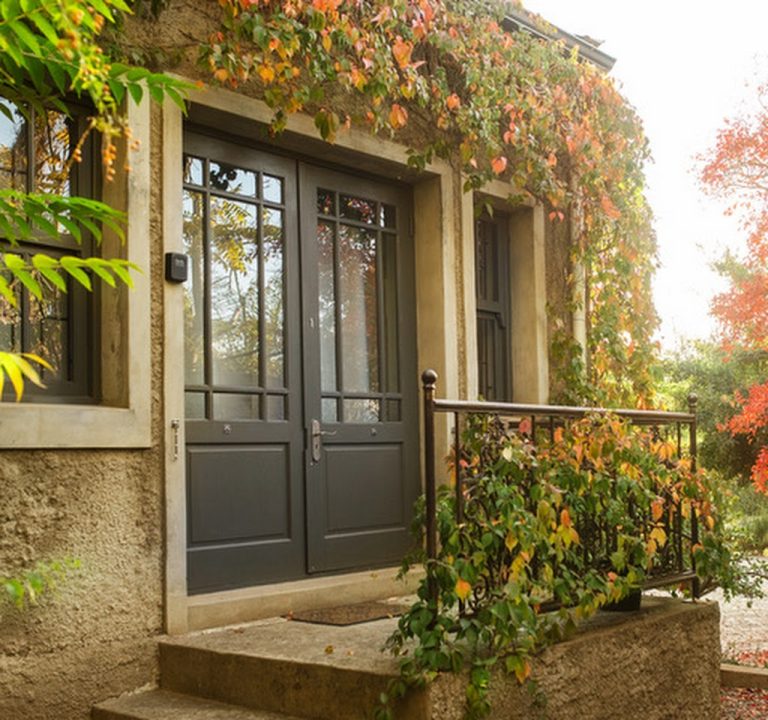
The best times to visit Riebeek-Kasteel tend to be during the shoulder seasons of spring and autumn, when daytime temperatures are usually comfortable and countryside colours are vivid. Spring gardens and blooming flora make outdoor outings especially pleasant, while autumn brings harvest colours and a relaxed village atmosphere. Summer can be warm but still pleasant, with long evenings ideal for leisurely meals outdoors. Winter is typically mild but can bring cooler mornings and occasional rain, which is still perfectly suitable for wine tastings, gallery visits and cosy evenings indoors.
Practical planning tips include booking ahead for peak periods and weekends, especially if you want a particular property or a well‑located base close to main amenities. Read recent guest reviews to confirm consistency in cleanliness, accuracy of listings, and responsiveness of hosts. Bring adaptable attire for varied weather and pack essentials for a self‑catering stay if you opt for a property with a kitchen. Always communicate any special requirements in advance—whether you need accessibility features, pet policies, or arrangements for late arrivals.
In terms of local experiences, Riebeek-Kasteel is well placed for relaxed days exploring artisanal food producers, small galleries, and markets that characterise the Swartland. Visitors can enjoy wine tasting and olive‑oil experiences nearby, along with countryside walks that reveal rolling vineyards and olive groves. Dining tends to emphasise seasonal, farm‑to‑table ingredients, with menus that celebrate regional produce and practical, friendly service. While specific restaurants and venues may change over time, most places offer a welcoming atmosphere, with options for casual lunches, coffee stops, and heartier evening meals within a short stroll or short drive from central stays.
- Location: central village versus outlying, rural settings
- Facilities: kitchen or kitchenette, parking, laundry, wi‑fi
- Access: proximity to shops, cafés, and wineries
- Seasonality: best times to visit for weather and outdoor activities
- Flexibility: check‑in/check‑out times and self‑check‑in options
For practical booking inspiration, consider looking at self‑catering options such as Chic Shack, which offers a home‑base experience suitable for enjoying the tranquillity of the Swartland while staying independent and comfortable. More broadly, browse a mix of boutique guesthouses and small family‑run inns to experience the warm hospitality the region is known for. With careful planning, your stay in Riebeek-Kasteel can combine comfortable accommodation with easy access to scenic drives, wine routes, and simple, delicious local dining—creating a relaxed and memorable South African break.