Plettenberg Bay: Accommodation, Attractions and Planning Your Stay
Plettenberg Bay, on the sunny Garden Route of the Western Cape, offers a delightful mix of relaxed coastal comfort and natural splendour. When planning a stay, visitors typically weigh proximity to the beach against a quieter village atmosphere, but both can be found in well-rated guesthouses, B&Bs and small hotels. Whether you favour waking to sea views, easy access to hiking trails, or a central hub near cafés and shops, Plettenberg Bay has options to suit a range of preferences and budgets.
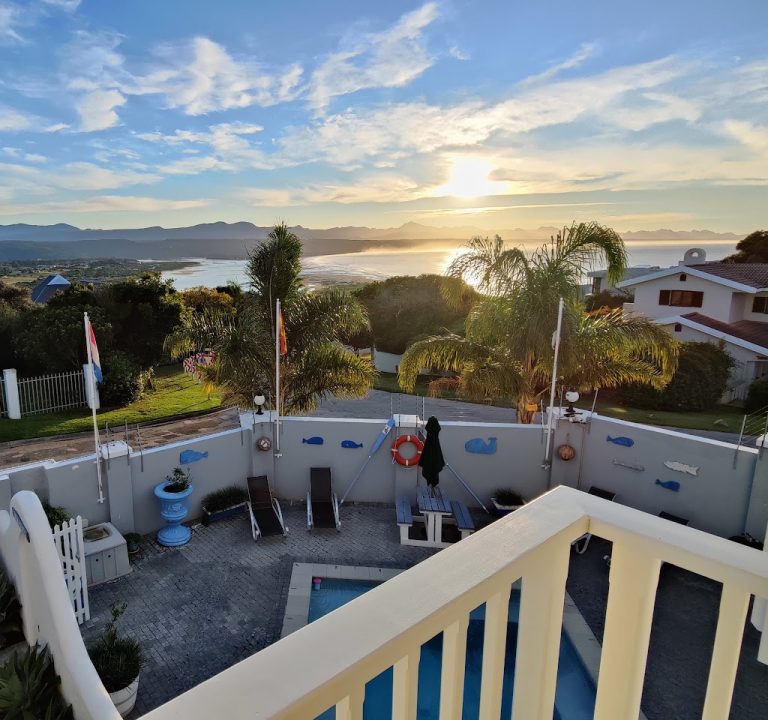
Areas to consider when booking include the beachfront precinct, where properties enjoy immediate access to sandy shores and sparkling blue water. This can be ideal for early morning walks and sunset suppers by the ocean. For a more residential, tranquil feel, look to the town centre or hillside pockets with panoramic views. These areas often offer a shorter walk to eateries and markets while maintaining a restful environment. If you’re seeking a blend of nature and convenience, a stay near the Robberg Nature Reserve or along the coastline can provide a satisfying balance of outdoor activity and comfort.
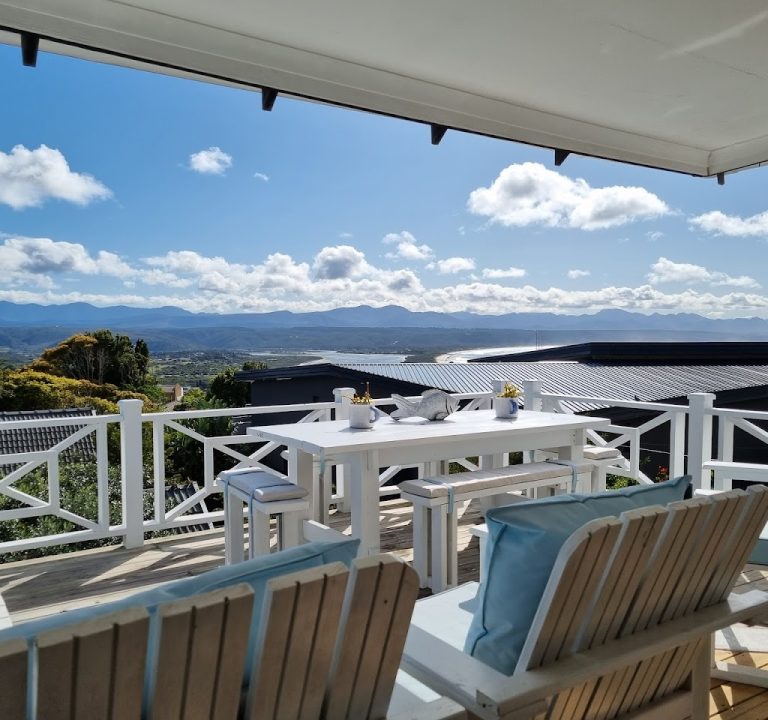
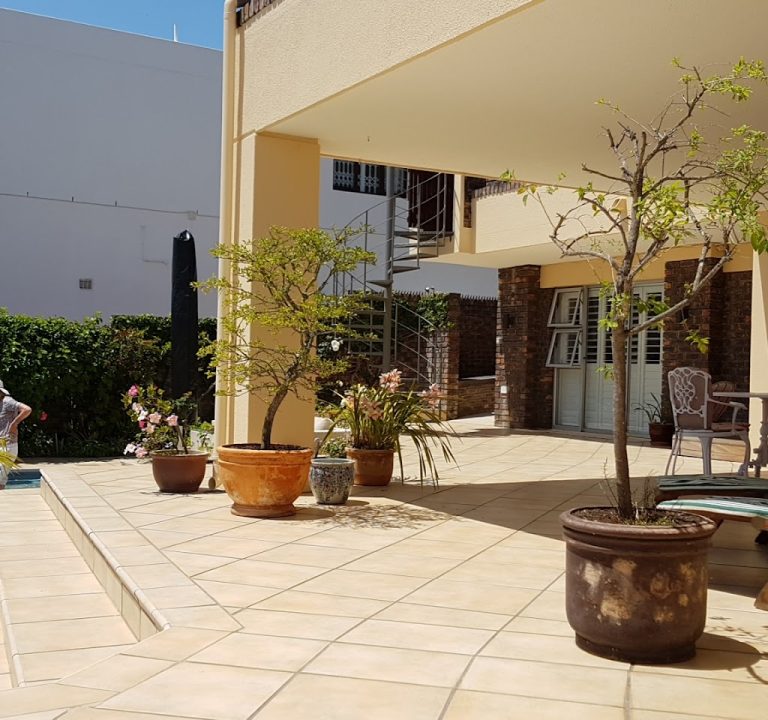
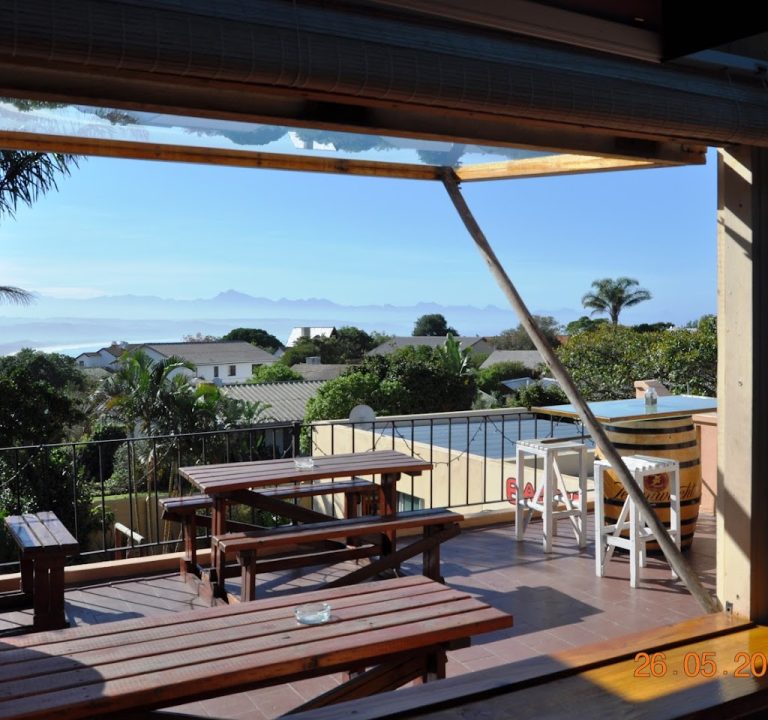
Typical amenities to look for include generous breakfast provisions, private en-suite facilities, secure parking, and reliable Wi-Fi. Many B&Bs and guesthouses in Plettenberg Bay also offer thoughtful extras such as cosy lounges, shaded verandas, pool facilities, and private balconies or garden spaces. When booking, note policies around cancellation, housekeeping frequency, and whether breakfast is included, as some properties offer continental options or a fully cooked service with locally sourced ingredients. If you plan to travel with family or a group, check room configurations, access to communal spaces, and any restrictions on extra beds or shared bathrooms.
Transport considerations are important for a comfortable stay. The town is served by a regional road network, so a car is highly convenient for exploring beaches, viewpoints, and the surrounding attractions. Public transport is available but schedules can be less frequent outside peak season. If you’re flying, the nearest major routes connect via regional airports with transfers to Plettenberg Bay; many guests choose to drive the scenic N2 corridor or hire a vehicle upon arrival. For sustainability-minded travellers, you’ll often find guesthouses with parking facilities and easy access to walkable town centres, which reduces reliance on taxis for short trips.
The best time to visit Plettenberg Bay depends on your preferred activities. The summer months bring warmth, longer daylight hours and ideal sea conditions for swimming and boating, while spring and autumn offer pleasant temperatures and quieter beaches. Whale watching is a highlight during the winter and spring migration periods, and the wider region’s nature reserves provide enriching day trips at any time of year. If you are keen on water-based adventures, a flexible itinerary that blends beach days with reserve walks can help you capitalise on changing weather and wildlife sightings.
For accommodation planning, consider a balanced itinerary that blends restful stays with active days. A coastal base with easy beach access is perfect for morning strolls and sunset strolls along the shore, followed by relaxed evenings in the town’s eateries and bars. If you prefer hiking or wildlife, choose a higher vantage area or a location close to the Robberg Peninsula or surrounding reserves to shorten transfer times between outdoor activities and your lodging. Always verify access to nature trails from your chosen property, and check whether guided tours or equipment hire can be arranged through the accommodation or local operators.
When exploring dining and local experiences, Plettenberg Bay offers an array of casual bistros, seafood spots and contemporary eateries that celebrate fresh produce and regional flavours. Rather than focusing on specific establishments, you’ll find options ranging from relaxed beachfront cafés to refined dining with a focus on seasonal ingredients. It’s a good idea to check opening hours and seasonal menus in advance, and to reserve tables during peak periods or weekends. For those who enjoy markets and informal shopping, speaking to your host or reception staff can help identify weekly markets, artisan stalls and seasonal events that showcase local producers and crafts.
Practical tips for a smooth stay:
- Book accommodation with flexible cancellation where possible, especially in shoulder seasons when weather can be unpredictable.
- Pack layers for variable coastal weather, including sun protection for day trips and a light rain jacket for sudden showers.
- Bring sturdy footwear for nature walks and trails, plus a beach bag and towel for days on the sand.
- Plan a mix of morning beach time, afternoon reserves or coastal walks, and relaxed evenings in town to avoid fatigue.
- Check whether your accommodation can arrange guided tours, bike rentals, or private transfers to save time between activities.
Finally, consider browsing the local visitor information pages and the websites of host properties to compare what is included in your stay. Plettenberg Bay rewards those who blend comfortable lodging with an active, outdoorsy itinerary and a relaxed pace in the evenings. For more ideas and planning resources, you can visit official tourism sites or local community pages and explorer-friendly guides that cover beaches, reserves, and dining options across the area.