Exploring Mpumalanga and KwaZulu-Natal: Accommodation, Attractions and Practical Planning for Travellers
Mpumalanga and KwaZulu-Natal offer a rich tapestry of landscapes, from dramatic escarpment views and savannah plains to subtropical coastlines and the rolling hills of the inland. When planning a stay, travellers should consider a mix of lodging styles to suit pace, budget and interests, from intimate guest houses and country cottages to country inns and lodges with easy access to natural highlights. Pairing accommodation with local experiences can help you feel deeply connected to the region while keeping travel efficient and enjoyable.
Areas to consider for a balanced itinerary include the escarpment corridors around Mbombela (Nelspruit) and the Lowveld for easy access to wildlife reserves, water-based activities along the KwaZulu-Natal coast, and inland towns that provide a quieter base for exploring cultural and historical sites. In Mpumalanga, look for properties near nature reserves or scenic routes that allow day trips to famous viewpoints, waterfalls and wildlife experiences. In KwaZulu-Natal, you’ll find coastal towns with a strong emphasis on beaches and gastronomy, as well as inland enclaves that offer warmth, mountain scenery and proximity to game viewing.
Booking considerations are best guided by a few practical checks. First, assess the distance to the places you plan to visit and the typical road conditions, especially if you will be self-driving. Second, review the type of accommodation that matches your travel style—guest houses and B&Bs often provide a personal touch and breakfast, while lodges and boutique hotels may offer on-site dining and guided activities. Third, confirm the accessibility of common areas, parking arrangements, and any child-friendly or accessibility features if relevant. Finally, read recent guest reviews to gauge consistency in service, cleanliness and reliability of transfers or organised activities.
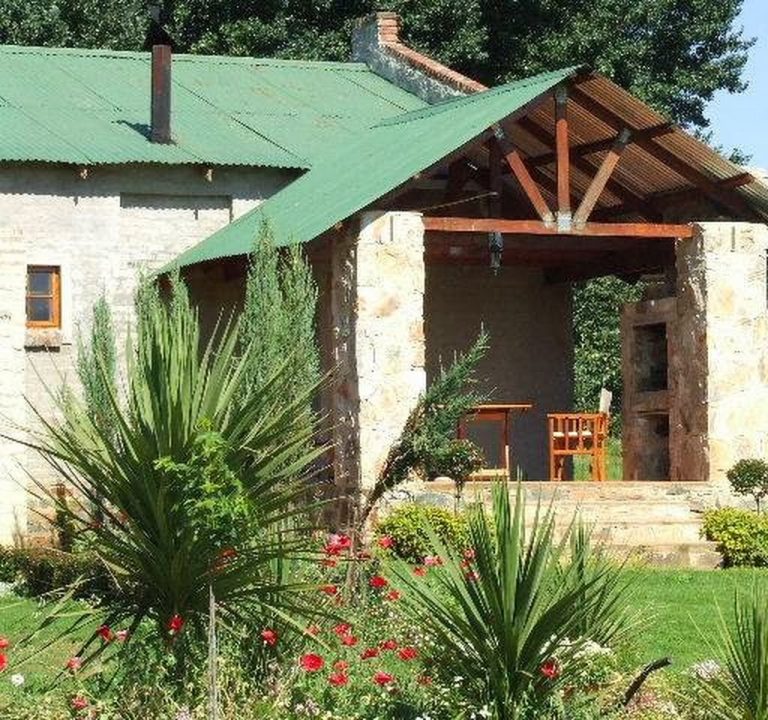
Typical amenities to look for include secure parking or easy street parking, reliable hot water with good pressure, and clear information about check-in processes. Other popular features are teas and coffees in rooms or shared lounges, Wi‑Fi with decent coverage, suitability for solo travellers or couples, and thoughtful touches such as local artwork or guides to nearby attractions. For those seeking a more immersive stay, consider properties with access to guided walks, cultural experiences or farm-to-table dining options within a short radius. For a sample of accommodation that champions intimate, well‑located stays, you can explore options such as guest houses and cottages with a cosy, home-away-from-home feel; many offer a blend of privacy and friendly local knowledge.
Transport planning is essential in this region. If you are driving, verify parking arrangements, distance between towns, and the most efficient routes to national parks, reserves and beaches. If you prefer not to self-drive, look for properties that can arrange trusted local transfers or guided day trips. In coastal KwaZulu-Natal, consider the convenience of staying nearer to beaches or town centres to shorten daily commutes to restaurants and markets. Mpumalanga guests often value proximity to nature reserves, watercourses and viewpoints for sunrise or sunset photography, so a location nearer to the escarpment or a park entrance can save valuable time.
Best time to visit varies by area and interests. Mpumalanga tends to offer mild, comfortable conditions for much of the year, with the drier winter months being popular for wildlife viewing as animals congregate around water sources. KwaZulu-Natal enjoys more temperate winters and warm summers, with coastal visits benefiting from sunny, long days. If you enjoy lush landscapes, consider shoulder seasons when accommodation is still good value and the crowds are lighter. Pack layers for variable mornings and evenings, and remember sun protection for outdoor activities.
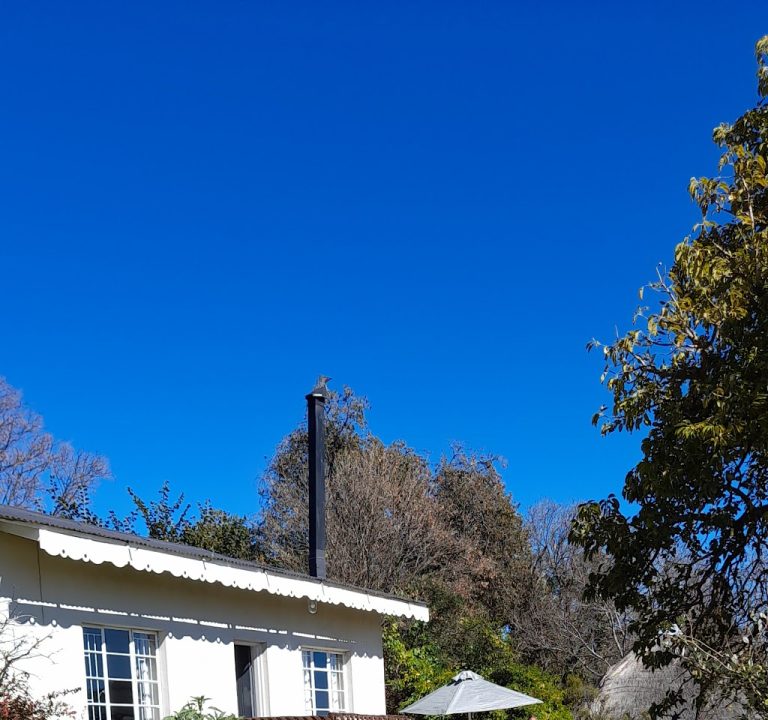
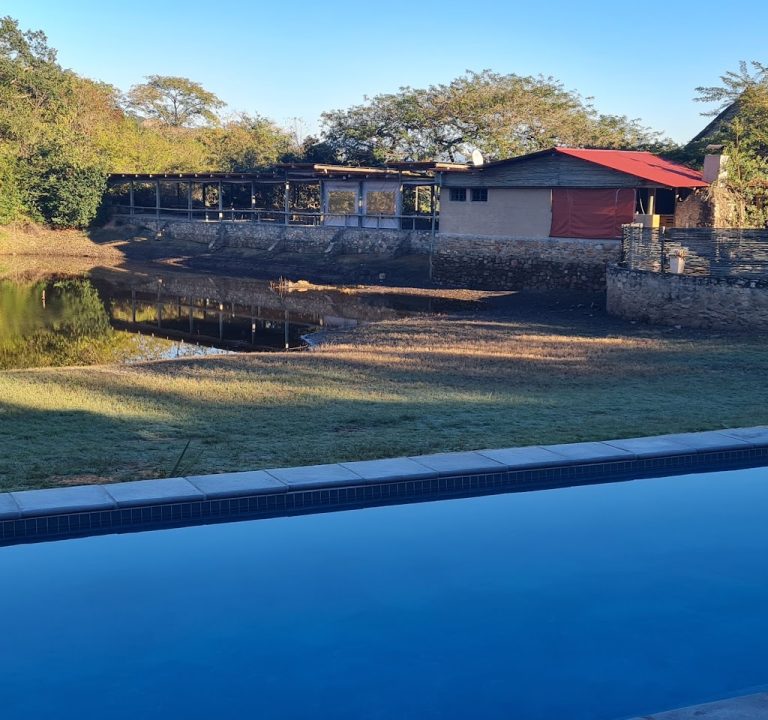
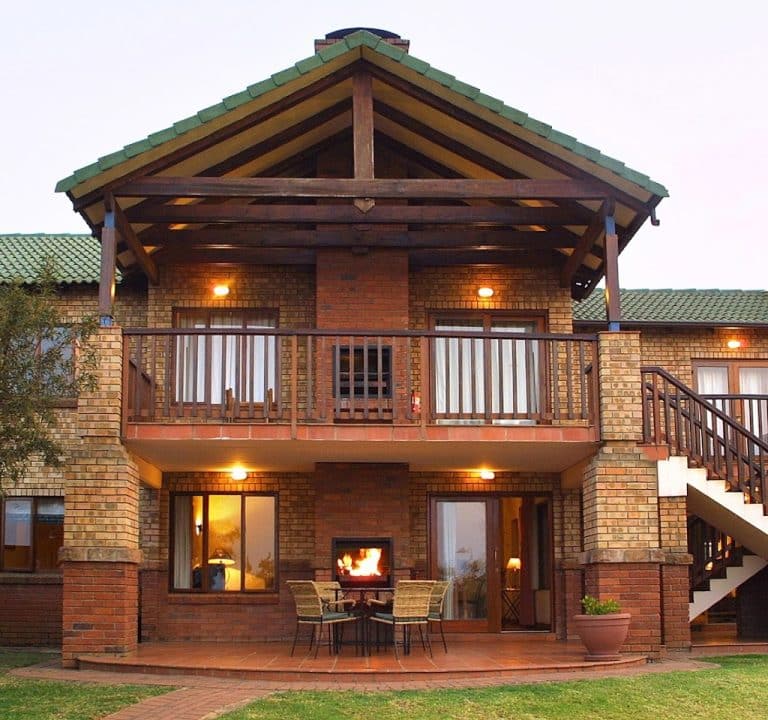
Practical tips to enhance your stay include booking ahead during peak travel periods and asking hosts for local dining recommendations, short treks, and short-notice activities such as guided walks or markets. When planning day trips, map out a rough sequence to limit backtracking and maximise time at key sights. If you are staying in a guest house or cottage such as Jock’s Cottages, you may wish to explore the surrounding countryside on foot or by bicycle where offered, and to check whether the property hosts short guided excursions or harvest-related experiences. For more information on staying in a charming, well-situated base in this region, you can learn about Jock’s Cottages at their website: www.jockscottages.co.za.
Whether you are drawn to sweeping escarpment viewpoints, wildlife encounters, or coastal dining and beaches, Mpumalanga and KwaZulu-Natal can offer a generous mix of experiences. Plan with a focus on practical logistics, comfort and the pace you want, and you’ll be well placed to enjoy the warmth of the region, the generosity of its people, and the variety of places to stay, eat and explore.
- Consider a base near a main attraction to reduce daily driving.
- Choose accommodation with reliable Wi‑Fi if you need to stay connected.
- Ask hosts for personalised itineraries or local dining tips.
- Pack for variable weather and outdoor activities.