Accommodation and attractions in Mpumalanga and KwaZulu-Natal: planning your stay and making the most of your visit
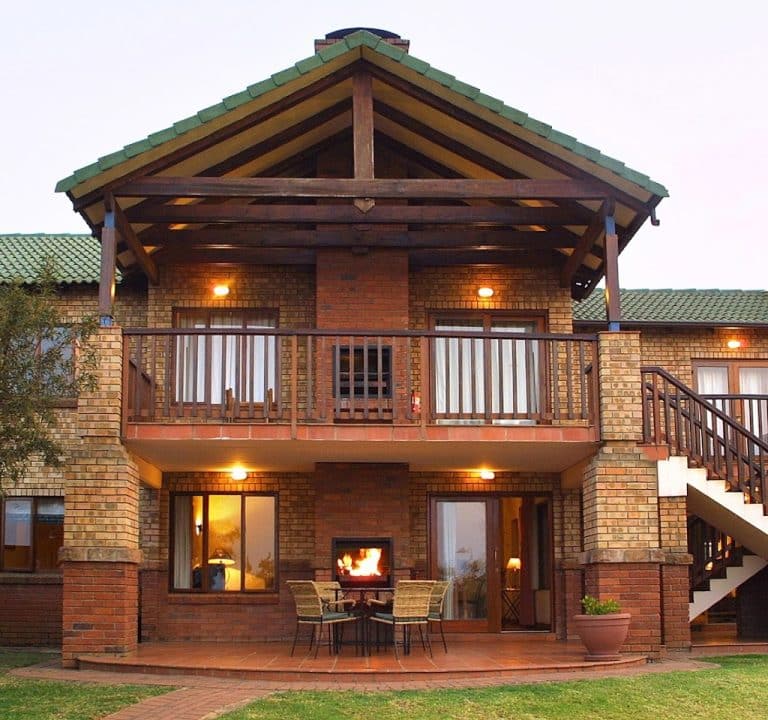
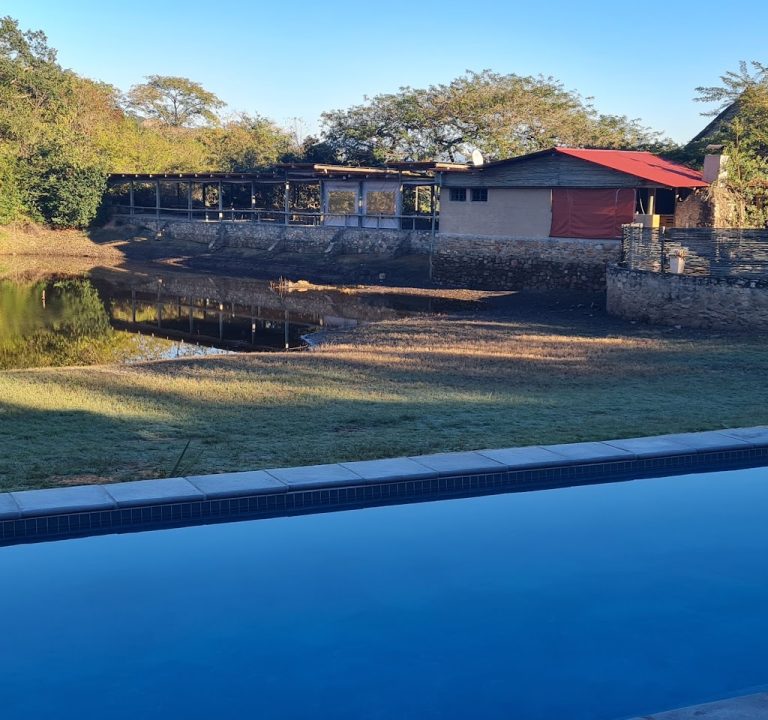
Mpumalanga and KwaZulu-Natal (KZN) offer a rich mix of wildlife, landscapes, and coast, with a wide range of places to stay that suit every type of traveller. From safari lodges and country-house B&Bs to stylish poolside hotels and family-friendly resorts, planning a visit around your interests helps you strike the right balance between relaxation and exploration. A property such as a resort-style stay near Mlilwane or the White River area can provide comfortable bases for longer stays, with access to key sights and convenient amenities.
In Mpumalanga, the focus is often on dramatic scenery and wildlife on the doorstep. The province is home to famous routes and parks, including forest-edged towns and easy access to big-ticket safaris. When choosing accommodation, many travellers prioritise proximity to the Panorama Route, the Kruger National Park’s southern gateways, or the Lowveld’s river towns. For a balanced stay, consider a mix of shorter city or town nights with a few creature-comforts in a countryside lodge or resort. Look for properties that offer clear directions on self-drive routes, or that provide easy access to guided safaris, which can help you maximise your time in parks without breaking the bank on private transport.
KwaZulu-Natal presents a wider variety of settings. You can base yourself in coastal cities with easy beach access, inland in the rolling Midlands with verdant farmlands, or in the high Drakensberg for cooler air and dramatic escarpment views. For a family-friendly break, a resort or guesthouse with a pool and kid-friendly spaces can be ideal; for a couple or small group, boutique guesthouses or modern hotels in towns with good dining options can offer a more intimate experience. In many KZN towns, guesthouses and inns provide warm hospitality, locally sourced breakfasts, and handy tips on nearby nature trails, viewpoints, and gentle ecotourism activities.
When booking, consider the following practical factors. First, decide which experiences you most want to prioritise: safari days, scenic drives, hiking, coastal time, or cultural and historical sites. This helps determine whether you should stay closer to wildlife areas, or closer to towns with dining and nightlife. Second, assess access and transport. If you’re self-driving, choose addresses with straightforward routes and ample parking. If you prefer not to drive, look for properties that organise guided day trips, transfers, or have partnerships with trusted tour operators. Third, check for essential amenities: air conditioning or adequate heating for variable climates, reliable Wi-Fi for planning daily activities, secure parking, on-site dining, and access to a pool or outdoor spaces for downtime after long days exploring.
Typical amenities you might encounter include comfortable en-suite rooms, a choice of breakfast options (from continental to full cooked breakfasts), complimentary tea and coffee stations, and well-appointed communal spaces. For longer stays, a kitchen or kitchenette could be particularly convenient, while some properties offer laundry services or on-site leisure facilities such as spa, tennis courts, or fitness rooms. If you’re visiting malaria-risk areas in Mpumalanga’s parks, make sure you have guidance on preventative measures and what to pack. In coastal KZN areas, consider the climate: summer brings warmth and humidity with possible sea breezes and showers, while winter evenings can be cool, so warm layers are advisable.
Best time to visit varies by region. The Kruger region and Mpumalanga enjoy dry winter months (roughly May to September) when wildlife viewing is excellent and the days are often sunny. However, the summer months (November to March) bring lush landscapes and dramatic storms that can be powerful but still rewarding for nature lovers, with the caveat of higher malaria risk in certain areas. The KwaZulu-Natal coast is warm year-round, with peak beach conditions in the late spring and summer. The Midlands offer cooler temperatures and vivid colours in autumn and spring, ideal for walkers and food lovers exploring the countryside.
Food and dining are an important part of the experience. In both provinces you’ll find a mix of country kitchens, bistro-style menus, and fine-dining options that reflect regional produce—from leafy greens and root vegetables grown inland to fresh seafood and coastal specials along the shore. Many accommodation providers feature on-site restaurants or recommended local places, and staff can point you to nearby farms, markets, and eateries that showcase South African flavours without requiring advanced bookings.
Practical tips to keep in mind:
- Book well in advance for peak travel periods and school holidays, especially for sought-after safari lodges and coastal resorts.
- Ask about guided activities and transfers included in the stay to maximise time and value.
- Pack adaptable clothing for diverse climates—cool mornings in the Drakensberg, warm days on the coast, and the potential for sudden changes in the bush.
- Budget for park entry fees and guided excursions if wildlife viewing is a priority; some properties offer combined packages with game drives or nature walks.
- Respect local wildlife and natural habitats; follow guidelines provided by your hosts and park authorities, and stay on designated paths where required.
For many visitors, a well-chosen combination of accommodation and location makes all the difference. Whether you choose a resort-style stay in Mpumalanga, a country town guesthouse, a modern hotel in a KwaZulu-Natal city, or a boutique lodge with easy access to trails and beaches, careful planning helps you enjoy the best of both relaxation and adventure. Look for properties that communicate clearly about their location, nearby attractions, transport options, and practical tips to ensure a smooth and enjoyable stay throughout your trip.