Accommodation and Experiences in Mpumalanga and KwaZulu-Natal, South Africa: A Practical Guide
Mpumalanga and KwaZulu-Natal offer a rich mix of landscapes, from dramatic escarpments and ancient forests to coastal towns and wildlife-filled reserves. When planning a stay, consider basing your visit around a few well-chosen hubs to minimise travel time while still allowing you to explore the highlights. In Mpumalanga, a stay near Kruger National Park or along the Panorama Route makes early morning game drives and scenic viewpoints convenient, while KwaZulu-Natal rewards travellers with riverine scenery, subtropical forests, and coastal towns along the Indian Ocean.
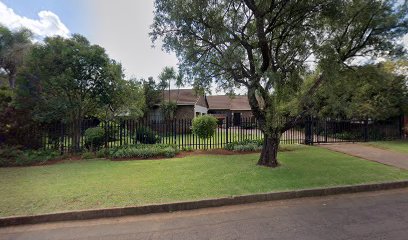
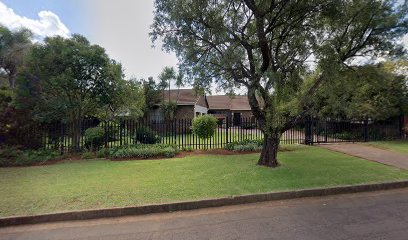
Accommodation in these provinces ranges from intimate guesthouses and boutique lodges to self-catering cottages and larger hotels. If you are seeking a home-from-home experience with personal touches, guesthouses such as Ndlovulala Guesthouse can be a good option to consider, offering a more local flavour and personalised service. Regardless of the type, look for hosts who can provide local recommendations, assist with transport logistics, and help you plan day trips to fit your energy levels and interests.
Key areas to consider when planning where to stay include accessibility to parks and reserves, proximity to towns with dining options, and the availability of safe, reliable transport. In Mpumalanga, consider towns close to the famous routes—the escarpment viewpoints, waterfalls, and access points to nature reserves. In KwaZulu-Natal, coastal towns and inland highland areas each offer distinct experiences, from beach walks and wildlife reserves to dramatic Drakensberg scenery. If you prefer a quieter base, look for accommodation with easy access to nature trails and cycle paths, rather than a densely built central area.
Typical amenities to look for when booking include reliable wifi (for planning days and staying connected), a comfortable bed with quality linens, secure parking, and guest recommendations for local experiences. When possible, choose properties that include breakfast or provide a kitchenette, as dining options can vary widely by area. Outdoor spaces such as a garden, pool, or veranda can be especially pleasant in warm climates, while air conditioning or fans may be important for hot summer days.
Transport considerations are important, particularly in rural or park-adjacent areas. If you cannot or do not wish to drive, check whether a property can arrange transfers to and from airports or major towns. Some guests prefer the flexibility of a car rental, which makes day trips more practical, including self-drive routes to scenic viewpoints, such as the Panorama Route in Mpumalanga or the Drakensberg region in KwaZulu-Natal. For those who plan to visit reserves, confirm if guided drive options or safaris are available through the accommodation or nearby operators, as this can enhance wildlife viewing and safety.
The best time to visit varies by region. Mpumalanga’s weather is generally milder than inland parts of South Africa, with peak wildlife viewing often linked to dry seasons when animals gather around water. KwaZulu-Natal experiences subtropical warmth most of the year, with coastal areas enjoying long, pleasant seasons; however, the interior Drakensberg can be cooler and sometimes snow-capped in winter. Consider your interests—birdwatching, hiking, or swimming—and the typical weather patterns when planning travel dates. Shoulder seasons can offer good value and fewer crowds, while peak seasons may provide more active local scenes.
When planning day trips, keep a practical balance between time on the road and time at your base. A well-chosen guesthouse or lodge can act as a calm retreat between explorations, offering breakfast, restful lounges, and cosy communal spaces. In Mpumalanga, you might plan early-morning drives before heat and crowds build, then return for a relaxed day beginning with a poolside break or a light lunch. In KwaZulu-Natal, you could weave a coastal day with a forest walk or a tea stop in a town with a historic main street, followed by a sunset stroll along the waterfront.
Practical tips for a smoother stay:
- Check cancellation and payment terms well in advance, and understand what is included in the rate (breakfast, transfers, guided activities).
- Ask hosts for local dining recommendations that suit your dietary preferences and budget.
- Confirm accessibility and parking arrangements if you are travelling by car, including any security considerations.
- Pack practical gear for outdoor activities, such as sunscreen, a hat, comfortable walking shoes, and a light jacket for cooler evenings in the highlands.
- Have flexible day plans to accommodate weather changes, especially if you are visiting rainforest or highland areas.
As you plan a stay in these provinces, think of your itinerary as a blend of nature, culture, and gastronomy. Accommodation that offers thoughtful touches and useful local knowledge can transform a trip from simply visiting places to really experiencing them. Use reputable platforms or directly contact properties for the most up-to-date information about rooms, amenities, and possible guided experiences. For example, a guesthouse such as Ndlovulala Guesthouse can serve as a comfortable base from which to explore both regions, combined with a selection of nearby eateries and attractions that match your pace and interests. Always check the latest local advisories and travel guidance to ensure a safe and enjoyable visit.