Lephalale, Limpopo: Accommodation, attractions and practical planning for visitors
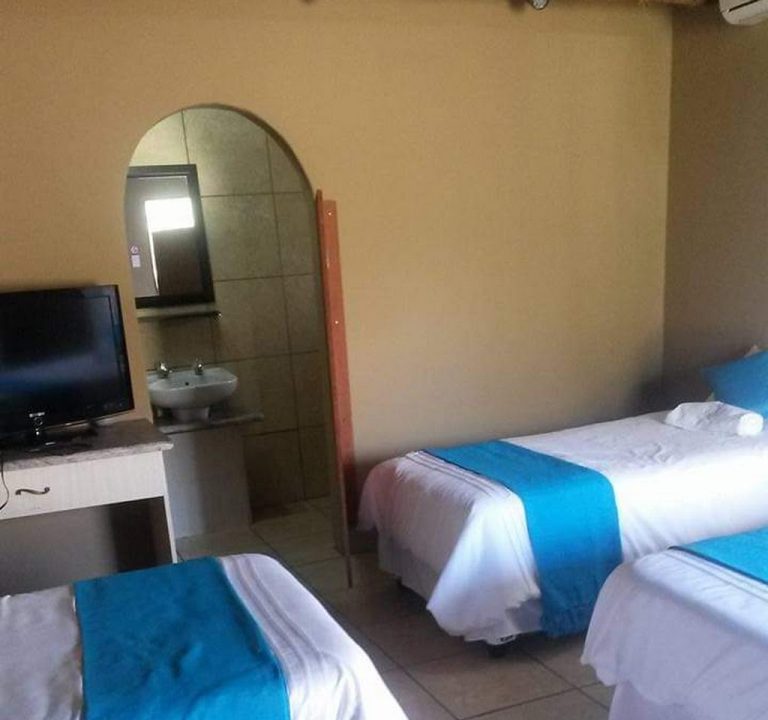
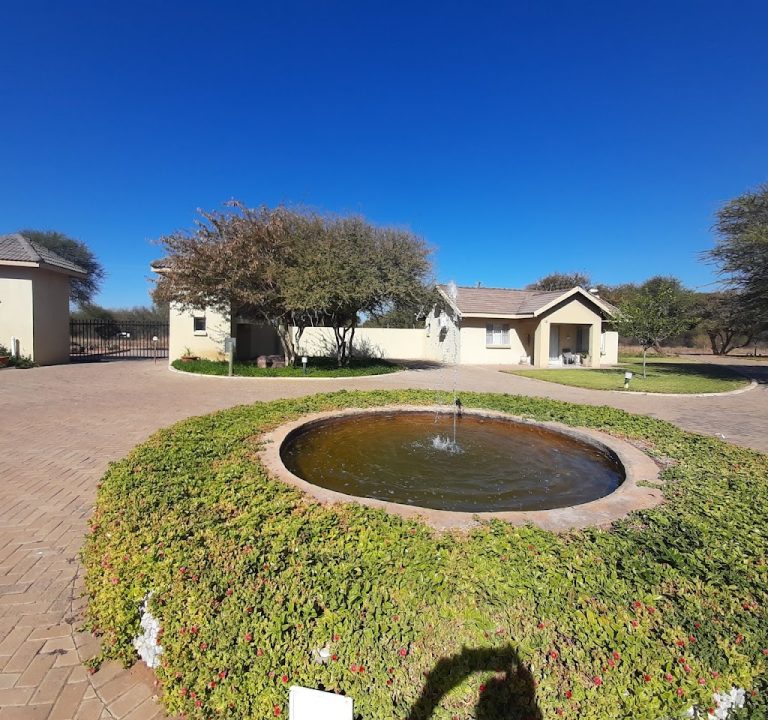
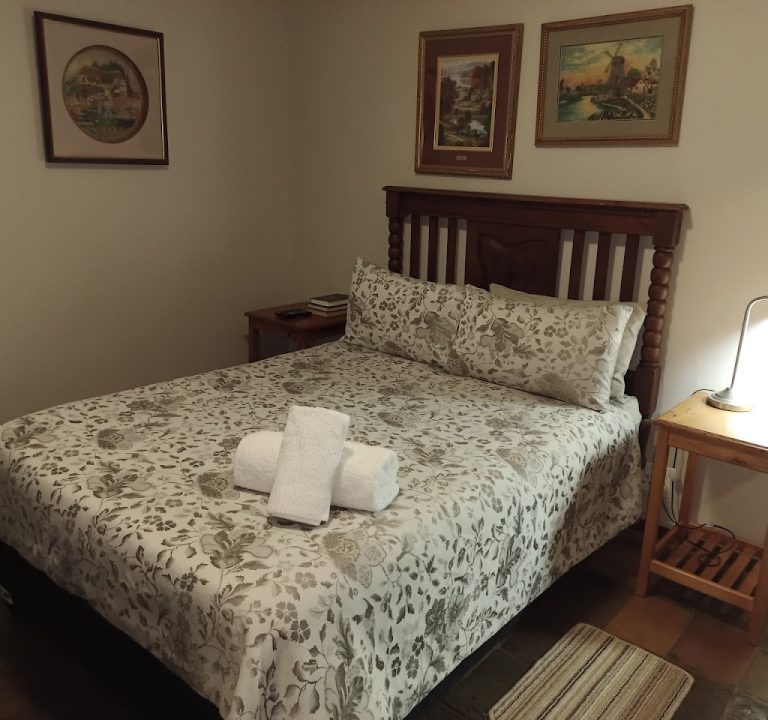
Lephalale sits in the Waterberg district of Limpopo, offering a blend of bushveld scenery, wide-open spaces and access to outdoor activities that suit both first-time visitors and seasoned travellers. When planning a stay, the area presents a mix of lodges, guesthouses and self-catering options that range from intimate retreats to more substantial in‑house amenities. A notable example of a lodge-style stay is Jentz Guest House, which illustrates how a comfortable, low-key base can work well for exploring the region.
Accommodation styles and what to expect
- Lodges and guesthouses: Many options in and around Lephalale emphasise relaxed, lodge-style hospitality with emphasis on outdoor living. Expect comfortable bedrooms, en-suite bathrooms, and spaces designed to highlight the surrounding scenery. Public areas often provide communal lounges, patios or verandas, and easy access to curated outdoor spaces.
- Self-catering and family-friendly stays: A number of properties offer self-catering apartments or cottages, ideal for groups or families who want flexibility for meals and large room layouts.
- Proximity to essentials: Depending on the location, lodges and guesthouses may be a short drive from supermarkets, fuel stations and local eateries. Some options are well situated for day trips to nearby reserves or rivers, reducing the need for frequent car hops.
- What to look for when booking:
- Location relative to your planned activities (game viewing, fishing, hiking, or town visits).
- On-site amenities such as outdoor seating, braai facilities, reliable hot water and robust wifi for longer stays.
- Family-friendly features if travelling with children, including safe outdoor spaces and flexible dining options.
- Accessibility and parking arrangements, especially for self-drive travellers.
- Clear cancellation policies and transparent pricing, particularly during peak travel periods.
Typical amenities you might encounter
- Comfortable en-suite bedrooms with fans or air conditioning.
- Private or shared outdoor spaces for al fresco dining and sundowners.
- Quiet lounges, reading nooks or verandahs with views of the savannah or riverine landscapes.
- Kitchens or kitchenettes in self-catering units, with basic utensils and cooking equipment.
- Outdoor braai areas, fire pits and shaded seating to enjoy the evening air.
- Secure parking, housekeeping services and on-site or nearby dining options.
- Basic services such as laundry facilities and information on local tours or activities.
Transport and getting around
- Self-drive is common for visitors, offering flexibility to explore reserves and scenic viewpoints at your own pace.
- Road conditions can vary; plan for gravel or rural roads in some areas, especially if venturing to more remote spots.
- Arranging transfers through your accommodation or a local operator can be helpful for early morning game drives or sunset outings.
- If you prefer public transport, check nearby towns for taxi or shuttle services, keeping in mind that schedules may be less frequent outside urban centres.
Best time to visit
- The region experiences a savannah climate with warm to hot days and cooler evenings.
- Dry winter months often provide comfortable conditions for bush walks and wildlife viewing, with clearer skies.
- The summer period brings occasional rain and humidity, which can transform landscapes and attract migratory birds, but it also means higher humidity and potential afternoon showers.
- Consider your activities when choosing timing: game viewing tends to be productive in the dry season when animals concentrate around water sources, while green season can offer lush scenery and birdlife.
Dining and local flavours
- Local eateries and lodge dining rooms typically feature straightforward, hearty menus and seasonal produce.
- Many accommodation providers offer on-site meals or coordinated dining options, while others direct guests to nearby cafés or restaurants in towns.
- For a flexible stay, plan a couple of evenings with in-house meals and reserve a couple of evenings to explore nearby dining options or a trusted local restaurant recommended by your host.
Activities and experiences (general terms)
- Nature and wildlife: Expect opportunities for guided or self-guided bush walks, birdwatching and scenic drives through open savannah and riverine landscapes.
- Water-based and outdoor pursuits: Depending on the location, you may find fishing, sunset boat trips, or simply tranquil spots by the water for picnics and photography.
- Cultural encounters: Some lodges arrange visits to nearby communities or markets where you can learn more about local crafts and traditions.
- Day trips: The surrounding area offers a range of countryside landscapes, from expansive plains to river valleys, making it suitable for photography trips and quiet, restorative breaks.
Practical planning tips
- Book ahead for peak seasons and school holidays to secure preferred lodges or guesthouses.
- Confirm what is included in the rate – breakfasts, dinner, housekeeping, and access to activities can vary between properties.
- Check cancellation policies and any minimum-stay requirements, especially during holidays or special event periods.
- Bring suitable clothing for variable weather and outdoor activities—layers work well for early mornings and evening game drives.
- Pack basics for rural stays: a basic first aid kit, insect repellent, sunscreen and a reusable water bottle.
A balanced stay in Lephalale can combine restful lodge comfort with easy access to outdoor activities and regional flavours. Whether you choose a compact guesthouse with a warm welcome or a more expansive lodge with river vistas, planning around location, amenities and local access will help you make the most of your Limpopo visit. For further inspiration, you can explore official regional tourism resources and browse individual property details to tailor a stay that fits your interests and travel pace.