Accommodation and Experiences in Lephalale, Limpopo
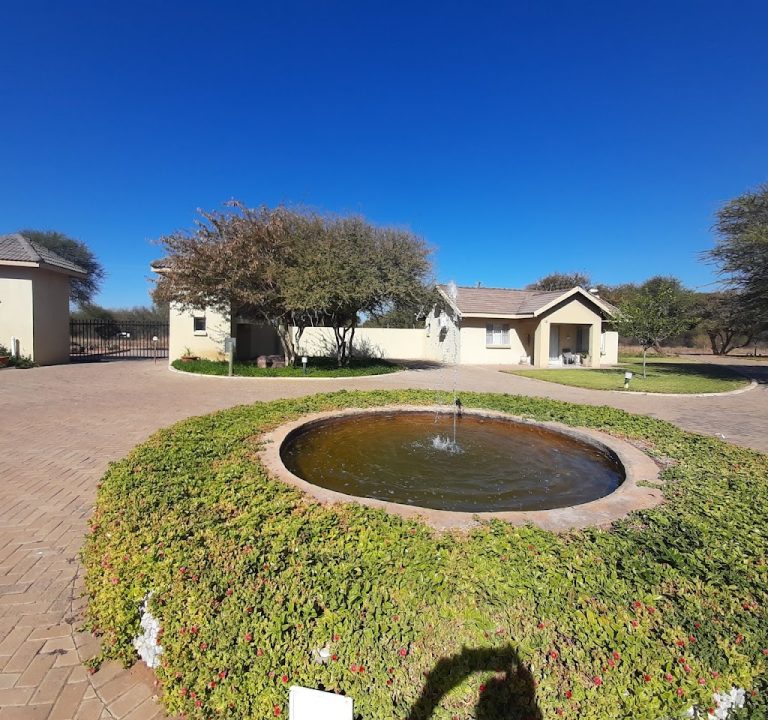
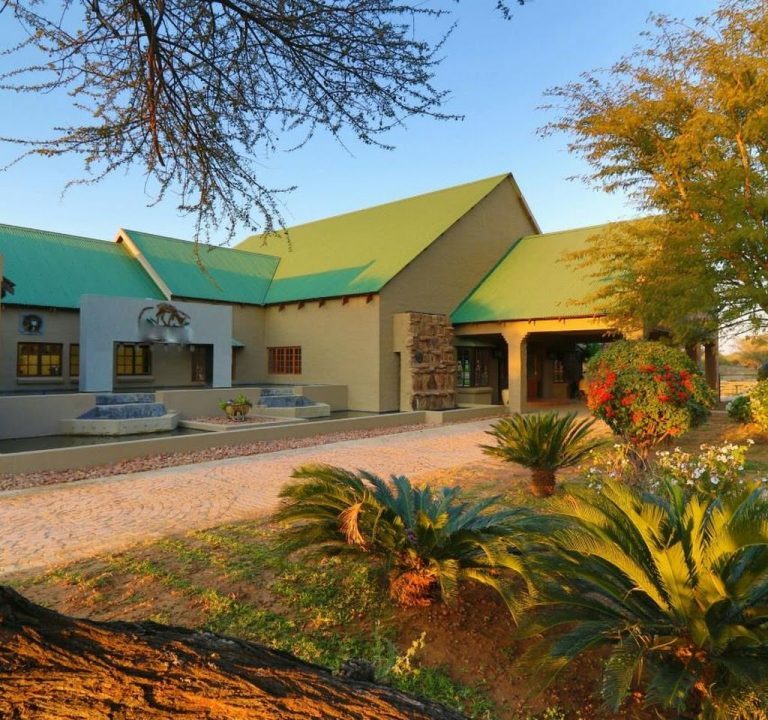
Lephalale, in Limpopo, sits where the plains meet the river systems, offering travellers a gateway to expansive landscapes, wildlife-friendly reserves and a slower pace of South African hospitality. When planning a stay, consider the different areas within and around Lephalale to balance access to natural sights with convenient amenities. The town centre provides practical comforts, while lodges and game-viewing areas on the surrounding farms and reserves offer a more immersive nature experience. If you are seeking a controlled, comfortable base, a lodge such as Savannah Tamboti Lodge can illustrate the type of accommodation commonly available in the district—often nestled near waterside zones or on private reserves, with a focus on quiet, intimate environments and personalised service.
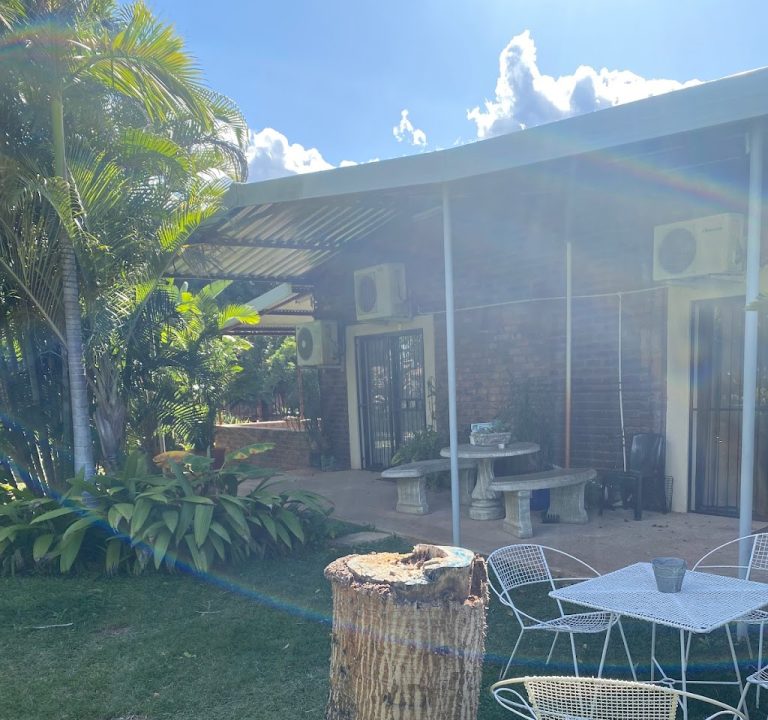
Accommodation in Lephalale tends to range from comfortable guesthouses and self-catering units to larger lodges with guided activities. When choosing where to stay, think about what you want from the trip: proximity to nature, access to self-drive routes, or the option to join guided game drives. Look for lodgings that prioritise correct licensing and safety standards, clear inclusion of meals or self-catering facilities, and reliable vehicle access. Because flexibility is essential in this region, many properties offer a blend of private verandahs, outdoor seating, and shaded social spaces that make the most of the warm Limpopo climate.
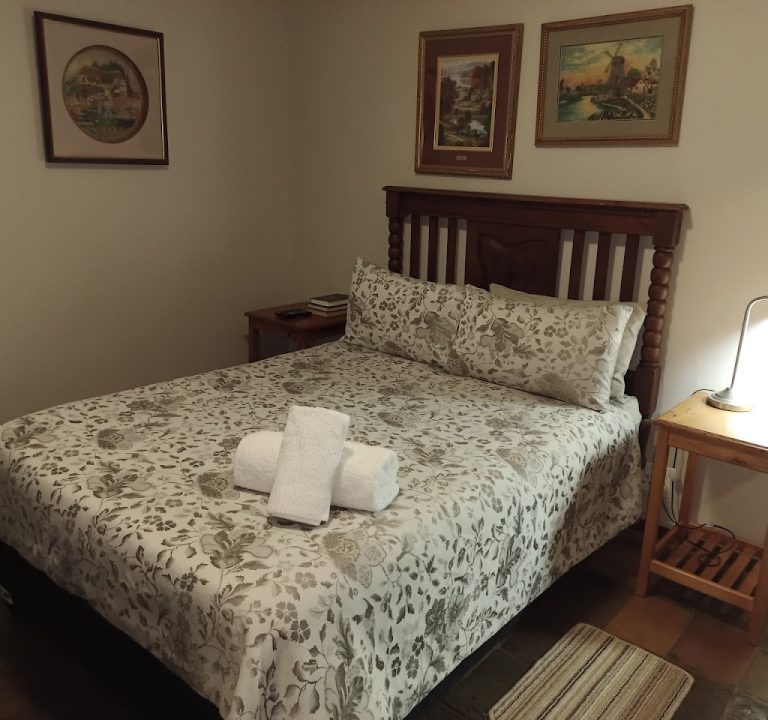
Typical amenities you might expect include en-suite bedrooms, air conditioning or fans for warmer months, clean linen and daily or periodic housekeeping, and on-site dining options or kitchen facilities. Outdoor features are particularly valuable here—think verandas, braai (barbecue) spaces, and easy access to nature trails. Families should look for child-friendly spaces and secure parking, while solo travellers often prioritise quiet zones, good Wi‑Fi for planning days, and organised activities. For a balanced stay, check whether the property offers transport arrangements, such as airport or town transfers, and whether they can assist with arranging activities without requiring long drives between sites each day.
Transport in and around Lephalale is best planned in advance. If you will be driving, verify parking arrangements and road conditions, especially if you intend to explore reserves or remote spots. Some lodges arrange guided drives or offer safari-style experiences that maximise wildlife viewing within which time frames work well for early morning or late afternoon sightings. Alternatively, self-drive routes can be rewarding, but you should be comfortable with longer drives on rural roads and ensure you have a reliable map or GPS device. For travellers without a vehicle, check the availability of transfers or the proximity of accommodation to town facilities and pick-up points.
The best time to visit Lephalale depends on your interests. Dry season months often offer clearer wildlife sightings and easier vehicle access in reserves. If you are drawn to birdlife or lush landscapes, the wetter months can bring vibrant scenery and different wildlife behaviours. Regardless of season, evenings can be cool, so packing layers is sensible. Be mindful of local climate patterns and seasonal heat, and plan outdoor activities for early mornings or late afternoons to avoid peak heat while enjoying cooler, more agreeable conditions for walking and viewing wildlife.
When planning activities, consider a mix of nature experiences, cultural encounters, and gentle leisure. You might allocate mornings to wildlife viewing or guided walks, afternoons to downtime at the lodge or a walking tour of nearby villages, and evenings to relaxed dining and stargazing. Restaurants in the area generally offer uncomplicated menus that reflect regional flavours—think grilled meats, fresh local produce, and hearty stews—paired with welcoming hospitality. If you enjoy trying local cuisine, ask your hosts for recommendations on where to eat nearby and whether they can arrange transport or a short ride to a preferred venue.
Practical planning tips to help you make the most of your stay:
- Book accommodation with clear cancellation policies and a transparent inclusions list (meals, activities, and transfers).
- Clarify parking, security, and accessibility features, particularly if you are travelling with family or older travellers.
- Pack a mix of lightweight clothing and a warmer layer for evenings, plus sun protection and a hat for daytime activities.
- Bring a binoculars or a camera with a good zoom for wildlife viewing and scenic landscapes.
- Confirm which activities are available on-site and whether a guide or vehicle is included or can be added as an extra.
For planning resources, consider checking official visitor information and regional tourism pages for Lephalale and the Waterberg area. The region’s natural beauty makes a relaxed pace of travel ideal, allowing you to enjoy the lodges, open spaces, and welcoming local experiences without rushing from one site to the next. Whether you choose a lodge with private verandahs, a self-catering option near a river, or a hostel-style base for budget-conscious explorers, Lephalale can be a pleasant base to explore Limpopo’s expansive landscapes while supporting local hospitality and sustainable travel practices.