Accommodation and experiences in Lephalale, Limpopo: planning your stay
Lephalale in Limpopo offers a gateway to wide-open landscapes, nearby wildlife reserves and river scenery, making it a solid choice for groups seeking comfortable lodges, guesthouses and self-catering options. When planning a stay, think about the pace you want, the size of your party and how you prefer to move around. The area suits family gatherings, corporate retreats and longer nature breaks alike, with several properties geared towards group accommodation and flexible agendas.
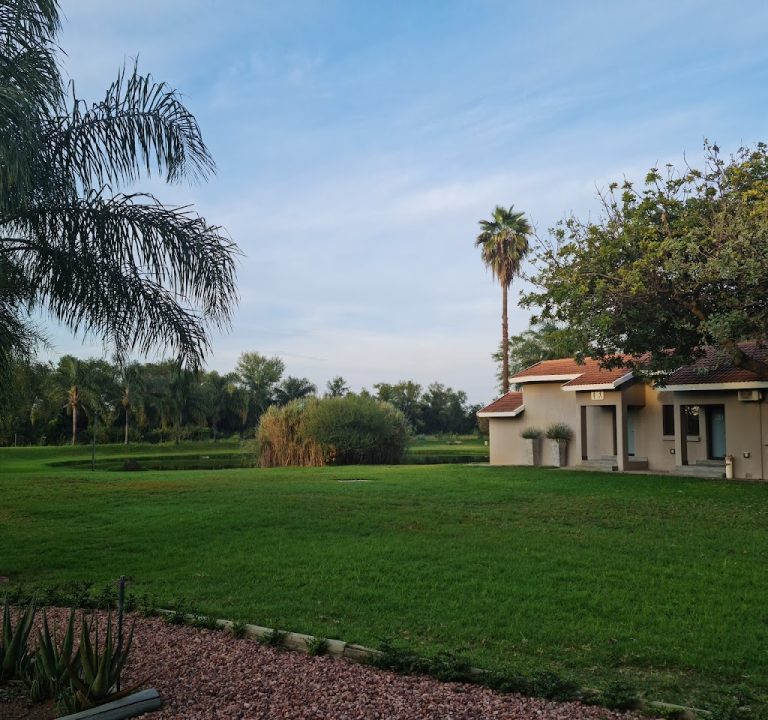
Accommodation in and around Lephalale ranges from intimate guesthouses to larger lodges and self-catering homes that can sleep many guests. Some options are set in more rural, scenic locations by rivers or near game reserves, while others sit closer to the town centre for convenience. If you are travelling as a group, look for properties that offer communal spaces, flexible bed configurations, and the option to arrange private meals or barbecues. For longer stays, consider properties with equipped kitchens or kitchenettes, laundry facilities and easy access to outdoor spaces like verandas and gardens.
Areas to consider when choosing where to stay include the central town area of Lephalale, which tends to offer easier access to shops and services, and outlying lodges or guesthouses that provide a more peaceful, nature-forward backdrop. If your group plans to focus on river or reserve experiences, ask about properties located near waterways or close to hiking trails and wildlife viewpoints. When booking, verify parking provisions (ample space for multiple vehicles is helpful for groups), accessibility for longer drives, and whether the property can help coordinate guided activities or transfers.
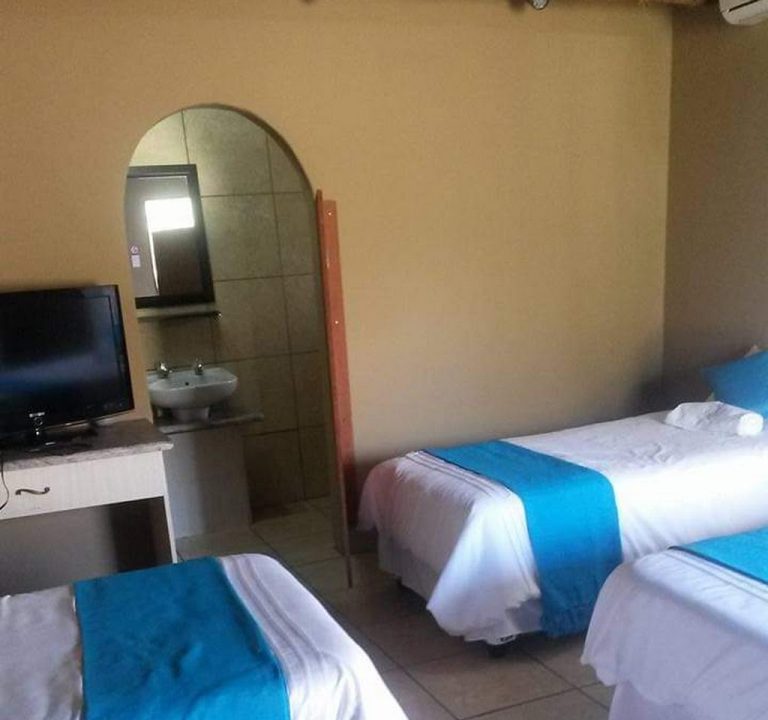
Typical amenities you might encounter include en-suite bathrooms, private terraces or patios, air conditioning or ceiling fans, and reliable Wi‑Fi for stay‑at‑home planning or remote work. Many lodges and guesthouses offer swimming pools, braai/barbecue facilities, and shared lounges or dining areas—the kind of features that make group stays sociable and relaxed. Some properties may include on-site meals or have arrangements with nearby eateries; others will provide self-catering options with clear guidance on quiet hours and dining areas.
Transport is a practical consideration. Lephalale is best explored with a vehicle, enabling easy day trips to nature reserves, viewpoints and dining spots. If you’re arriving from Johannesburg or Polokwane, a road journey offers flexibility to hop between different accommodation bases and attractions. For guests without a car, check whether your accommodation can arrange transfers or local guided experiences, as this can simplify travel between venues and activities.
The best time to visit Lephalale depends on what you want from your trip. Dry winter months (roughly May to September) bring clearer wildlife viewing and comfortable daytime temperatures, making it a popular choice for game drives and outdoor activities. Spring and summer bring lush landscapes and river scenery, with the possibility of afternoon showers. If you’re seeking birdlife or fishing, check seasonal patterns and local advisories for waterways near your chosen base. Always pack suitable clothing for varying conditions, and consider sun protection and insect repellent for outdoor days.
Practical tips for planning a stay in Lephalale:
- Book well in advance for group stays, especially in peak seasons, to secure preferred rooms and shared spaces.
- Confirm the included amenities: meals, kitchen facilities, laundry, and access to outdoor areas that suit your group’s plans.
- Ask about private or guided activities, such as nature walks, birdwatching, or game-viewing experiences, and whether these can be arranged as part of your package.
- Check on security and parking arrangements, particularly if your group has multiple vehicles or late arrivals.
- Consider a mix of accommodation types within the group—some guests may prefer self-catering homes, while others enjoy fully serviced lodges with communal spaces.
When it comes to attractions and nearby dining, Lephalale offers broad, nature-focused options. Expect opportunities for wildlife viewing in nearby reserves, scenic river walks and viewpoints, and quiet spots to relax after a day of exploring. Dining experiences tend to range from informal local eateries to more substantial restaurant settings within or close to accommodation properties. Because offerings can vary by season, it’s worth asking hosts for current recommendations on where to eat and what to do locally during your stay. For a broader taste of the region, explore information from local tourism websites and guest hosts, which often highlight the best landscapes, trails and community experiences without tying you to fixed itineraries.
Practical planning notes for a smooth Lephalale visit: confirm check-in and check-out times, understand cancellation policies, and ask your host about any seasonal advisories or local events. If you’re coordinating a group, request a single point of contact or a coordinator at the property to help streamline activities and dining plans. If you’re curious about staying connected, verify Wi‑Fi reliability in shared spaces and rooms, as this can be important for coordinating group itineraries or sharing photos from your trip.
Finally, a well-planned stay often balances downtime with discovery. Consider building in a couple of flexible days to simply enjoy the scenery, pace of the lodge or guesthouse, and any guided experiences arranged through your host. With the right mix of accommodation, transport, and local insight, Lephalale can offer a memorable base from which to explore Limpopo’s natural beauty and tranquil surroundings.