Accommodating Lephalale: Where to stay and what to do in Limpopo’s northern reaches
Lephalale in Limpopo offers a mix of relaxing lodges, comfortable hotels and guesthouses that cater to travellers seeking wildlife experiences, open spaces and convenient access to the Waterberg region. When planning a stay, consider both the town’s modern comforts and the surrounding natural areas that characterise this part of South Africa.
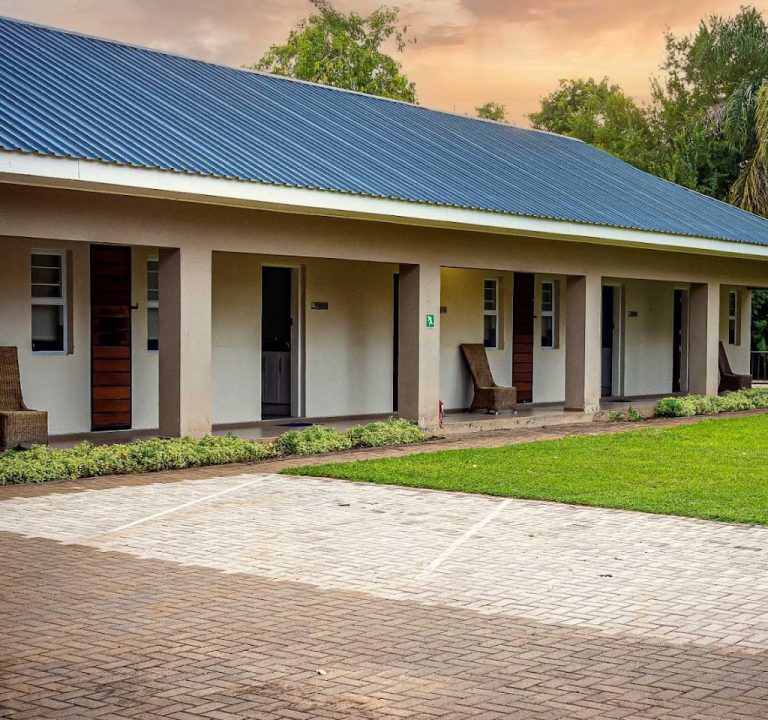
Accommodation options range from petite guesthouses to larger hotels, including properties branded for business travellers, families and wildlife enthusiasts. One notable option is African Olive Accommodation, a local choice known for its practical rooms and friendly service. When evaluating where to stay, think about the pace of your visit, transport needs and how close you want to be to key sights and routes. Proximity to main roads or fuel stations can be a practical factor if you are exploring the region by car.
Areas to consider for your stay include:
- Central Lephalale: convenient for access to services, shops and dining, with easy routes to surrounding reserves and viewpoints.
- Outlying lodges and guesthouses: ideal for wildlife-focused trips, offering quieter environs and closer proximity to nature.
- Rural and lodge-filled outskirts: provide immersion in the landscape, with opportunities to observe birds and local fauna.
What to look for when booking:
- Room configuration: consider the number of beds, en-suite facilities and whether you need a kitchenette or lounge area.
- Access to nature and activities: check if the property can arrange guided drives, game viewing, or foot-safaris, and whether ethical wildlife viewing practices are observed.
- Meal options: some places offer on-site dining, self-catering or nearby eateries—think about whether you want breakfast included or a full-board option.
- Safety and accessibility: verify secure parking, 24-hour reception or staff presence, and whether the property is easily reachable from major roads.
- Pet policy if travelling with animals, and connectivity for those who need to stay connected.
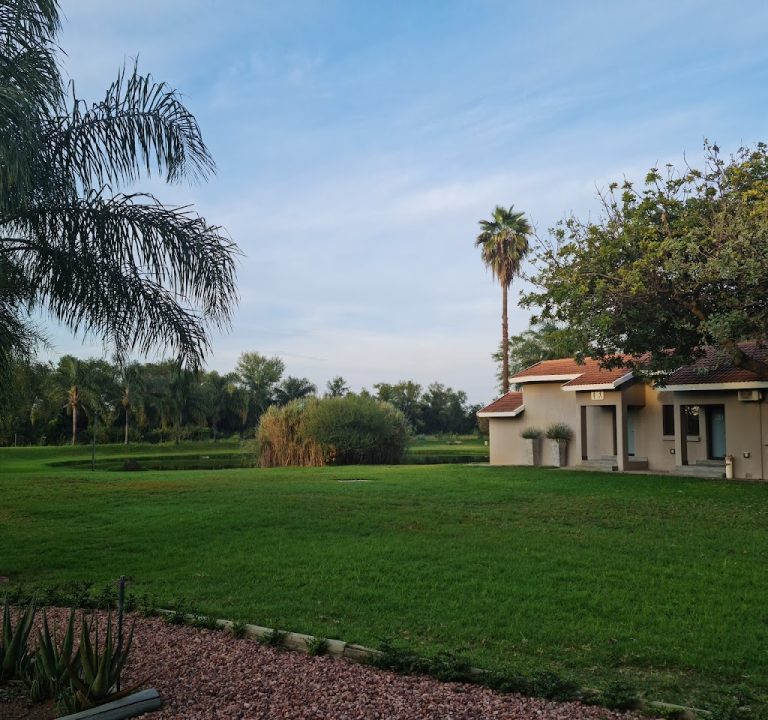
Typical amenities you might encounter include air conditioning, clean and well-maintained en-suite bathrooms, hot water supply, Wi-Fi access, and on-site parking. Some properties provide outdoor spaces such as patios or verandas, barbecue areas, and shaded seating where you can relax after a day of exploring. If you are staying with family or in a group, look for larger rooms or family-friendly layouts, plus access to laundry facilities or communal spaces.
Transport and getting around:
Many visitors arrive by car, and the road network in and around Lephalale is relatively straightforward for self-drive trips. If you prefer not to drive, some hotels arrange airport or regional transfers where possible, or can help with local taxi arrangements. Planning your day ahead—knowing where you will eat, fuel up and start your excursion—helps make the most of your time in Limpopo’s northern towns. If you are considering day trips to nearby reserves or viewpoints, confirm the best departure points with your accommodation so you can maximise your time in nature.
Best time to visit and practical tips:
- Lephalale experiences warm to hot summers and mild winters. The dry season (often from late autumn to winter) can be excellent for wildlife viewing and comfortable daytime temperatures, while the wetter months bring lush scenery and more bird activity.
- Sun protection is essential; bring hats, sunscreen and lightweight, long-sleeved layers for cooler evenings.
- Hydration matters—carry water when you go on excursions and keep a small first-aid kit handy for minor injuries or bites.
- Respect local wildlife and follow guide instructions if you join any organised safaris or nature walks.
- Budget time for meals away from your base as not all areas have a dense concentration of restaurants; your accommodation might offer in-house dining or can point you to nearby options.
Attractions and experiences in general terms:
Lephalale serves as a gateway to broader natural landscapes and wildlife experiences in Limpopo. Outside of long drives or guided safaris, you can expect serene scenery, riverine habitats and opportunities to encounter a variety of birdlife. The region’s appeal often lies in the pace of life, the wide horizons, and the chance to observe the rhythms of rural South Africa. For dining and social life, seek recommendations from your hosts or staff at your lodging for nearby eateries offering regional cuisine and casual meals.
Practical planning notes:
- Book in advance during peak holiday periods to ensure preferred room types and access to activities.
- Confirm arrival times and any check-in procedures, especially if your flight or drive lands late in the day.
- Ask about guided options, such as day safaris or nature walks, and whether these can be customised to your interests and fitness level.
- Check cancellation policies and what is covered in the rate, as plans can change with weather or logistics.
Whether you are seeking a calm base for exploring wild landscapes, a comfortable stopover during a broader Limpopo itinerary, or a small-scale boutique stay with a local flavour, Lephalale and its surrounding areas offer a straightforward, hospitable entry point to northern South Africa. With careful planning around accommodation type, transport and activities, you can enjoy a rewarding stay that blends relaxation with the region’s distinctive natural backdrop.