Where to stay and what to do in Cape Town: accommodation, attractions and dining
Cape Town offers a horizon of staying options that suit every traveller, from stylish boutique BnBs and family‑run guesthouses to self‑catering cottages and contemporary hotels. When planning a stay, it helps to think about what you want from your base: near the sea, within easy access to city sights, or tucked away in leafy suburbs with a calmer rhythm. The city’s diverse neighbourhoods each offer a distinct vibe, excellent transport links, and a range of practical amenities to make your visit smooth and memorable.
Areas to consider include the Atlantic Seaboard for sunlit beaches and dramatic ocean views, the City Centre and Bo-Kaap for culture and convenience, and Constantia or the Southern Suburbs for green spaces and wine estates nearby. If you prefer a quieter coastal feel with penguin-view opportunities, Kalk Bay and St James provide charming seaside appeal. For those who want a cosmopolitan mix of dining, galleries and nightlife, the Victoria & Alfred Waterfront area is a convenient hub with excellent access to ferries and tours. When choosing accommodation, look for options that state clear details about parking, security, and access to public transport or reliable ride-hailing services.
Typical amenities to expect include complimentary Wi‑Fi, secure parking, and self‑ catering facilities or breakfast options. Some cottages and BnBs offer both a well‑equipped kitchen and foldable dining spaces, which are ideal for families or groups. Expect well‑appointed rooms with comfortable bedding, climate control for warm summers and cooler evenings, and thoughtful touches such as tea and coffee provisions, maps, and local guide information. If you are travelling with mobility needs, check access features, lift availability, and whether rooms are on ground level or reachable without stairs. For longer stays, note whether laundry facilities are offered on site or nearby and what the neighbourhood stores and markets can provide for groceries and supplies.
When to visit Cape Town matters for weather, crowds and prices. The late spring and autumn months offer mild temperatures and more manageable crowds, while the summer peak (roughly December to February) brings busier beaches and festive colour. Winter can be cool and wet, but it also offers still‑clear skies on many days and quieter streets. If you are chasing outdoor adventures, plan Table Mountain visits for mornings when the air is typically crisper and the cable car queues are shorter. Ocean activities can be wonderful year‑round, but be mindful of wind, water temperatures, and local safety guidance. Always check the local forecast and, if you plan to hike or drive along the peninsula, allow extra time for road conditions and wildlife along the coast.
Getting around is straightforward but benefits from a bit of planning. The MyCiTi bus rapid transit system serves central routes and popular tourist corridors, while Uber and other ride‑hailing services offer flexible door‑to‑door options. If you prefer independence, renting a car gives you the freedom to explore the Cape Peninsula, Constantia’s wine estates, and the nearby Cape Winelands at your own pace. Some neighbourhoods are best enjoyed on foot, with walkable routes along promenades, harbour areas, and scenic viewpoints. When booking, consider proximity to your planned activities and estimate travel times between your accommodation and sights such as Table Mountain, the V&A Waterfront, Kirstenbosch Gardens, Cape Point, and Boulders Beach penguin colony.
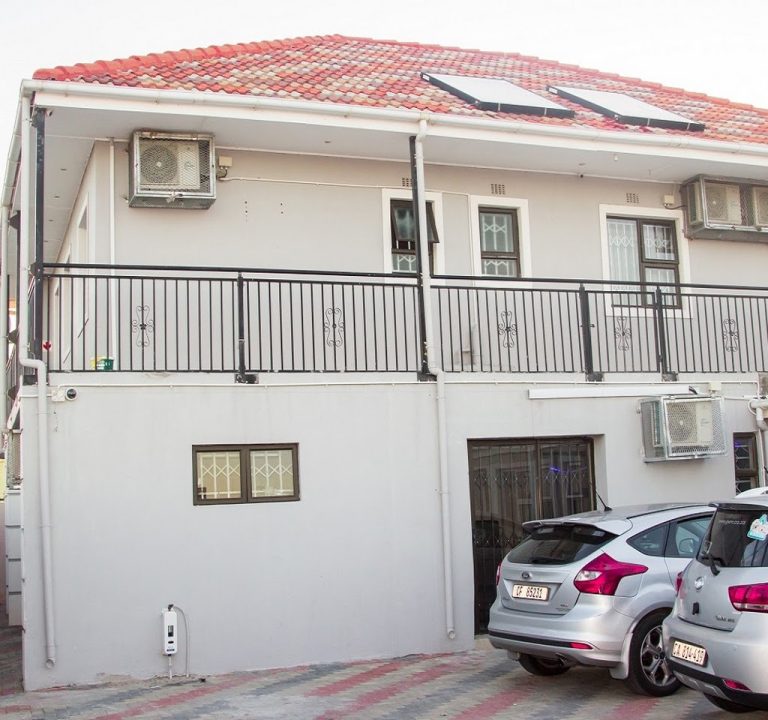
Accommodation in Cape Town also presents excellent opportunities to experience local food cultures. In recent years, dining scenes have grown with emphasis on fresh seafood, South African barbecue (braai) traditions, and modern African and fusion cuisine. Choose stays that are close to a good mix of casual eateries and more refined restaurants, or that can provide guest recommendations for nearby markets, bakeries, and coffee spots. For a well‑rounded visit, pair a day of sightseeing with a relaxed dinner at a reputable neighbourhood restaurant or a harbourfront venue offering sunset views over the harbour. If you are seeking a cosy base that reflects a cottage‑style stay, you might encounter options described as a “cottage” or “boutique cottage”; such places often provide a warm, homely atmosphere with simple, well‑equipaged living spaces that are ideal after long days of exploration. A cottage‑style stay, including one such example as JC HOUSE OF PROSPER MINISTRY (Category: Cottage), can offer a compact yet comfortable base with easy access to local experiences while maintaining a home‑from‑home feel.
To help you plan, here are practical pointers to consider when booking:
- Check whether breakfast is included and what the serving times are, especially if you plan early starts for mountain visits.
- Look for flexible cancellation policies in case your plans shift with weather or transport disruptions.
- Ask about self‑ catering facilities and the nearest grocery stores or markets for easy meal planning.
- Confirm parking arrangements if you are driving, along with theft protection and lighting in the area.
- Investigate access to transit routes and walking distance to main sights you intend to visit.
For more inspiration on Cape Town’s attractions, you can explore both the natural and cultural highlights in the region. Panoramic coastal drives, easy‑to‑reach viewpoints, and world‑class gardens sit alongside historic sites and vibrant markets. Choosing the right accommodation will help you balance restful downtime with the energy of the city, enabling you to experience the region’s landscapes, flavours and people at a comfortable pace. If you’d like further guidance, reputable tourism sites offer practical tips and suggested itineraries to tailor a stay that matches your interests and travel style.