Cape Town: Where to stay, what to plan, and what to explore
Cape Town blends dramatic scenery with a cosmopolitan, culture-rich vibe, making it a destination where your choice of accommodation can shape the pace and flavour of your visit. Whether you prefer a sunlit room overlooking the Atlantic, a boutique guesthouse in a leafy neighbourhood, or a homestay with a personal touch, the city caters to a wide range of budgets and expectations. When planning a stay, it helps to consider both the accommodation type and the area you’ll call home for a few days at a time.
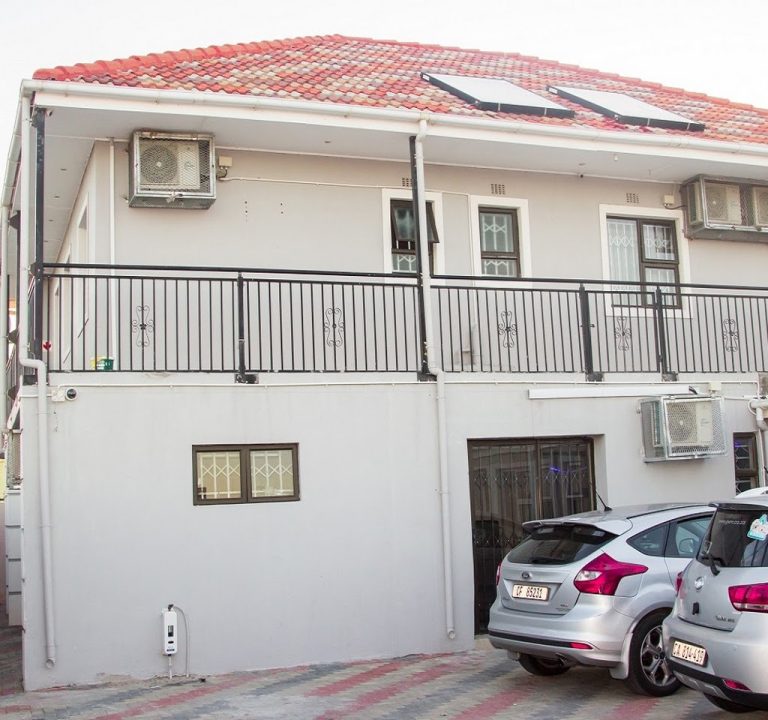
Areas to consider include the City Bowl for easy access to restaurants, markets and museums; the Atlantic Seaboard, with its beaches and breezy, stylish hotels; and the Constantia Valley for wine-country charm and a quieter, family-friendly atmosphere. If you want proximity to the harbour and waterfront activities, the V&A Waterfront area is convenient, while Woodstock and Observatory offer a trendy, up-and-coming vibe with good transport links into the city centre. For a quieter escape, leafy Constantia or the lushness of neighbouring suburbs provide a more relaxed base. For a homestay experience, you may find options in residential neighbourhoods that emphasise personal interaction and local flavour, such as Cekiso Residence, a homestay that can offer a genuine sense of daily life in the city.
When booking, look for a few practical details to avoid surprises. Proximity to transport is often worth prioritising in a city with steep hills and varied elevations. Check whether the property has off-street parking or easy access to safe public transport, including buses and ride-hailing services. Review the neighbourhood safety features, such as well-lit streets, secure entrances, and proximity to known tourist routes. Confirm what is included in the rate—breakfast, towel changes, daily housekeeping, and whether the kitchen or self-catering facilities are available. If you’re travelling with family or a group, a serviced apartment or larger suites with flexible layouts may offer better value and comfort than a compact hotel room.
Typical amenities in Cape Town accommodations range from reliable Wi‑Fi and coffee-making facilities to on-site parking and swimming pools. For summer stays, air conditioning and shade from outdoor spaces can make a big difference, while winter visits may benefit from cosy lounges and heating. Kitchen facilities, where available, are particularly useful for self-catering meals after a day of sightseeing or wine-tasting. If you’re exploring on a budget, consider guesthouses or homestays that provide a simple good breakfast and a central location, which can significantly reduce dining-out costs while still keeping you close to major attractions.
Getting around Cape Town can be straightforward but requires some planning. The city has a modern urban transport network, including bus services and rideshare options, which can be convenient for short trips into the heart of the city or to popular beaches. For trips to the Cape Winelands, coastal towns, or the scenic drives along the Atlantic coast, hiring a car offers flexibility, though guided tours and organised day trips are also a good option for first-time visitors. If you prefer not to drive, many areas are walkable or served by reliable taxi and shuttle services, particularly in the central districts and along the Atlantic Seaboard.
The best time to visit Cape Town depends on what you want from the trip. The summer season (roughly November to February) brings long days, warmer seas and excellent beach weather, perfect for outdoor activities and harbour-side dining. Spring and autumn offer mild temperatures and fewer crowds, which can be ideal for exploring the city’s parks, markets and nearby attractions at a relaxed pace. Winter (June to August) is cooler and windier, but the city’s indoor scene—museums, galleries, and indoor markets—thrives, and the surrounding winelands remain lovely for day trips with cosy cellar doors and views of fynbos in bloom in the right seasons.
Accommodations in Cape Town commonly provide access to a range of local experiences, from wine-tuelled tours and food markets to coastal walks and mountain viewpoints. When choosing a base, consider what you most want to see and how long you plan to stay in each area. If you’re seeking iconic natural scenery, plan a day for Table Mountain or the surrounding peaks, and allow time for scenic drives along the Atlantic coast. For culture and cuisine, look for locations within easy reach of museums, markets and diverse dining options, as well as places that can organise guided walks or experiences with local hosts.
Practical tips to ensure a comfortable stay: bring a light jumper for coastal winds, plan for sun protection even on cooler days, and stay aware of your surroundings in crowded areas. Tap water is typically safe to drink in Cape Town, but check local guidance during periods of water restrictions or drought. When dining out, try to book ahead during peak seasons and weekends in popular neighbourhoods. If you’re staying in a homestay or guesthouse, you may have access to insider tips about hidden viewpoints, local eateries, and less-touristy routes, which can add a meaningful dimension to your visit. For detailed planning, consult official tourism pages and the accommodation’s own website, which may feature practical information, nearby attractions, and suggested day trips.
In summary, Cape Town rewards visitors who align their stay with their travel goals—whether that means a buzzing city-base with quick access to beaches, a tranquil home near wine estates, or a boutique stay that brings you close to local life. With thoughtful selection of area, amenities, and transport options, you can craft a balanced itinerary that blends natural grandeur, cultural discovery, and memorable meals along the way.