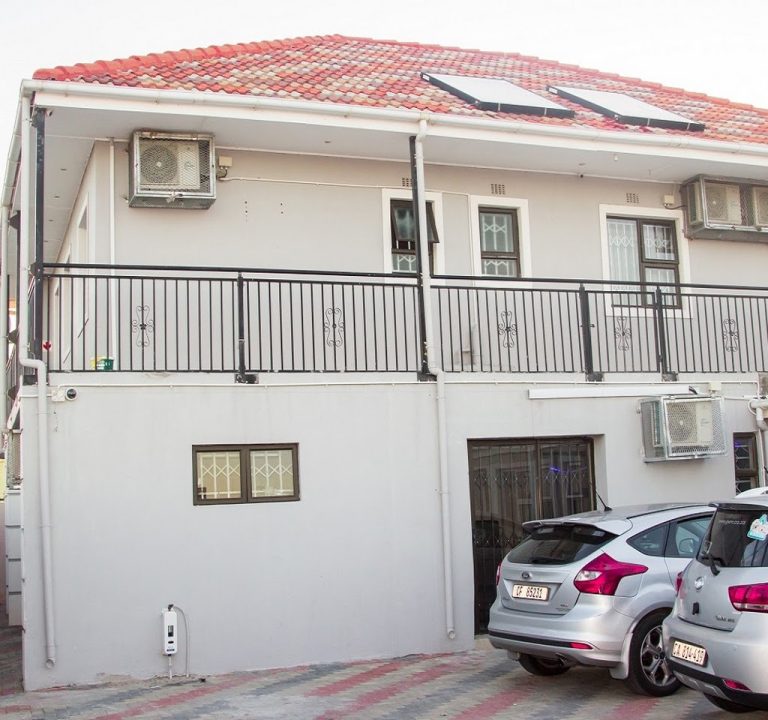
Cape Town: Accommodation and Experiences for a Memorable Stay
Capetown, perched between the Atlantic Ocean and the iconic Table Mountain, offers a diverse mix of stays across vibrant neighbourhoods. From understated guesthouses in leafy suburbs to stylish boutique hotels along the Atlantic Seaboard, visitors can tailor accommodation to their rhythm—whether the goal is a relaxed escape, a foodie pilgrimage, or a base for exploring nature and culture. When planning a stay, consider both your daily pace and the kind of scenery that excites you most: city views from a balcony, slow-drip mornings in a quiet garden, or easy access to beaches and hiking trails.
Areas to consider for your base include the City Bowl, where leafy streets give a Central Cape Town experience within easy reach of museums, markets, and dining. The Atlantic Seaboard, including Camps Bay and neighbouring beaches, is ideal for coastal scenery, sunsets, and a slightly more glamorous, resort-like feel. Constantia offers wine-insPIRED countryside charm, with ample opportunities for day trips to vineyards and scenic trails. For a more authentic, colourful vibe and direct access to historic streets and markets, Bo-Kaap and the nearby CBD make an atmospheric home base. Each area has its own pace, so think about what you’ll be doing most days to steer your choice.
Typical amenities to expect in well-rated accommodation include reliable complimentary Wi‑Fi, air conditioning or fans for warmer days, and generous breakfast options or self-catering facilities. Many properties offer well-equipped kitchens or kitchens within suites, comfortable living spaces, and private or shared outdoor areas with city or sea views. If access to outside spaces matters, look for rooms or lounges that open onto balconies, courtyards, or terraces. For families, properties with adjoining rooms or suites, child-friendly spaces, and flexible housekeeping can make planning easier. If you’re arriving after long travel, a quiet room, late check-in flexibility, and clear directions from the host or manager can be a real boost.
Transport in Cape Town is varied and convenient, but plan a little in advance. The City Centre and V&A Waterfront are walkable areas, with rideshares and reliable minibus-taxi services for longer hops. If you’ll be venturing to the Cape Peninsula or wine country, a car or organised tours often makes the most sense. Some accommodation options provide parking or shuttle services; others are located near major bus routes or taxi hubs. If you’re not renting a car, check proximity to tram or bus routes and the frequency of services to your planned day trips. Safety is a practical consideration: choose lodging with well-lit entrances, secure parking if you have a vehicle, and clear guidance on getting around after dark.
The best time to visit Cape Town varies with interests. For beach days and outdoor activities, late spring and summer (roughly November to March) offer warmer seas and longer daylight hours. If you’re drawn to hiking and cape flora, late winter to early spring brings lush landscapes, though some days can be cooler and breezy. For calmer periods and better value, the shoulder seasons—April to May, and September to October—often feature pleasant weather and thinner crowds. Booking in advance is wise for popular periods, particularly for stays with panoramic sea or mountain views or in highly sought-after neighbourhoods.
When planning activities, you’ll find a breadth of experiences that suit different interests without committing to data-heavy itineraries. Cultural highlights and scenic viewpoints are abundant across the city, while guided walks, foodie tours, and cellar door visits offer deeper insight into local life. For a relaxed day, consider a stroll along a waterfront promenade, followed by a meal at a restaurant known for fresh, seasonal ingredients. If you crave nature, setting aside time for Table Mountain cableway rides, Kirstenbosch Botanical Garden, or rocky coastlines can form the backbone of your trip. For longer explorations, day trips to the Cape Peninsula, Cape Point, or nearby winelands provide dramatic landscapes and memorable photo opportunities.
To help you plan your stay, here are practical considerations to keep in mind when booking accommodation:
- Location relative to your planned activities and transport options
- Room layout, daylight, and privacy (important for couples and families)
- Included meals or kitchen facilities for flexibility and budget control
- Wi‑Fi reliability and space for remote work if needed
- Parking availability and access to public transport
- House rules, check-in times, and flexibility for early or late arrival
- Waste management and sustainability practices of the property
When selecting places to eat and visit, look for spaces that celebrate fresh produce and local hospitality. Breakfasts may range from continental spreads to hearty, home-cooked options, with many hosts recommending casual neighbourhood cafés for lunch and dinner. In the evenings, you can expect a mix of modern bistros and traditional venues offering seafood, grilled meats, and comforting regional dishes. Rather than fixed names, focus on experiences—watching a sunset over the Atlantic, sampling farm-to-table dishes, or enjoying a wine-tuel tasting room after a day of exploration. For planning, reputable travel resources and guest reviews can help you identify places that align with your budget and taste, without committing to any single itinerary.
Finally, build some flexibility into your plans. Cape Town rewards spontaneity—small discoveries, like a friendly coffee roastery or a scenic detour along a coastal pass, can become fond memories. By choosing accommodation that suits your pace and offering clear guidance on transport and neighbourhood amenities, you’ll set the stage for a relaxed, immersive stay in this extraordinary corner of the Western Cape.