Johannesburg: where to stay and what to do
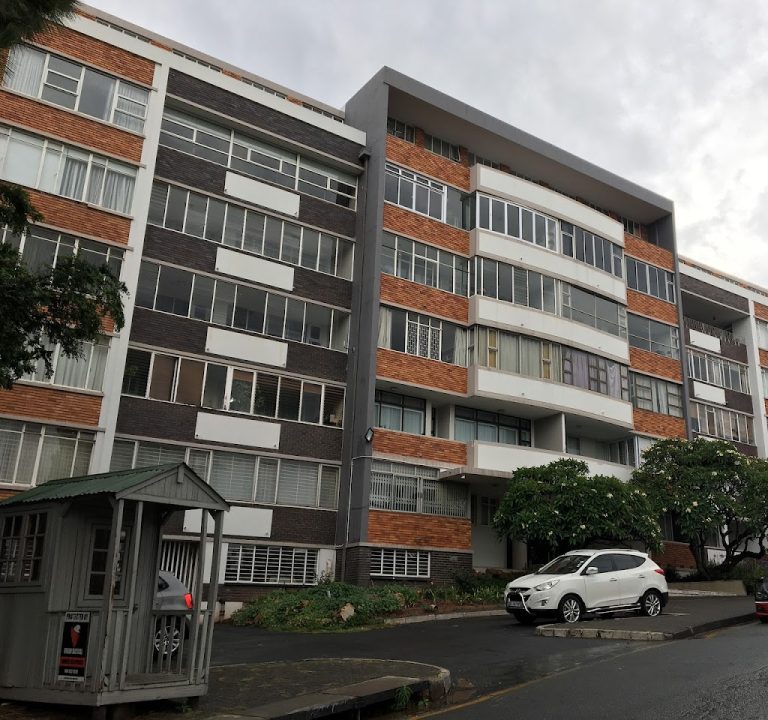
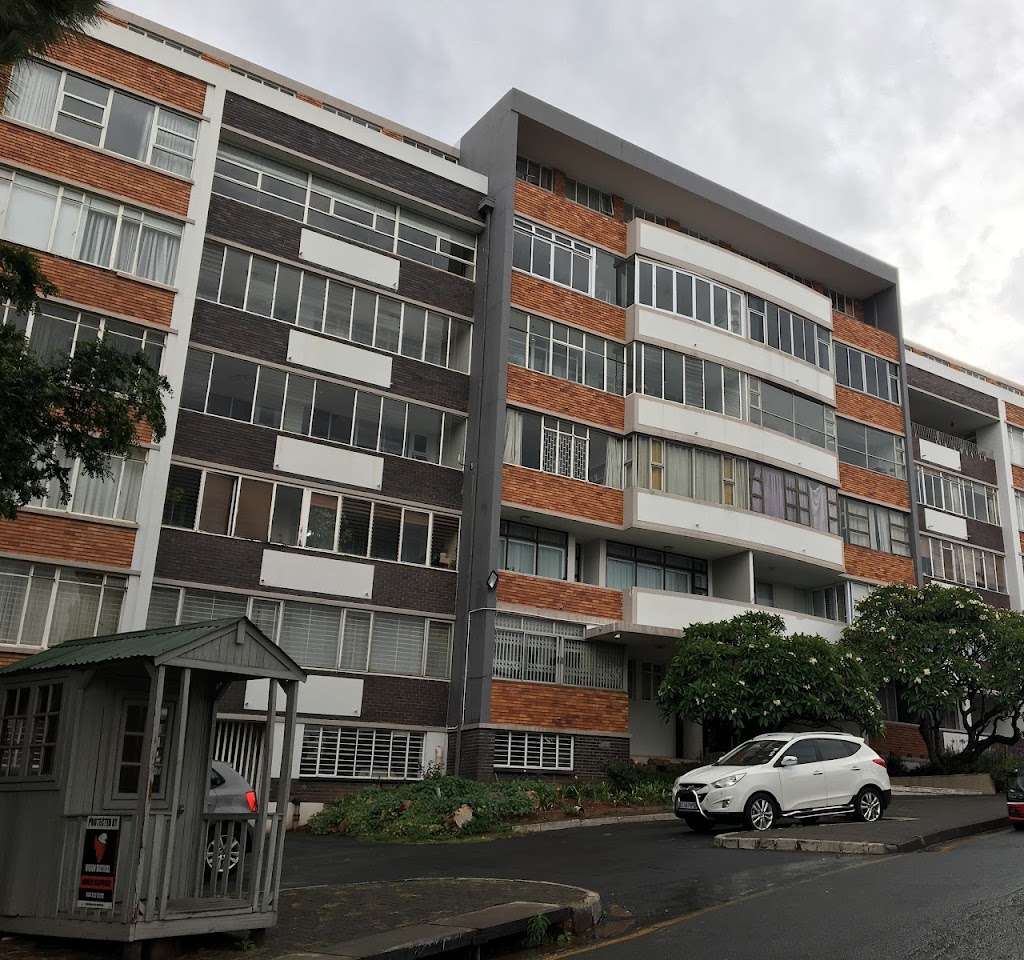
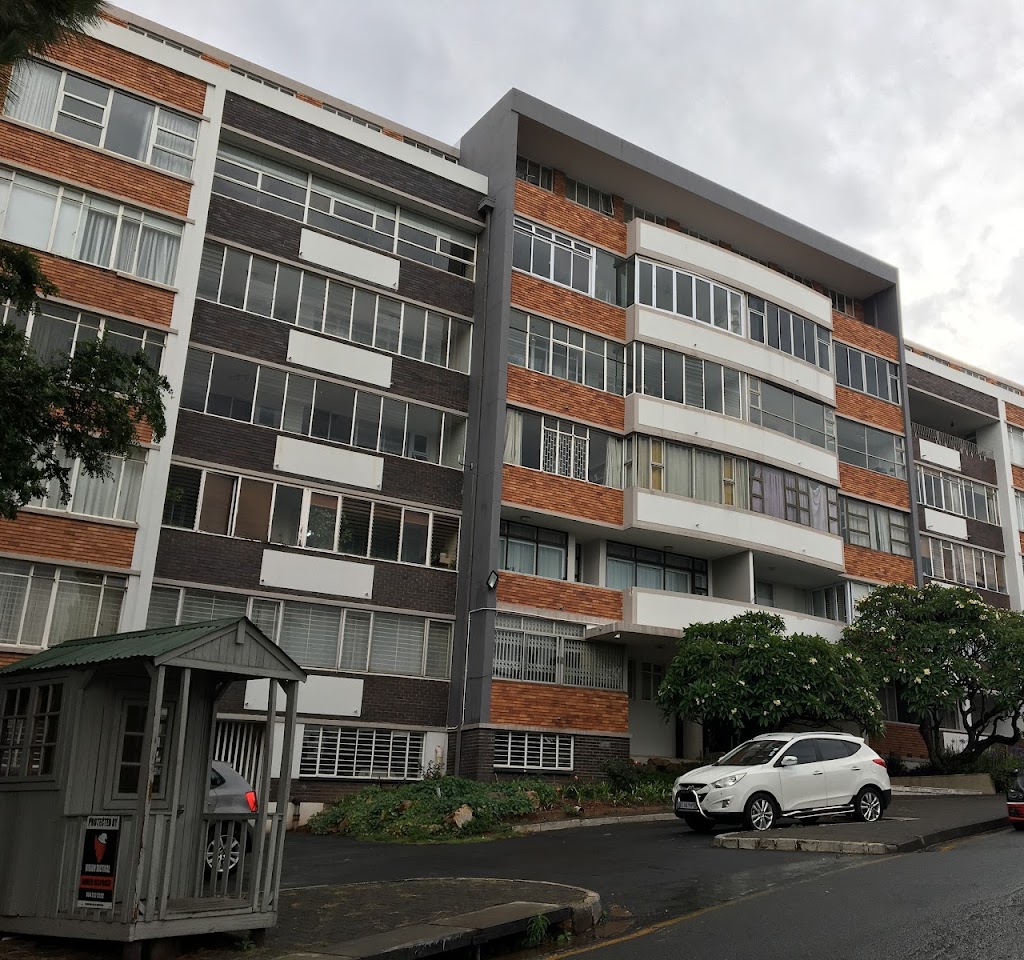
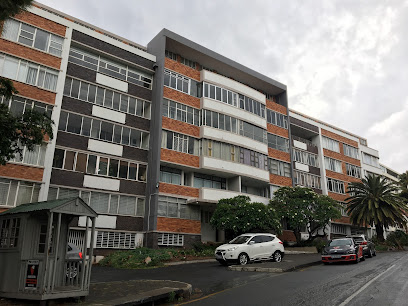
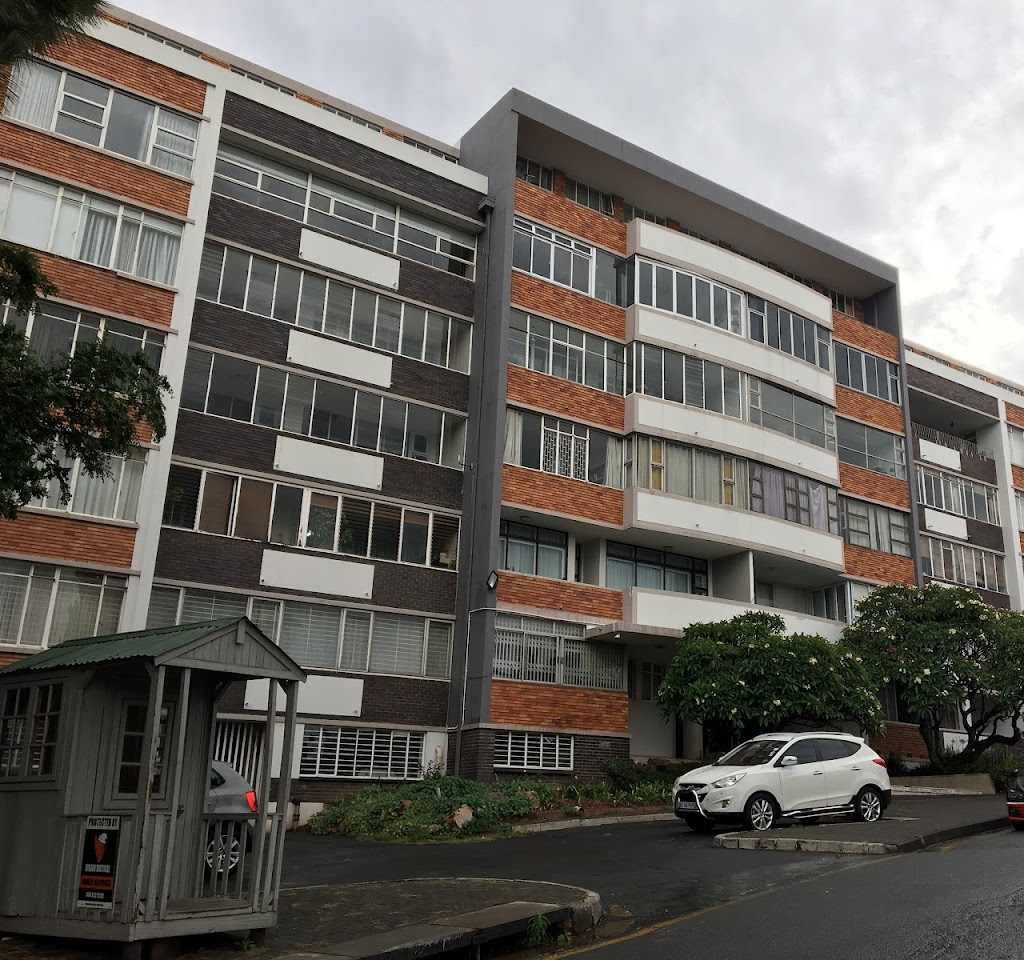
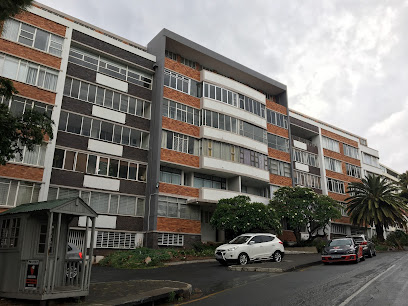
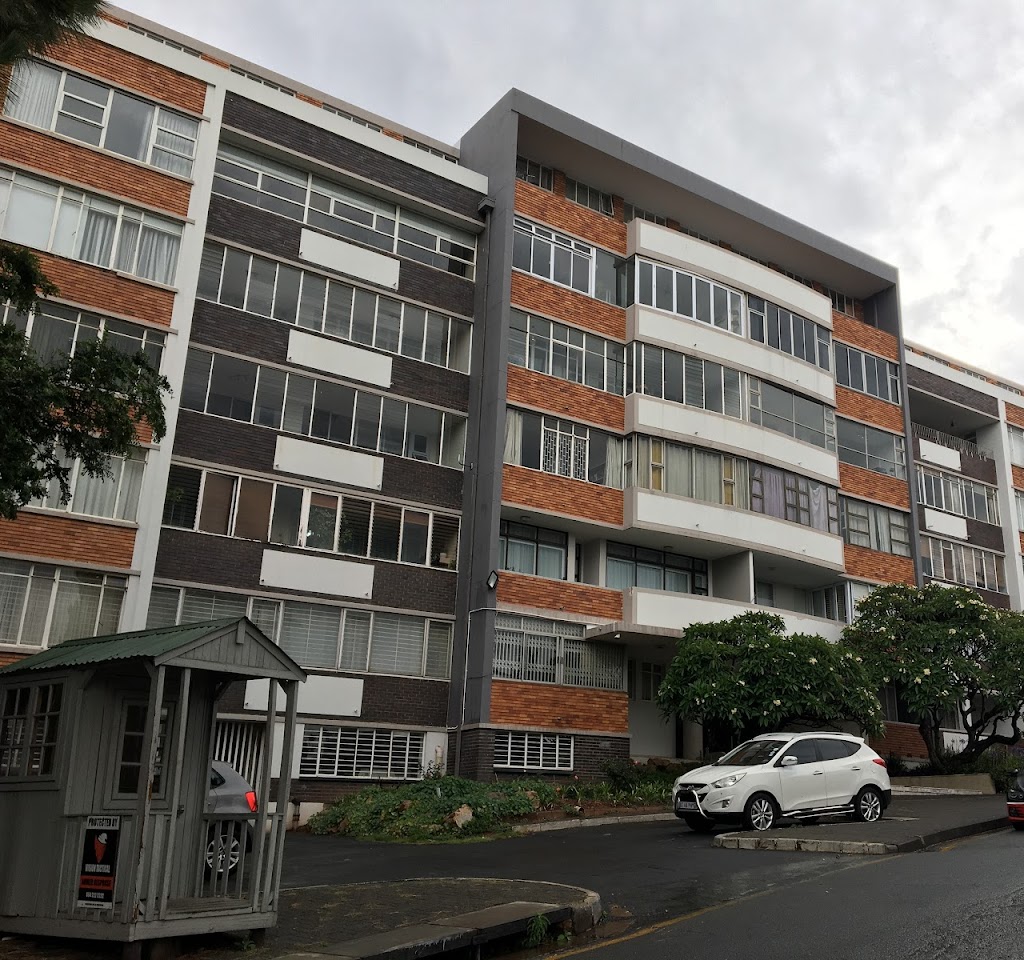
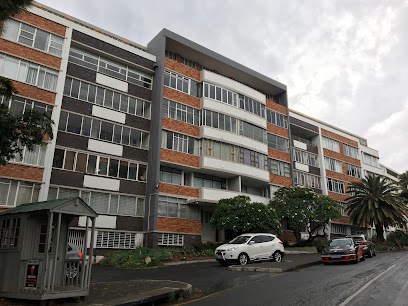
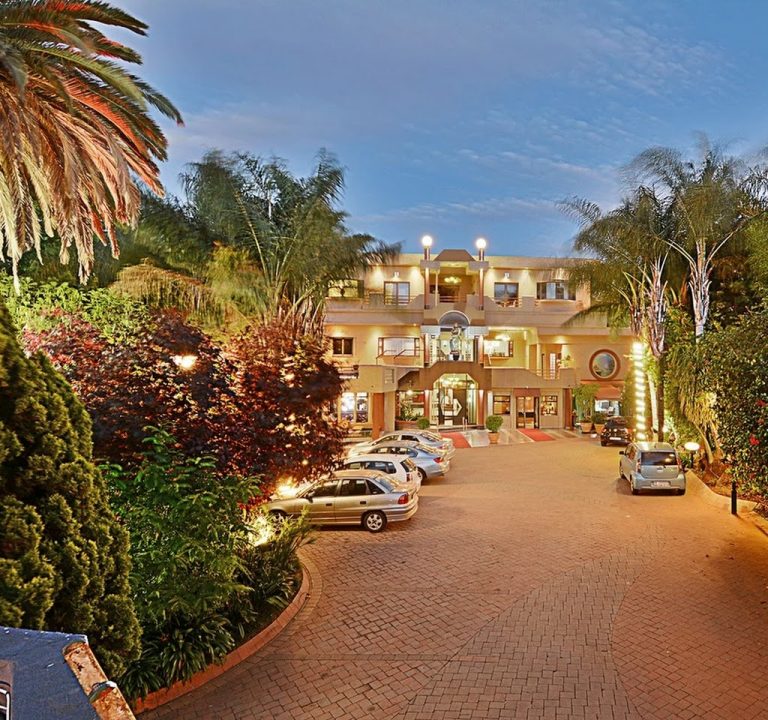
Johannesburg, or Jo’burg as many visitors call it, offers a mix of refined city living, vibrant neighbourhoods and rich history. When planning a stay, consider the character of different areas to match your interests and budget. Central districts tend to offer easy access to culture and dining, while northern suburbs provide more modern conveniences and quieter residential streets. A stay at a guest house such as Interlaken116 Guesthouse can be a comfortable doorway to both the city’s energy and its quieter corners, with the chance to enjoy a more intimate, homely atmosphere alongside convenient transport links.
Where to stay and what to look for when booking
Key areas to consider include:
- Rosebank and Melrose: well connected by Gautrain stations and offering a mix of boutique stays, shopping and dining.
- Braamfontein: central, lively and close to theatres, galleries and the city’s creative hubs.
- Newtown and Maboneng: urban stays with easy access to markets, street life and contemporary restaurants.
- Sandton and vicinity: a more polished, business-friendly base with shopping and easy highway access.
- Soweto and surrounding townships: for culture-driven itineraries and guided tours that illuminate South Africa’s history.
When booking, look for clear cancellation policies, flexible room options and transparent information about security and access. Many guest houses in Johannesburg emphasise hospitality and practical touches such as secure parking, on-site dining or breakfast options, and easy access to public transport or ride-hailing services. If staying in a residential area, ensure you understand access times and any quiet hours, and verify that the property has good lighting and reliable security measures.
Typical amenities to expect
Common features across well-regarded accommodation include comfortable beds, private or en-suite bathrooms, reliable Wi‑Fi, and a friendly, knowledgeable host or manager who can offer local tips. For longer stays, look for practicalities such as a kitchenette or a shared kitchen, laundry facilities, and storage space for luggage. A pleasant breakfast service, whether continental or cooked, can help you start busy South African days, while a comfortable seating area or garden adds a welcome touch after sightseeing. If you’re visiting during the heat of summer or the cooler winter months, consider a property with fans or heaters and good ventilation.
Transport and getting around
Johannesburg operates a mix of public transport and private options. The Gautrain offers fast links to Pretoria and the northern suburbs, while local taxis and ride-hailing apps are widely used within the city. If you value independence, choose a guest house with parking or easy access to main roads and public transport stops. In central districts, many attractions are reachable on foot or by short taxi rides, but for day trips to nearby regions such as the Cradle of Humankind or the Magaliesberg, you’ll benefit from a hire car or guided tour arrangements.
Best time to visit and practical planning tips
Johannesburg has a mild climate with wet summers and cooler winters. The dry season (May to September) is popular for outdoor activities and safaris in nearby regions, with pleasant days and cool evenings. If you plan to visit markets, galleries and gardens, spring and autumn offer comfortable temperatures for wandering. Rain can be sudden, even outside the peak wet season, so packing a light waterproof layer is sensible year-round.
Practical tips to enhance your stay
- Budget thoughtfully: accommodation ranges from cosy guest houses to stylish boutique hotels. Booking in advance for peak periods can help secure better room options and rates.
- Safety and awareness: stick to well-lit areas after dark, use reputable transport, and keep valuables secure. Hosts and staff are often a great source of local safety tips for your chosen neighbourhood.
- Food and dining: Johannesburg’s dining scene spans modern eateries, traditional South African bistros and international cuisine. If a restaurant name is unfamiliar, ask your host for local recommendations—many venues offer vibrant atmospheres without steep prices.
- Experiences and tours: guided heritage tours, township visits and art neighbourhood explorations are common and enlightening ways to understand the city beyond its skyline. Your host can often arrange reputable options with translations or tailored itineraries.
- What to pack: comfortable walking shoes, a light jacket for breezy evenings, sun protection, and a portable charger for long days out exploring city streets and markets.
In summary, Johannesburg blends cosmopolitan undertakings with historic charm. Whether you choose a characterful guest house such as Interlaken116 or a central boutique stay, your planning should prioritise neighbourhood character, transport access, and practical amenities. With thoughtful preparation, your stay can balance cultural immersion with easy access to top attractions, vibrant dining, and the everyday rhythms of one of South Africa’s most dynamic cities.