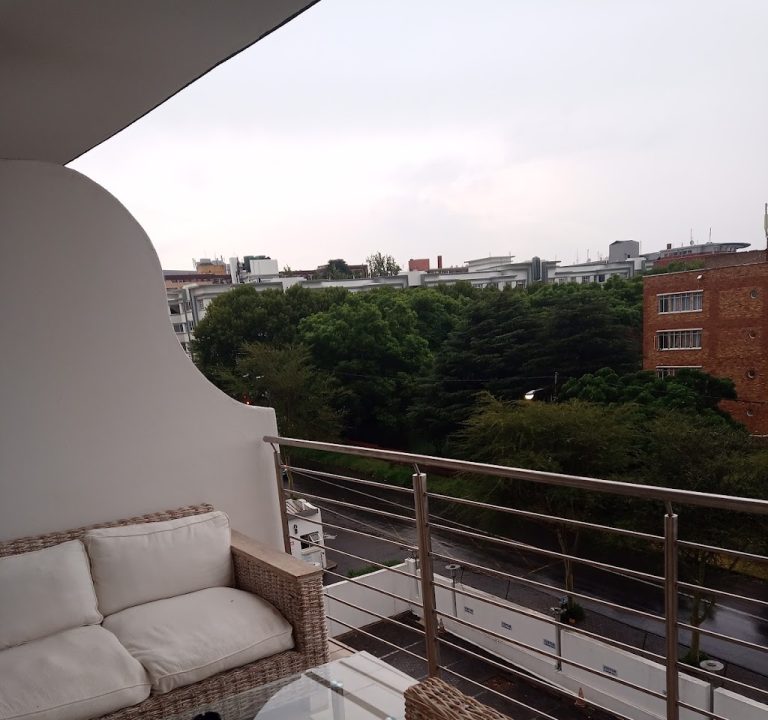
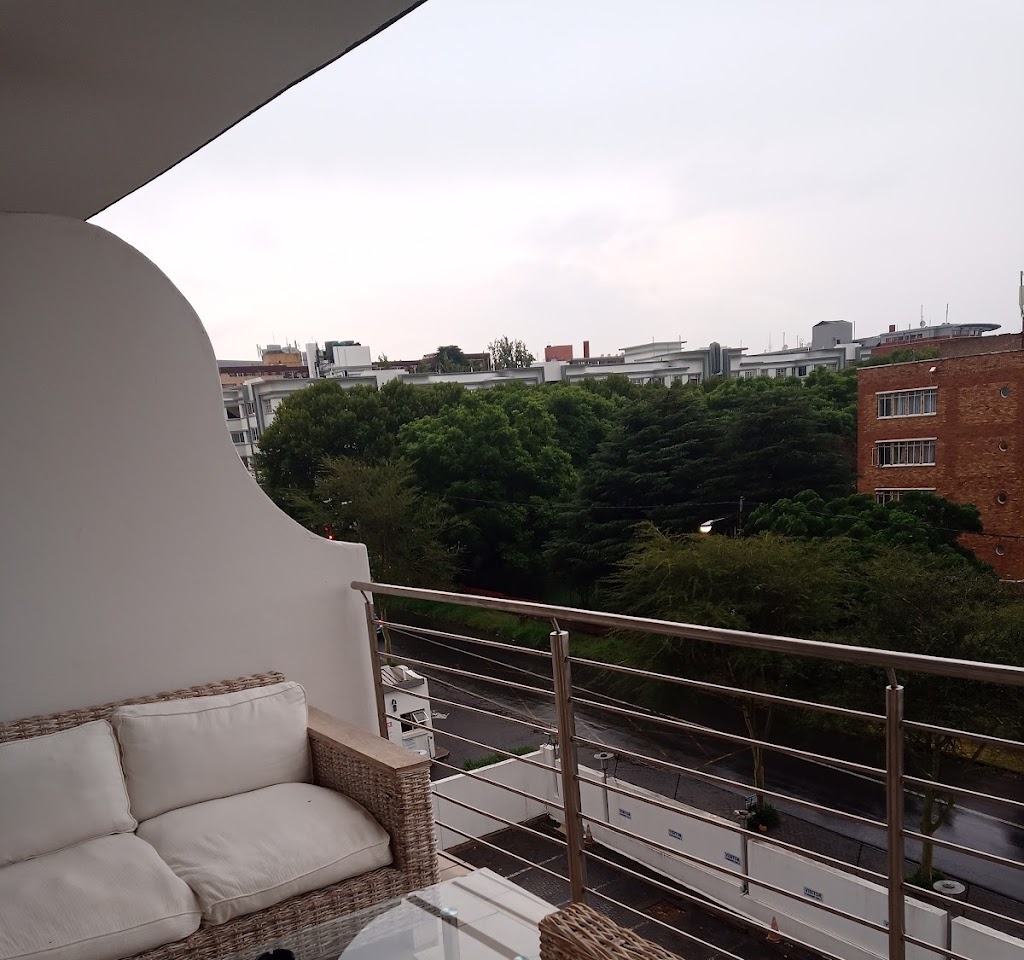
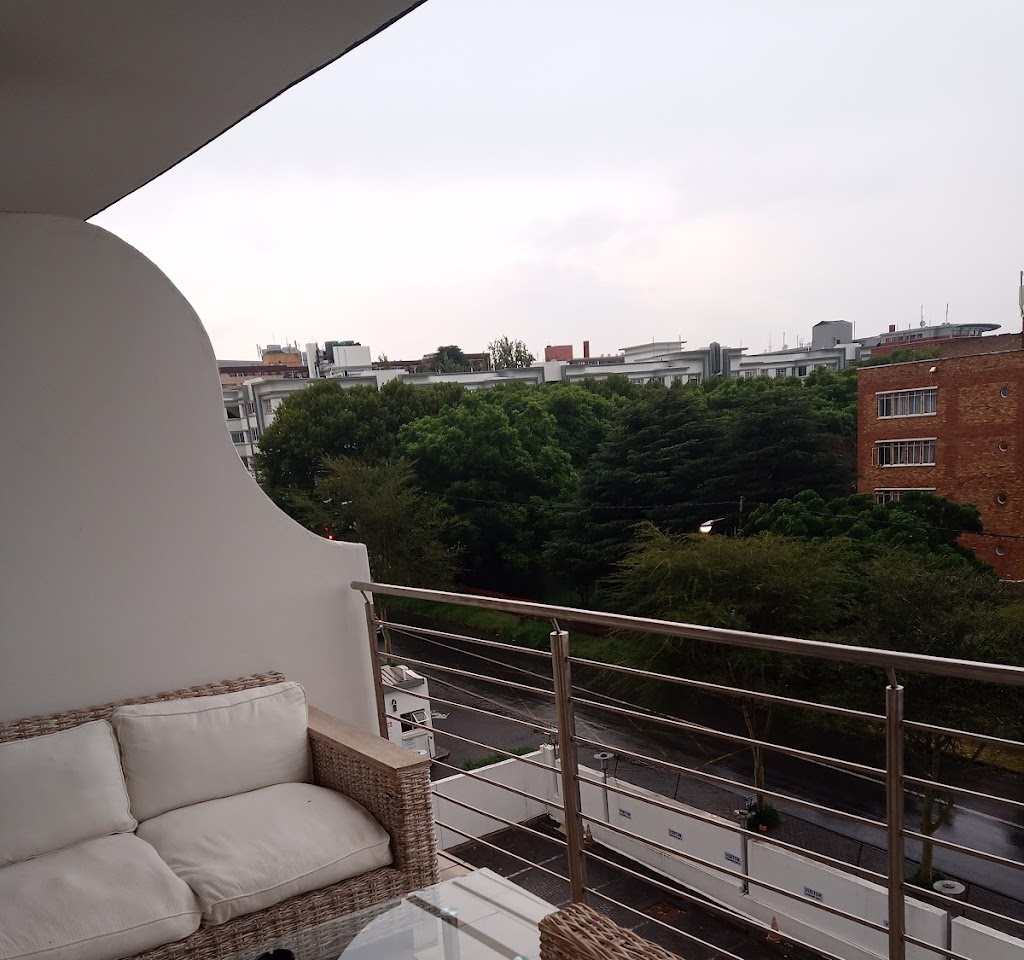
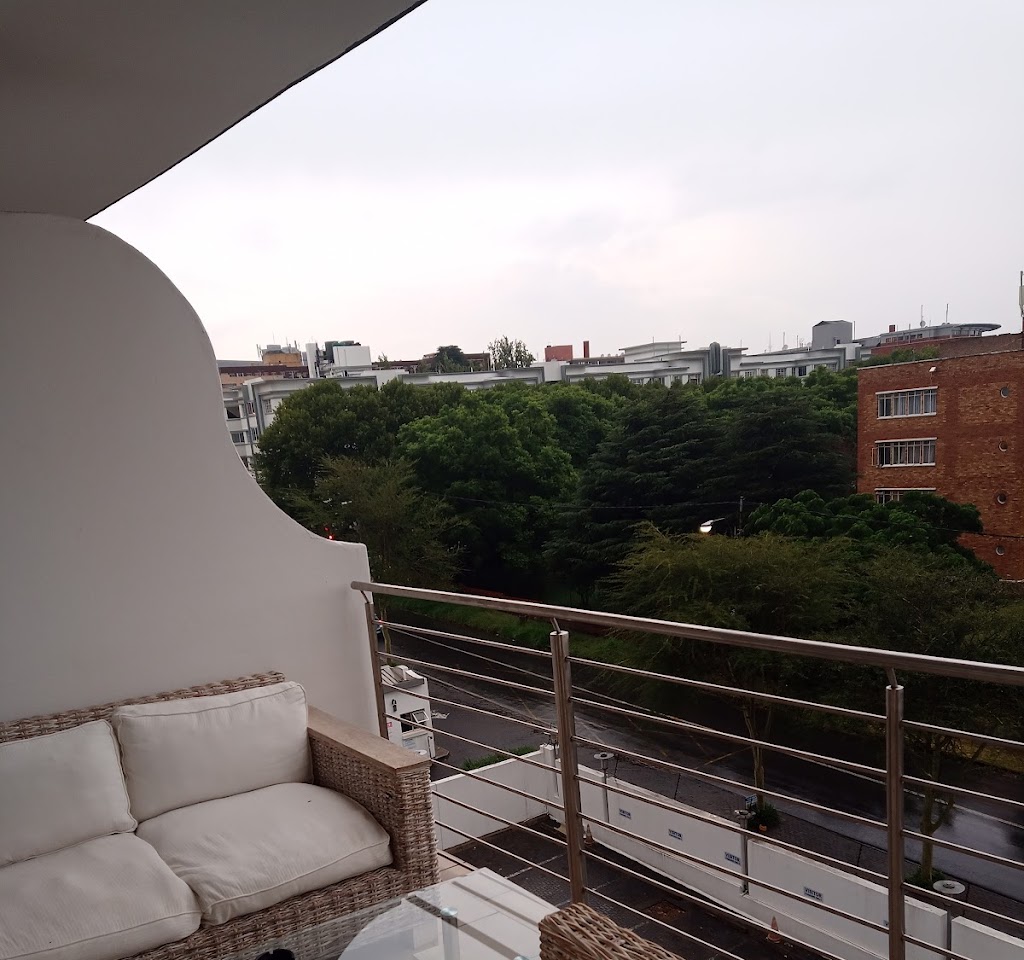
Johannesburg: Where to stay and what to do in Gauteng’s vibrant heartbeat
Johannesburg, or Jo’burg as locals sometimes say, is a dynamic gateway to South Africa’s history, culture and natural beauty. A stay in the city offers a mix of stylish hotels, boutique guesthouses and modern apartments, with neighbourhoods that each tell a different story. When planning a visit, consider how you want to balance urban exploration with ease of access to sights, dining and day trips. A well-chosen base can make a big difference to your experience.
Areas to consider when booking a stay
- Sandton: If you favour a polished, cosmopolitan vibe with excellent shopping and convenient rail links, Sandton is a popular choice. It’s well connected to the city centre and often offers high-end hotels and serviced apartments with contemporary amenities.
- Rosebank: A leafy, walkable district with a mix of boutique hotels, guesthouses and apartment hotels. It’s known for galleries, markets and a pedestrian-friendly boulevard, with easy access to the Gautrain station for trips to the city and beyond.
- Melville and Parkhurst: These areas feel more bohemian and laid-back, with independent cafés, restaurants and vintage shops. They’re ideal if you prefer a neighbourhood stay with a local flavour and a shorter stroll to lively street scenes.
- Maboneng Precinct and downtown (Johannesburg CBD): For a design-forward, urban experience, these districts offer modern hotels and stylish lofts, alongside art galleries, markets and entertainment venues. Plan your evenings with sensible security awareness and transportation in mind.
- Braamfontein and Newtown: Energetic and central, with proximity to theatres, music venues and museums. Choose accommodation that prioritises comfort, as a day-filled itinerary often includes long hours of exploring.
What to look for when booking
- Location relative to your planned activities: If you intend to explore the city centre or the north of Johannesburg, stay within a walkable or well-connected area to reduce reliance on cars at night.
- Transport access: Check proximity to Gautrain stations or major bus routes, and whether the property offers airport shuttle options or private transfers.
- Security and access: Ground-floor entries, well-lit common areas, secure parking or concierge services add peace of mind for travellers navigating a large city.
- Amenities: Look for reliable Wi‑Fi, a comfortable workspace if you’re mixing business with leisure, on-site dining options, and laundry facilities for longer stays.
- Room configuration: For families or groups, consider suites or multi-bedroom apartments with kitchen facilities to maximise space and flexibility.
- Flexibility and policies: Understand cancellation terms, deposit requirements and minimum-stay policies, especially during peak travel periods.
Typical amenities and what to expect
Many mid- to high-range options in Johannesburg offer stylish design, air conditioning, and in-room comforts such as flat-screen televisions and tea-and-coffee facilities. A growing number of properties provide generous breakfast options, some with a curated selection of local dishes. Concierge or front-desk services are common, assisting with recommendations for dining, culture, and day trips. For longer stays, self-catering apartments with kitchenettes or full kitchens provide extra convenience and a home-from-home feel.
Transport and getting around
Johannesburg is best navigated with a sensible plan for getting from A to B. The city is linked by a national railway corridor, with the Gautrain connecting Johannesburg and Pretoria to the OR Tambo and Lanseria airports. Within urban areas, Uber, Bolt and other ride-hailing services are widely available, and many hotels arrange trusted transfers or partnerships with local providers. If you’re renting a car, consider secure parking options and be mindful of peak-hour traffic in the central corridors.
Best time to visit
South Africa’s climate is varied, but Johannesburg generally enjoys a temperate climate. The dry winter months (May to August) are comfortable for sightseeing, with cooler evenings and occasional misty mornings. Spring (September to November) and autumn (March to May) bring mild temperatures and a pleasant atmosphere for city strolls and outdoor markets. Summer (December to February) can be warm and wet, with occasional thunderstorms, but it’s also when parks, gardens and outdoor venues flourish. Plan ahead for events or exhibitions that might draw crowds during peak seasons.
What to do: attractions and experiences (in general terms)
Johannesburg offers a layered mix of cultural experience, history and modern entertainment. Across the city, you’ll find world-class museums and galleries addressing South Africa’s complex past and vibrant present. Nature and outdoor spaces provide a counterpoint to urban life, with opportunities for short day trips to nearby regions offering wildlife encounters or wine routes. Culinary scenes range from contemporary urban eateries to traditional braai (barbecue) experiences and bustling markets where you can sample a range of local flavours. For families and curious travellers, guided neighbourhood walks, markets, and design-and-architecture tours reveal the city’s creative heartbeat and resilience.
Practical tips for a smooth stay
- Plan your days around sunrise or late afternoon for outdoor activities to avoid peak heat and traffic.
- Book accommodations with reliable Wi‑Fi, comfortable workspaces and easy access to dining options, especially if you’re combining business with leisure.
- Use secure, well-regarded transport options when moving between districts, and avoid isolated areas after dark.
- Check the neighbourhood’s safety profile and seek advice from hotel staff about the best routes and timing for evening outings.
- Respect local customs and be mindful of the city’s history and diversity, while exploring museums, markets and cultural centres.
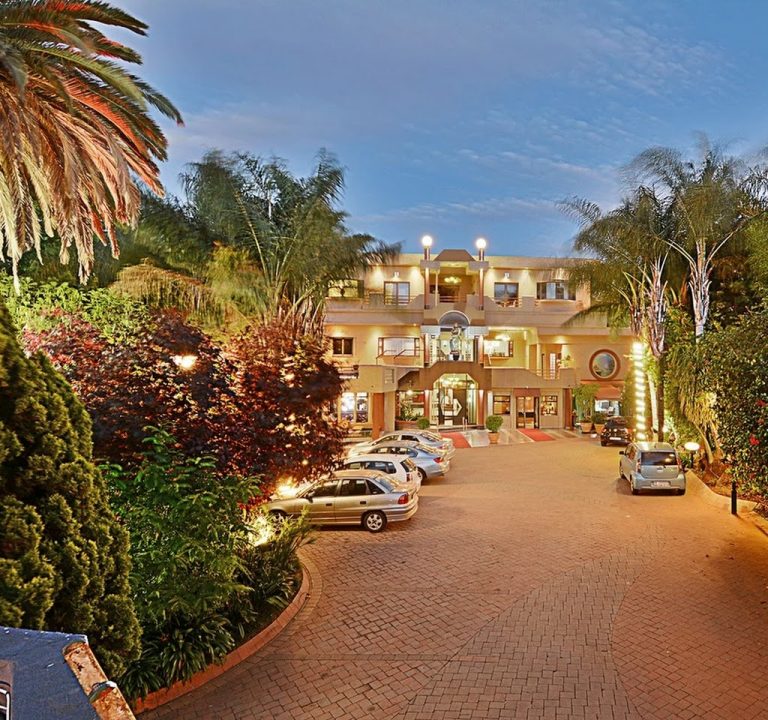
Splice Riviera, a name occasionally associated with hospitality in Gauteng, reflects the broader aim of comfortable, well-situated stays that place guests near essential sights and vibrant streets. For current options, consider online hotel guides and official tourism resources, which offer up-to-date listings, maps and practical planning tips. If you are planning a stay that blends modern comfort with authentic Jo’burg energy, you’ll find the city’s hotels and guesthouses well equipped to be your home base for exploring Gauteng’s biggest city.