Durban: Accommodation, Attractions and How to Plan Your Stay
Durban, on KwaZulu-Natal’s coast, offers a warm welcome, great beaches, and a mix of heritage and modern experiences. When planning a stay, it helps to think about which neighbourhoods match your travel style—whether you want city convenience, a relaxed beach vibe, or easy access to outdoor adventures. Durban’s accommodation ranges from cosy B&Bs to well-appointed modern hotels, all with the backdrop of South Africa’s Indian Ocean sunshine.
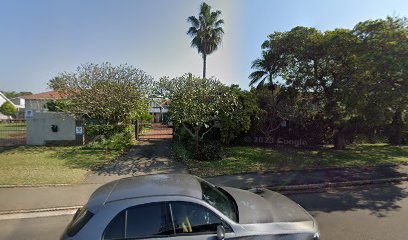
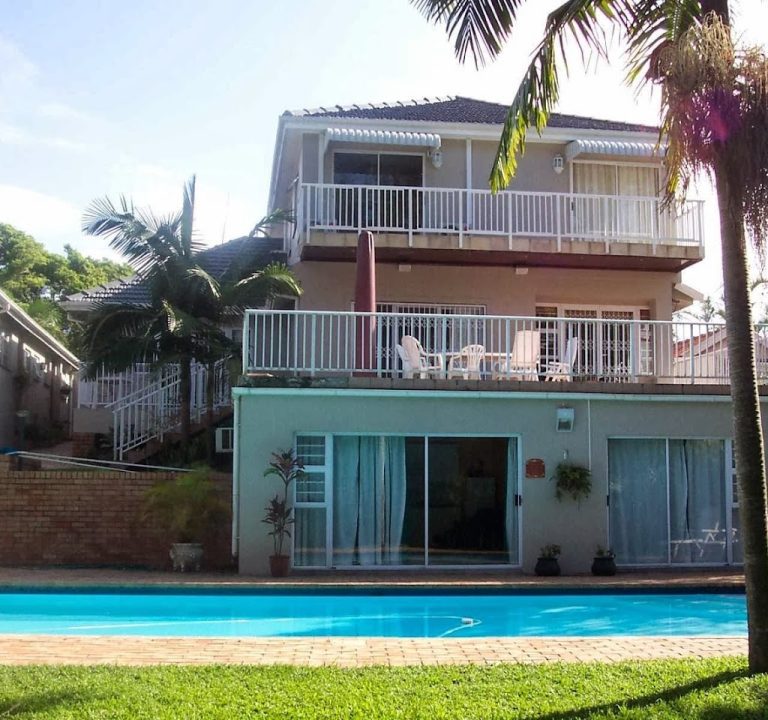
If you’re seeking a traditional bed-and-breakfast experience, Ikhwezi Bed and Breakfast is a notable option to consider. Places like this often combine comfortable rooms with personalised hospitality, helpful local tips, and a sense of neighbourhood character that larger hotels can struggle to match.
Areas to consider
- The beachfront and Golden Mile: This stretch is ideal for visitors who want to be close to the sea, promenades, and easy access to the city’s attractions. Expect a mix of hotels, guesthouses, and serviced apartments with convenient strolls to cafés and markets.
- Umhlanga and the north coast: For a more resort-like feel with upmarket dining and pristine beaches, this area offers stylish lodgings and a slower pace while still being connected to central Durban.
- Grey Street and Musgrave/Caversham areas: These parts of the city offer choice guesthouses and mid-range hotels, with proximity to universities, shops, and medical facilities, plus a short drive to the harbour and coastal venues.
- Berea and Glenwood: Known for leafy streets and lively dining lanes, these neighbourhoods are popular with visitors who prefer walkable access to independent restaurants, clubs, and cultural sites.
- Durban North and nearby inland routes: If you don’t mind a bit of a drive to the beach, you can find quieter stays with garden settings, offering good value and easy routes to inland attractions.
What to look for when booking
- Location and access: Is the property within easy reach of the places you want to visit? Check distance to the promenade, main attractions, and the transport options you plan to use.
- Parking and security: If you’re hiring a car, confirm on-site parking. For city stays, secure access and good lighting are important.
- Breakfast and amenities: A traditional B&B may include a home-style breakfast and common areas, while hotels often offer 24-hour reception, room service, and on-site dining. Look for wifi reliability, air conditioning, and private en-suite facilities.
- Transport links: Proximity to MyCiTi bus stops, taxi services, or railway stations can make a big difference to how you spend your days.
- Reviews and hosts: Read recent guest experiences to gauge hospitality, cleanliness, and the level of local guidance you’ll receive.
Typical amenities you might encounter
- Comfortable rooms with en-suite bathrooms and fans or air conditioning
- Tea and coffee facilities and a small fridge in rooms
- Free Wi-Fi across public spaces and rooms
- Secure parking, including off-street options
- Comfortable shared spaces such as lounges, courtyards, or verandas
- Some properties offer guided local experiences, such as short city tours or coastal walks
What to plan around
- Best time to visit: Durban’s climate is warm for most of the year, with a humid subtropical feel. The summer (November to February) brings plenty of sunshine and occasional showers; winter (June to August) is milder and great for outdoor activities without the intense heat. Shoulder seasons can be ideal for those seeking quieter beaches and lower costs.
- Beaches and activities: A stay in Durban often centers on the coast. Expect long sandy beaches, tidal pools, and a variety of water-based activities. Inland attractions include nature reserves, hill climbs with city views, and cultural precincts with markets and galleries.
- Eating out: Durban’s dining scene reflects its multicultural heritage. You’ll find a wide range of flavours—from seafood and curry-rich dishes to modern bistros and casual cafés—across coastal strips and neighbourhoods.
- Day trips and experiences: If you have a car or prefer guided transport, consider nearby attractions such as nature trails, botanical spaces, and family-friendly venues. Community markets and street food hubs offer a chance to sample local produce and crafts.
Practical tips for planning
- Book ahead for peak seasons and major events, especially along the beachfront. Early booking often secures better room choices and rates.
- Confirm what’s included in the rate—some B&Bs offer breakfast only, while hotels may include meals or spa access in packages.
- Bring adaptable clothing for warm days and cooler evenings near the coast, and a light rain layer if visiting during the rainy season.
- When in doubt, ask your host or front desk for local tips on safe walks, best sunset viewpoints, and crowd-free beaches.
- Respect local customs and safety guidelines, particularly in busy markets or late-evening venues.
Durban’s blend of coastal leisure, vibrant neighbourhoods, and accessible transport makes it a versatile destination for short breaks or longer stays. Whether you choose a snug B&B such as Ikhwezi or a contemporary hotel on the promenade, you’ll find a welcoming base from which to explore the city’s beaches, parks, and culinary scene. For planning inspiration and practical guidance, you can also consult Durban’s official tourism resources, which outline neighbourhood highlights, transport options, and seasonal happenings to help you craft a balanced itinerary.