Durban: Accommodation, attractions and planning your stay in KwaZulu-Natal
Durban is a vibrant coastal city where subtropical beaches meet a lively culinary scene, rich Zulu culture, and easy access to the inland hills and game reserves of KwaZulu‑Natal. When planning a stay, think about the vibe you want: sun-kissed beachfront tranquillity, convenient access to the city’s attractions, or a quieter residential base with quick connections to the surrounding scenery. Durban offers a range of accommodation options from guest houses and boutique hotels to self‑catering apartments and coastal lodges, many with easy access to the city’s beaches and transport links.
Popular areas to consider include the Golden Mile and central beachfront for those who want immediate waves of activity, the newer residential hubs around Umhlanga and La Lucia for a calmer, more upmarket feel with beautiful sea views, and the leafy suburbs a short drive inland for a quieter stay with easy access to the city’s cultural spots. If you’re visiting for business or sporting events, staying closer to the central business district or the convention precinct can reduce travel time and stress. For families or quieter evenings, the northern beaches and neighbouring suburbs offer more space and quieter streets while still being a short Uber or taxi ride from the city centre.
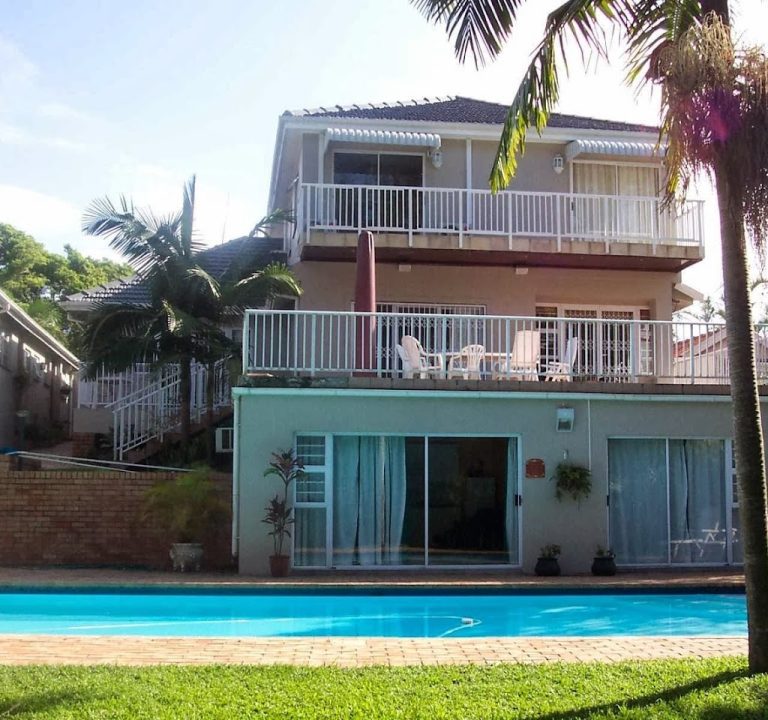
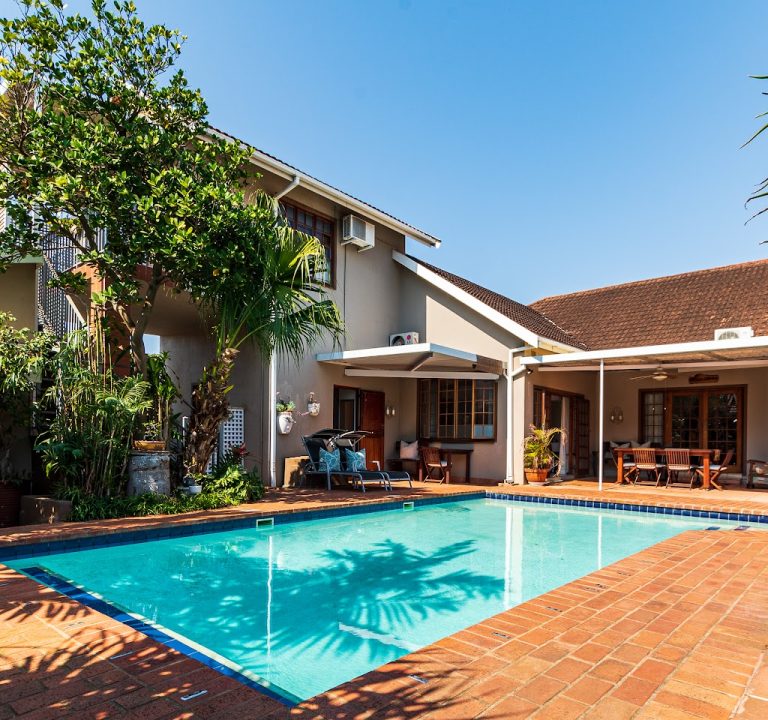
When choosing accommodation, consider a few practical hallmarks. Look for properties with secure access and on‑site parking if you plan to hire a car. If you prefer public transport, check proximity to main routes and bus services, including any hotel shuttle options or easy access to taxi-ranks. Amenities that can sweeten a Durban stay include air conditioning for the humid months, reliable hot water, close proximity to beaches, a well-equipped kitchen or kitchenette, and good wi‑fi access for planning days out. A reflective guesthouse or boutique hotel often provides personalised tips about local experiences, a larger property terrace or garden, and a welcoming atmosphere that can make the stay feel like a home away from home.
Durban is a city of flavour, and your choice of meals is part of the adventure. Many properties offer breakfast as part of the stay, with options ranging from continental to hearty South African favourites. For other meals, you’ll find a spectrum of dining: from casual seaside cafés near the beachfront to contemporary fusion restaurants in leafy suburbs. In recent years, the city has become known for its diverse dining scene, with eateries that combine coastal ingredients with international influences. When planning day trips, you’ll also find a handful of markets and street food hubs where you can sample regional produce and crafts, often in a family‑friendly atmosphere.
Transport in Durban is workable for most visitors. A car gives you flexibility to explore beyond the city, including the nearby northern coast, the Valley of a Thousand Hills, or the rolling hills inland. If you prefer not to drive, the MyCiti bus system and private transfer services offer routes between key areas, including the beachfront and the central business district. Taxis and ride‑hailing apps provide a convenient way to move between a hotel or guest house and local attractions, restaurants, or beaches, particularly in the evenings. When budgeting for transport, plan a mix of short local trips on busy evenings and longer drives on mornings when traffic is lighter. The coastal route along the Golden Mile is typically lively but tourist‑friendly, with plenty of opportunities for short walks and photo stops.
The best time to visit Durban depends on your preference for heat, humidity, and rainfall. The summer months (roughly October to March) bring warm seas and lively beach culture, but they can be humid and occasionally stormy. Winter (May to August) is typically dry and mild, a comfortable time for exploring the city’s museums, markets, and nearby nature reserves without the crowds. For those who enjoy the outdoors, the shoulder seasons can offer pleasant weather for outdoor walks, coastal trails, and scenic drives. Regardless of the season, stay hydrated, apply sun protection, and be mindful of sea conditions if you plan to swim in the warmer months.
Practical tips for a smooth stay in Durban:
- Book accommodation with clear tea and coffee facilities, reliable wi‑fi, and good security. A guest house with a personable host can offer local recommendations and a better sense of neighbourhood dynamics.
- Check access to the beach and whether there are restrictions or seasonal lifeguard availability if you plan regular swims.
- Pack comfortable walking shoes for harbour walks, markets, and nature trails. A light rain jacket is handy for the subtropical climate during summer showers.
- Research day trips in advance, including coastal scenery and nearby nature reserves, to balance beach time with cultural or natural excursions.
- Be mindful of peak traffic times when planning routes between the beachfront and inland suburbs to avoid delays.
Durban’s blend of coast, culture, and cuisine makes it a rewarding base for exploring KwaZulu‑Natal. A well‑chosen home base, paired with thoughtful planning for transport and activities, will help you experience both the city’s energetic pulse and its calmer coastal hideaways. For more ideas and planning inspiration, you can visit official tourism pages or local accommodation websites that offer practical guides and suggested itineraries tailored to your dates and interests.