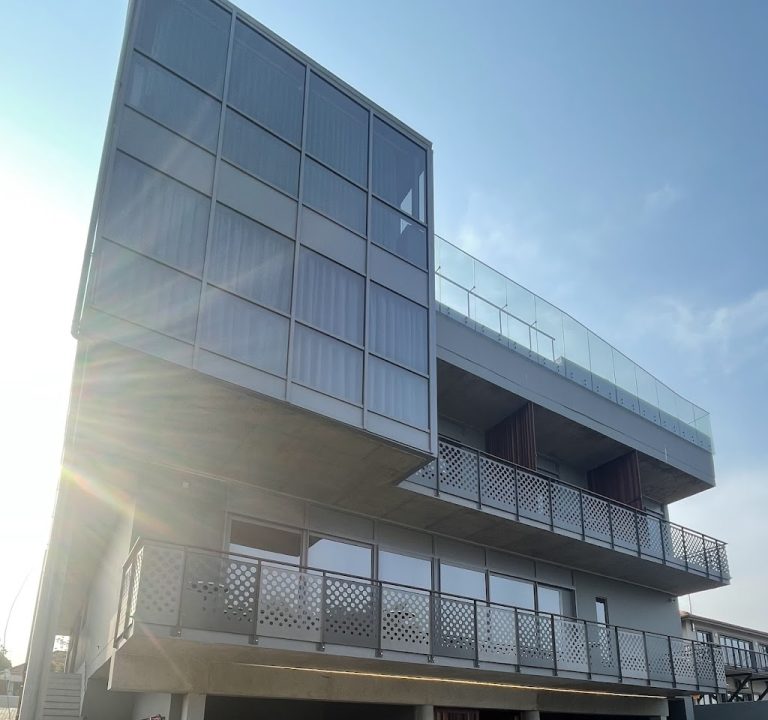
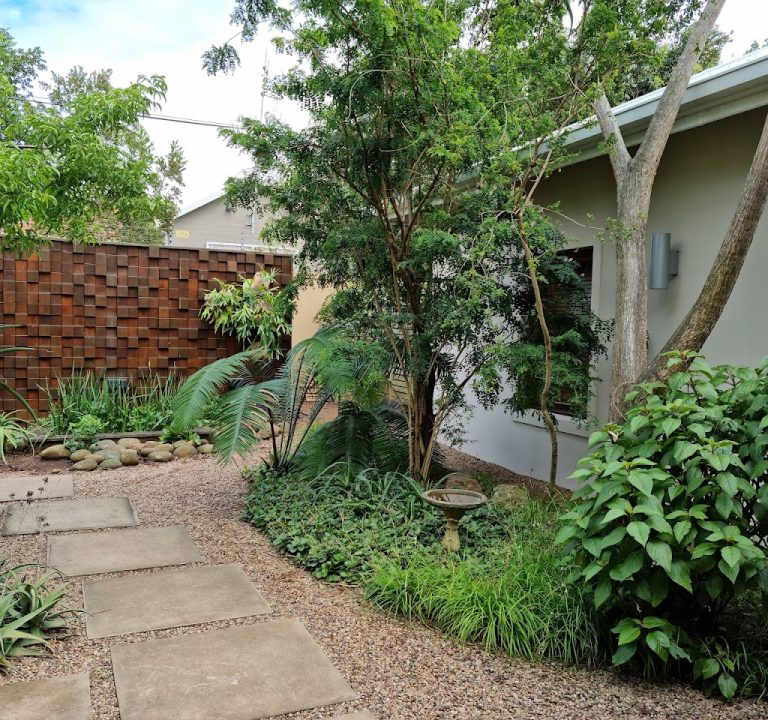
Durban: a guide to stays, neighbourhoods and a flavourful palette of things to do
Durban, perched on the eastern coast of KwaZulu-Natal, offers a warm welcome and a diverse mix of accommodation to suit a range of travellers. From light-filled guesthouses by the beachfront to modern hotels in bustling city wards, the city makes it easy to balance a restful base with easy access to sights, eateries and a rich tapestry of experiences. When planning a stay, think about your pace, preferred neighbourhoods and how you plan to move around—Durban is well served by roads, public transport and ride-hailing options, but some areas are more convenient for foot-friendly exploring than others.
Neighbourhoods to consider include the Golden Mile and Musgrave for distance-to-the-sea, family-friendly beaches and a stand-out dining scene, while Morningside, Berea and Umhlanga offer a mix of boutique hotels and guesthouses set within leafy streets close to shops and cafes. For a calmer stay with residential character, consider guesthouse options in the Glenwood, Windermere or Glenmore areas, where a personal touch and breakfast-friendly routines can feel very comfortable after a day’s sightseeing. For a coastal retreat with easy access to the harbour and uShaka Marine World, head to the beachfront precincts near the central city or the lesser-known bays beyond the Golden Mile.
When choosing accommodation, look for a few practical features that can make a big difference over a stay of several days. A reliable Wi‑Fi connection is essential for planning day trips and keeping in touch with family back home. En-suite bathrooms, air conditioning or climate control, and good drying facilities for beachwear are practical wins in Durban’s warm climate. If you prefer a social or intimate vibe, a guesthouse with a shared lounge or courtyard can offer a friendly atmosphere without sacrificing privacy. For families or longer stays, self-catering studios or apartments can provide flexibility and value. If you’re mindful of accessibility, check on room layouts, elevator access and parking provisions as a priority. And if you value a morning routine, seek out properties that include a cooked breakfast or offer in-room facilities to prepare simple meals.
Transport in Durban is straightforward but varies by area. The beachfront precinct is walkable in places, with plenty of cafes, shops and bars within easy reach. For broader exploration—into the city centre, the outlying townships or the nearby natural attractions—having access to a car is convenient. If you prefer not to drive, several areas offer ride-hailing options, and some hotels provide shuttle services to popular attractions or the airport. When booking, check whether parking is included or available nearby, and ask about late check-in procedures if your flights arrive after hours. For those keen on public transport, Durban’s local minibus taxis and bus routes can be economical, but services can vary in frequency; a short taxi ride can save time and reduce hassle, especially with luggage or children in tow.
Peak seasons for Durban tend to follow the warmth of the coast. The city enjoys its best beach weather in the summer months, but late spring and early autumn can offer pleasant temperatures and a quieter atmosphere. If your visit centers on food markets, cultural events or city walks, consider shoulder-season dates to avoid the busiest crowds while still enjoying good weather. Remember that Durban’s tropical climate can bring sudden showers, so packing a light rain layer or compact umbrella is sensible for daily outings. A light scarf or shawl can also come in handy for beaches in the early morning or late evening breezes near the sea.
Beyond the accommodation, there are many visitor-friendly experiences to weave into your stay. The coastline invites long strolls along the promenade, with opportunities to dip into natural lagoons or watch the surfers carve the waves. The harbour and nearby promenades offer glimpses of maritime activity, and museums and cultural centres can provide deeper context about the region’s history and people. Durban’s restaurant scene tends to fuse local flavours with international influences, so expect spice-rich curries, fresh seafood, and contemporary dining concepts that highlight the city’s coastal heritage. For a flavourful evening, consider restaurants that emphasise seasonal produce and Durban’s signature seafood staples, paired with interiors that reflect the city’s vibrant energy and warm hospitality.
When you’re ready to book, Eagle Rock Guest House stands as a representative example of the kinds of guesthouse options you might encounter in the area. It signals the approachable, personalised service often found in Durban’s smaller lodging choices, where hosts can share local tips and tailor recommendations to your itinerary. If you’d like more ideas or up-to-date details, consult reputable travel guides or the official South African tourism portals for Durban and KwaZulu-Natal’s attractions and dining scenes. A well-chosen base, combined with a day-by-day plan that blends beaches, parks, markets and restaurants, can make for a memorable Durban stay that captures the warmth of the region without sacrificing convenience or comfort.
- Tip: book accommodation with flexible cancellation policies, especially if your plans may shift with weather or events.
- Tip: aim for rooms with a balcony or terrace for a restful morning or sunset view over the coast.
- Tip: check proximity to public transport or parking options to minimise travel time during your stay.