Durban: A Guide to Staying Well and Exploring KwaZulu-Natal’s Coastal City
Durban’s radiant coastline, subtropical climate and vibrant cultural mix make it a compelling destination for a relaxed beach break or a lively urban escape. When planning your stay, it’s helpful to think about where you’d like to base yourself, what type of accommodation suits your style, and which experiences you want to weave into your days. Durban offers a range of guesthouses, boutique hotels and family-friendly lodges that suit different budgets and travel preferences, including charming options such as Chez Paddy, a well regarded guest house with a warm atmosphere and convenient access to the city’s highlights. Visit their site at http://chezpaddy.co.za/ for more details.
Durban’s central hub is a good starting point for first‑time visitors. The city centre gives quick access to historic architecture, markets and a growing food scene, while the renowned beachfront stretches for kilometres and delivers easy seaside strolls, surf and sunset views. If you prefer a more laid‑back vibe with coastal charm, consider staying in the upmarket neighbourhoods along the Golden Mile or the trendy beachfront precincts, where many guesthouses and small hotels are nestled within walking distance of cafés, bars and lunch spots.
Areas to consider when choosing accommodation:
- Umhlanga and the northern suburbs: a more cosmopolitan feel, wide beaches and a range of modern guesthouses and boutique stays.
- Durban North and the “Avenue of the Moon” belt: quieter residential areas with easy access to beaches and local eateries.
- Centre and Berea: convenient for culture, markets and proximity to the city’s main sights, though some streets are busier.
- The Golden Mile and Durban’s beachfront: ideal for first‑timers, family trips and travellers who prioritise sea views and easy access to promenade walks.
What to look for when booking:
- Size and character of the property: boutique guesthouses often offer personalised service, while larger lodges may provide more facilities on site.
- Bed arrangements and privacy: confirm whether rooms are en‑suite, the configuration of beds, and any shared spaces.
- Amenities: reliable air conditioning or fans for Durban’s humid months, secure parking if you’re hiring a car, complimentary breakfast, Wi‑Fi quality, and access to a patio or terrace.
- Location relative to your plans: proximity to the beach, markets, or the city’s business or sightseeing districts can save travel time.
- Transport links: check the ease of reaching major attractions by car or with public transport, and whether the property can assist with airport transfers or ride‑hailing options.
- Safety and guest reviews: look for recent feedback about security, noise levels, and the responsiveness of hosts.
Typical amenities you may encounter:
- Private bathrooms, comfortable seating areas, and well‑appointed bedrooms.
- Breakfast options, which can range from a light continental spread to a full cooked breakfast.
- Tea and coffee facilities in rooms, with some properties offering complimentary refreshments at communal spaces.
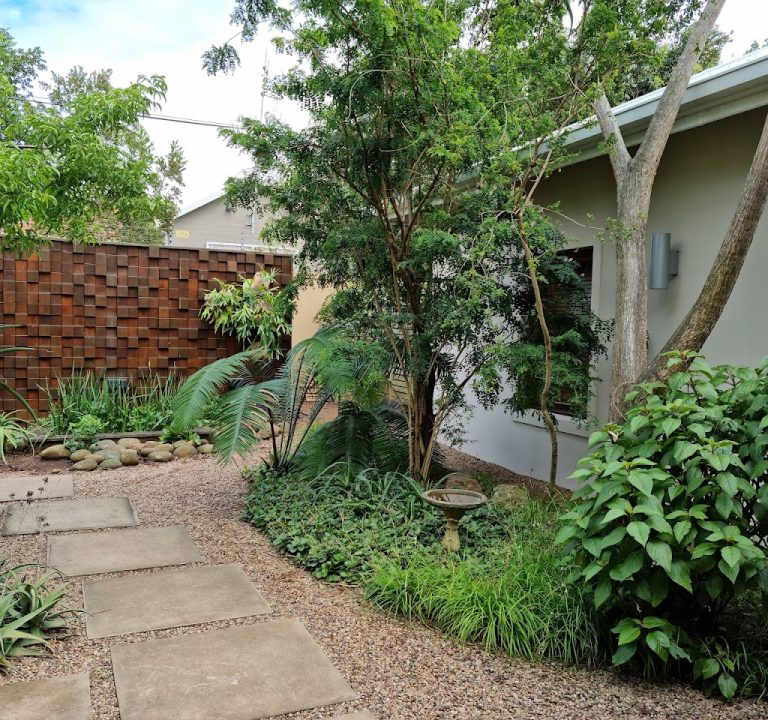
- Outdoor spaces such as patios, gardens or verandas where you can relax after a day of exploring.
- Free or paid parking, and sometimes bikes or beach gear for guest use.
- In‑room information packs with local maps and recommendations.
Transport considerations:
Durban’s well‑connected network includes major highways and a coastal road route that makes it easy to drive between neighbourhoods. If you’re relying on public transport, plan for longer travel times to move between beachfront areas and inland sights. Taxis and ride‑hailing services are widely available, and many guesthouses can arrange airport transfers or local day trips. If you’re staying near the beachfront, you’ll likely find it convenient to stroll along the promenade, pop into cafés and dip into the sea when conditions allow.
Best time to visit:
Durban enjoys a subtropical climate, with warm, humid summers and mild winters. The peak dry season from late spring to early autumn is popular for beach activities and outdoor dining. If you’re keen on outdoor markets, cultural festivals and wildlife encounters in nearby reserves, plan a stay that blends city days with day trips to the KwaZulu‑Natal coastline, the Valley of a Thousand Hills, or inland game reserves. Shoulder seasons can offer calmer attractions and more comfortable temperatures for sightseeing, often with fewer crowds.
Planning practical tips:
- Book accommodation with flexible cancellation policies where possible, especially if your plans may shift with weather or events.
- Check for on‑site snacks or meal arrangements, and whether there are nearby eateries offering diverse cuisines.
- Bring sun protection for day trips, a light rain layer for occasional showers, and comfortable walking shoes for markets and coastal walks.
- If you’re travelling by car, confirm parking arrangements and local parking rules to avoid surprises.
- Respect local customs and communities when visiting markets and cultural spaces; a friendly, patient approach goes a long way.
Durban’s mix of beaches, markets, mountains and modern urban life makes it a versatile destination for all kinds of travellers. A stay that blends comfortable accommodation with easy access to the coast, plus a few well‑chosen dining and activity options, will help you unlock the best of KwaZulu‑Natal’s coastal city. Whether you’re exploring the promenade at sunrise, tasting quick bites from vibrant eateries, or enjoying a relaxed afternoon at a guesthouse terrace, Durban invites you to slow down, soak in the warmth, and plan a rewarding itinerary. For a starting point, consider accommodation like Chez Paddy as a welcoming base to discover the city’s diverse attractions and neighbourhoods.